Power
Stable power architecture is a basic requirement in modern electronic design, whether the application is industrial control, embedded systems, communications hardware, mobile devices, or bench development. When engineers evaluate a power category page, they are usually looking for more than a simple product list—they need a clear view of the available building blocks, how those parts fit together, and what to consider before selecting a solution.
Power products typically span conversion, storage, connection, protection, and conditioning functions. In practice, that means the right choice depends on input source, output requirements, efficiency targets, available space, environmental conditions, and the level of integration needed in the final system.
How this category supports real-world power design
Power design is rarely limited to a single component. A complete solution may involve conversion stages, battery-related hardware, cabling, connectors, protection elements, and supporting components that help maintain reliable operation under changing loads or supply conditions.
This is why buyers often review adjacent product groups during selection. For example, a design that includes conversion modules may also require suitable connectors for safe integration, while systems exposed to abnormal current or voltage events may benefit from matching circuit protection components elsewhere in the build.
Key product groups commonly found in power systems
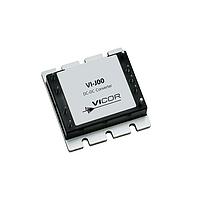
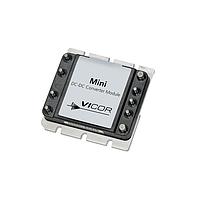
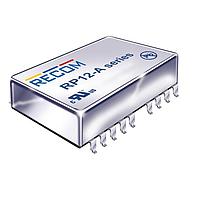
Within a broad power portfolio, one of the most important areas is power conversion. DC/DC converter modules are widely used when designers need to step voltage up or down, provide regulated output, or isolate sections of a circuit. They are especially relevant in distributed power architectures, industrial control cabinets, telecom equipment, and embedded electronics.
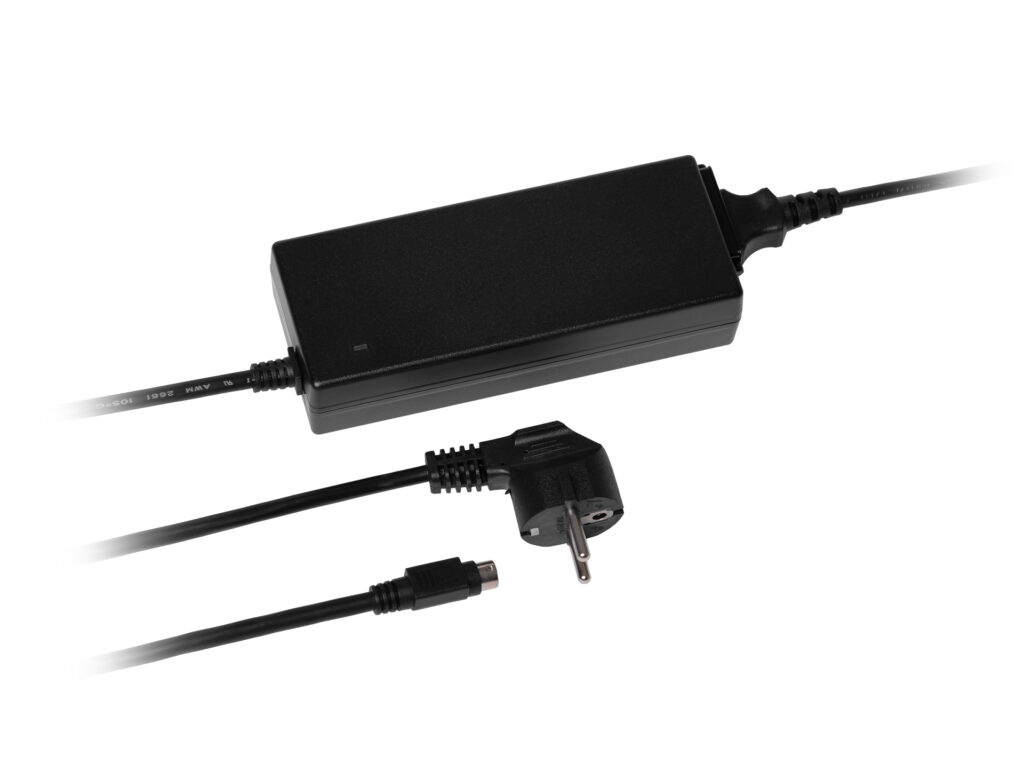
Energy storage and delivery are also central. Battery-related items, battery accessories, chargers, power cords, AC and DC power connectors, and supercapacitor-oriented products each serve different roles in how energy is supplied, transferred, and maintained. Depending on the project, these may support portable equipment, backup power, or power buffering in dynamic load conditions.
Featured examples from Advanced Energy and Adafruit
Several products in this category illustrate the range between engineered conversion modules and practical support hardware. On the conversion side, Advanced Energy offers module-based options such as the 1/4A24-N20-I10-F-M-H, 6A12-N4-I5-F-E, and 12C24-P250-I10-H-Z11 DC to DC Converter Modules. These types of modules are relevant when designers need compact, integrated solutions for regulated DC power in demanding systems.
Other examples, including the Advanced Energy 25C24-N60-I5-AQ-DA-H, 20A24-N30-I5-H-1, and 4LE24-P30-10PPM-DAF-BNC, reflect how converter module families can support different design priorities such as output class, integration style, or application-specific electrical architecture. Rather than comparing model codes in isolation, it is more useful to evaluate where the module sits in the system: front-end conversion, isolated rail generation, or subsystem-level power delivery.
For lower-power or development-oriented needs, Adafruit products such as the 2089 Battery Contacts, Clips and Holders and the 2591 External Plug-In Adapters represent another part of the ecosystem. These are not direct substitutes for converter modules, but they are valuable where prototyping, portable assemblies, educational hardware, or compact device integration calls for simple and accessible power interfacing.
What to consider when selecting power components
The first step is defining the source and load clearly. Engineers should confirm input voltage range, expected output voltage, current demand, regulation needs, startup behavior, and whether isolation is required. These factors determine whether a design is better served by a converter module, an external adapter, battery hardware, or a broader power subsystem built from multiple elements.
Mechanical and environmental constraints matter just as much as electrical ones. Board space, mounting method, cable routing, connector type, and thermal conditions can affect long-term reliability. In industrial and embedded projects, choosing power parts with the right form factor and integration approach can simplify wiring, reduce design risk, and improve maintainability over the product lifecycle.
Power category use cases across industries
In industrial automation, power modules often support control electronics, sensor networks, interface boards, and communication equipment that require stable DC rails. Portable and battery-assisted devices may instead emphasize charger compatibility, energy storage accessories, and compact interconnects that make field operation more practical.
In development labs and small production runs, the need is often flexibility. External plug-in adapters, battery holders, and modular conversion products help teams validate concepts quickly before moving to custom integration. For broader sourcing, some buyers also review related areas such as battery solutions or other components when building out a complete bill of materials.
Why category-level sourcing matters in B2B procurement
For purchasing teams and engineers, a well-structured power category helps shorten the path from requirement to shortlist. Instead of searching component by component, users can compare technologies across conversion, storage, connectivity, and support hardware in one place. That is especially useful for projects where the final architecture is still being refined.
A category view also makes it easier to identify the difference between a core power device and a supporting accessory. A DC/DC module, for example, addresses regulation and conversion, while battery contacts or external adapters help complete the power path around the end application. Understanding that distinction improves sourcing decisions and reduces mismatch during procurement.
Building a more reliable power chain
A dependable power path is usually the result of several well-matched parts rather than one standalone item. Converter modules, connectors, battery-related hardware, protection elements, and support accessories all contribute to system stability, serviceability, and electrical performance. The right combination depends on how the equipment is powered, how it is used, and what operating conditions it must withstand.
As you explore this Power category, focus on the role each product plays in the wider system. That approach makes it easier to narrow down suitable options, compare technologies realistically, and select components that align with both design requirements and purchasing priorities.
Get exclusive volume discounts, bulk pricing updates, and new product alerts delivered directly to your inbox.
By subscribing, you agree to our Terms of Service and Privacy Policy.
Direct access to our certified experts