Power Supplies
Stable power is a basic requirement in every electronic system, but the right supply architecture depends heavily on how and where equipment is used. In design labs, industrial panels, embedded devices, and commercial electronics, engineers often need to balance form factor, input source, output requirements, and integration constraints before selecting a suitable unit.
Power Supplies in this category cover a practical range of solutions for converting and delivering electrical power to devices and subsystems. Whether the application calls for compact external adapters, enclosed supply units, or broader platform-oriented power options, this category helps buyers compare relevant products from established manufacturers and choose with more confidence.
Where this category fits in a power system
A power supply is not just a utility component. It directly affects system reliability, electrical safety, thermal behavior, and long-term maintenance. In many projects, the supply stage also influences enclosure design, connector choice, and compliance planning, especially when equipment must operate continuously or in space-constrained installations.
This category sits within a broader power ecosystem that may also include power cords, charging hardware, and energy storage components. For buyers sourcing complete solutions, it is often useful to evaluate the supply together with downstream load requirements and upstream AC input conditions rather than treating it as an isolated part.
Common product types available in this range
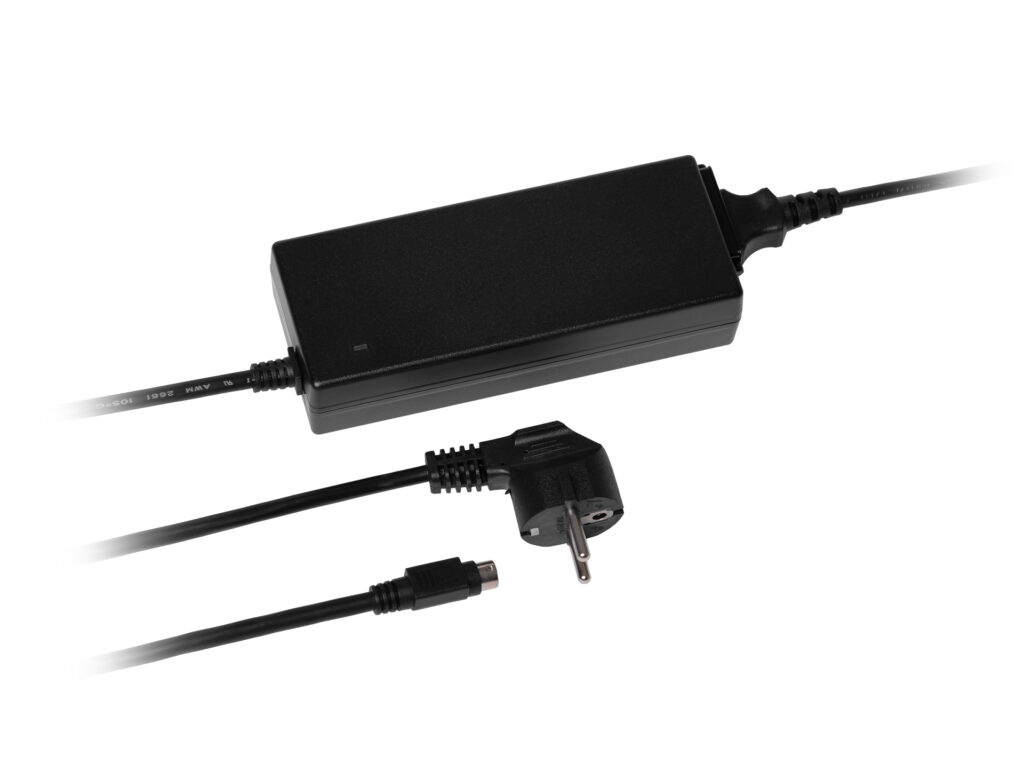
The selection here includes external plug-in adapters as well as products grouped under other power supply formats. External adapters are often preferred when designers want to keep AC conversion outside the end device, simplify thermal management, or reduce the complexity of the internal power stage. They are common in networking equipment, development platforms, consumer electronics, and many low-to-medium power applications.
Other supply formats may be more appropriate where equipment needs a dedicated power platform, mounting flexibility, or integration into a larger infrastructure. If your application requires a wider comparison across architectures, you can also review the broader Power Supplies landscape on this page alongside related technologies such as battery charger products for rechargeable systems.
Representative manufacturers and example products
This category features products from well-known suppliers including Advanced Energy, American Power Conversion, Adafruit, and Delta Electronics, Inc. These brands are frequently considered in projects where buyers need dependable sourcing options across embedded electronics, IT-related power hardware, and application-specific adapters.
Examples in the catalog include the Adafruit 2591 External Plug-In Adapters, Advanced Energy DA12-050EU-M, Advanced Energy DCH3-050US-0004, and Delta Electronics, Inc. ADP-90MD HDM. On the broader supply side, products such as Advanced Energy CX10S-000000-C-B, Advanced Energy CX18S-000000-N5A, and American Power Conversion WMBRS24-MB-T4 illustrate that the category is not limited to one single packaging style or deployment model.
These examples are best viewed as reference points for sourcing direction. Final selection should still be based on electrical fit, mechanical compatibility, and the operating conditions of the target system.
How to choose the right power supply
The first step is to confirm the input and output requirements. Buyers should match the available input source, required output voltage, current demand, and expected load profile. A supply that looks suitable by name or form factor may still be a poor fit if startup current, duty cycle, or output stability needs are not considered early.
Next, evaluate the installation environment. In industrial and technical B2B applications, factors such as ambient temperature, ventilation, mounting space, and cable routing often matter just as much as nominal electrical ratings. External plug-in adapters may be ideal for compact or portable devices, while other supply formats may better support fixed installations, control systems, or equipment with more structured internal power distribution.
It is also important to think about the wider system architecture. Some projects may later expand into backup power, mobile systems, or higher-efficiency energy handling, which makes adjacent categories such as EMobility or energy storage worth reviewing during planning.
Typical application scenarios
In embedded and development environments, compact adapters are often used to power controllers, communication devices, HMI units, and accessory electronics. In these cases, ease of replacement and standardized external powering can simplify maintenance and reduce design complexity inside the main device.
For commercial and infrastructure-oriented systems, other power supply formats may be more suitable where equipment must support continuous operation or be integrated into a larger rack, cabinet, or distributed power design. American Power Conversion products, for example, are relevant when buyers are evaluating power hardware in environments where broader system continuity and support infrastructure are part of the purchasing decision.
In engineering procurement, the most effective approach is usually to map the power supply to the application’s actual load behavior, expected service model, and installation method rather than selecting purely on catalog grouping.
Selection considerations for B2B sourcing teams
For procurement and engineering teams, supply selection often involves more than technical compatibility alone. Availability, vendor continuity, approved brand lists, and maintenance strategy can all affect the final decision. This is particularly true for OEM production, panel building, repair operations, and project-based purchasing where replacement consistency matters over time.
It is also useful to separate system-level requirements from device-level requirements. A design engineer may focus on output characteristics and integration, while a purchasing team may prioritize approved manufacturers, stocking strategy, and lifecycle stability. Looking at both perspectives together helps reduce the risk of redesigns or substitution issues later in the process.
Building a more complete power solution
Power supplies rarely operate alone. Cable interfaces, charging elements, and energy buffering can all influence system performance and serviceability. In applications where transient demand or hold-up behavior matters, related technologies such as supercapacitors may become relevant as part of the broader design strategy.
Within this category, the goal is to make it easier to compare practical options across external adapters and other supply types without losing sight of the full application context. Buyers looking at manufacturers like Adafruit, Advanced Energy, Delta Electronics, Inc., and American Power Conversion can use this page as a starting point for narrowing choices based on how power is actually delivered in the end system.
Final thoughts
Choosing the right power conversion solution is ultimately about fit: fit with the electrical load, fit with the enclosure, fit with the service model, and fit with the broader system plan. A well-matched unit supports stable operation and makes integration easier across design, procurement, and maintenance stages.
If you are comparing external adapters with other supply formats, this category provides a useful starting point for shortlisting options and aligning technical needs with sourcing priorities. Reviewing representative products and manufacturers here can help move the selection process from broad browsing to application-driven decision-making.
Get exclusive volume discounts, bulk pricing updates, and new product alerts delivered directly to your inbox.
By subscribing, you agree to our Terms of Service and Privacy Policy.
Direct access to our certified experts