Ambient Light Sensors
Accurate light measurement is essential in products that need to adapt to changing environments, manage display brightness, reduce power consumption, or improve user comfort. In electronic design, ambient light sensing helps systems respond to real-world lighting conditions with more precision than fixed settings or simple timers.
Ambient Light Sensors are widely used in consumer electronics, industrial interfaces, smart building devices, and embedded systems where light level data supports automatic control. Whether the goal is stable backlight adjustment, daylight-aware operation, or general environmental monitoring, this category brings together components designed to detect surrounding illumination and convert it into a usable electrical signal.
Where ambient light sensors are commonly used
These sensors are often selected for applications where a device must react to changing brightness throughout the day. Typical examples include display dimming, touchscreen panel brightness control, control panels in industrial equipment, portable devices, smart lighting systems, and building automation nodes.
In practical designs, ambient light feedback can improve visibility while also helping reduce unnecessary energy use. It is especially useful in systems that need to balance readability and efficiency, such as HMIs, handheld equipment, kiosks, or battery-powered products operating across variable indoor and outdoor conditions.
How these sensors work in a design
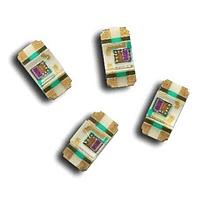
An ambient light sensor detects incident light and translates it into an analog or digital output that a controller or downstream circuit can interpret. Depending on the device architecture, the output may be used directly for threshold-based switching or processed by firmware for more refined brightness compensation and environmental analysis.
Compared with more specialized optical devices, ambient light sensors focus on measuring overall illumination rather than object detection or interruption sensing. If a design instead needs beam-based detection, position sensing, or break-beam functionality, categories such as optical slot sensors or optical transmitters may be more appropriate.
Key selection considerations
Choosing the right part usually starts with the expected lighting environment and the way the host system will use the measurement. Designers typically look at factors such as output type, sensitivity range, response behavior, package style, and integration requirements. The right choice depends on whether the sensor is supporting a simple control loop or feeding data into a more advanced embedded platform.
Mechanical placement also matters. Sensor orientation, field exposure, enclosure transparency, and shielding from stray light can all influence performance. In many products, ambient light measurement becomes more reliable when the optical path is considered early in the design rather than treated as a late-stage PCB decision.
For projects that need direct digital interpretation of illumination data, it may also be useful to review light to digital converters or photo IC sensors, depending on the level of integration required.
Ambient light sensing in industrial and embedded applications
While often associated with consumer devices, ambient light sensing also plays a valuable role in industrial and commercial equipment. Control terminals, outdoor cabinets, signage, and instrumentation can all benefit from automatic brightness management, especially where operating conditions shift between direct sunlight, shaded environments, and low-light settings.
In embedded systems, these sensors can support adaptive control strategies that improve usability without adding unnecessary operator input. They may also contribute to broader environmental awareness when combined with other sensing elements in a compact electronics platform.
Manufacturer ecosystem and design preference
This category includes solutions from recognized component suppliers such as ams OSRAM, Analog Devices, ROHM Semiconductor, Silicon Labs, and STMicroelectronics. Different manufacturers may be preferred based on design familiarity, interface expectations, package considerations, or alignment with an existing BOM strategy.
For some projects, supplier choice is driven by the broader sensing portfolio rather than a single component. Teams that are standardizing around optical, mixed-signal, or low-power embedded designs often evaluate ambient light sensors alongside related products from the same vendor to simplify sourcing and integration.
Integration considerations beyond the sensor itself
Ambient light performance is influenced not only by the component but also by firmware logic, enclosure materials, and calibration strategy. A well-selected device can still underperform if it is blocked by tinted plastics, exposed to internal reflections, or located too close to artificial light sources that distort the reading.
For this reason, successful implementation often involves system-level thinking. Designers may apply averaging, filtering, or compensation algorithms to improve stability, especially in installations where lighting changes rapidly or where the sensor must distinguish between useful environmental light and transient interference.
Choosing the right category for your application
If the requirement is to measure general illumination for automatic brightness control or environmental light awareness, ambient light sensors are usually the correct starting point. They fit well where the system needs actionable data about surrounding brightness rather than object presence, beam interruption, or directional optical signaling.
When the sensing objective changes, adjacent optical categories may be a better fit. Reviewing related optical sensor technologies can help narrow the selection and avoid overengineering or choosing a part type that does not match the actual operating principle needed.
Final thoughts
This category supports engineers and buyers looking for reliable components for light level detection in embedded, industrial, and electronic product design. By focusing on the operating environment, signal handling needs, and physical integration constraints, it becomes easier to identify a sensor that aligns with both technical requirements and long-term product performance.
For teams building systems with automatic brightness adjustment, energy-aware behavior, or responsive user interfaces, ambient light sensors provide a practical foundation for smarter and more adaptive device behavior.
Get exclusive volume discounts, bulk pricing updates, and new product alerts delivered directly to your inbox.
By subscribing, you agree to our Terms of Service and Privacy Policy.
Direct access to our certified experts