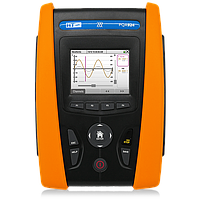
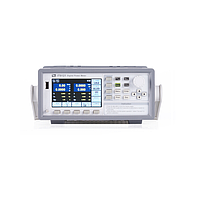
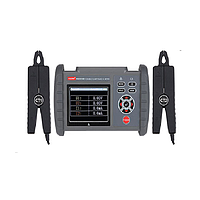
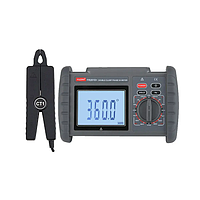
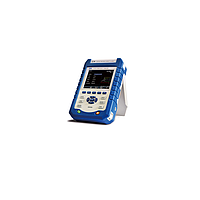
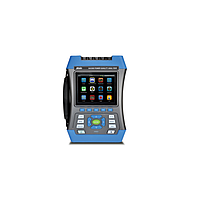
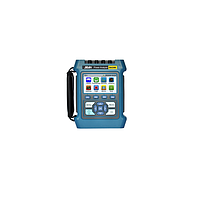
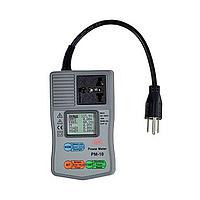
Power Quality Analyzer
When voltage distortion, harmonics, unbalance, or intermittent events begin to affect equipment performance, a standard meter often cannot show the full picture. A Power Quality Analyzer is used to capture what is happening across single-phase or three-phase electrical systems so maintenance teams, energy managers, and electrical engineers can diagnose problems with more confidence.
On this page, you can explore instruments suited to power studies, energy logging, harmonic analysis, and long-term monitoring in industrial plants, commercial buildings, utilities, and facility infrastructure. The category covers both portable analyzers for detailed troubleshooting and loggers designed for extended recording in real operating conditions.
What power quality analysis helps you identify
Electrical issues are not always obvious from RMS voltage or current alone. In many installations, the root cause may involve harmonics, poor power factor, phase imbalance, transients, flicker, or inrush conditions that only appear during certain operating cycles. A dedicated analyzer helps reveal these patterns by recording multiple parameters together over time.
This is especially useful when investigating nuisance tripping, overheating, unexpected energy consumption, motor performance issues, UPS behavior, or the impact of variable speed drives and nonlinear loads. For broader troubleshooting work, engineers may also pair these instruments with a multimeter for point checks and electrical verification during commissioning or maintenance.
Common instrument types in this category
Not every application requires the same level of analysis. Some devices in this category are better suited to quick field measurements, while others are intended for long-duration logging and standards-based reporting. Understanding that difference helps narrow the selection much faster.
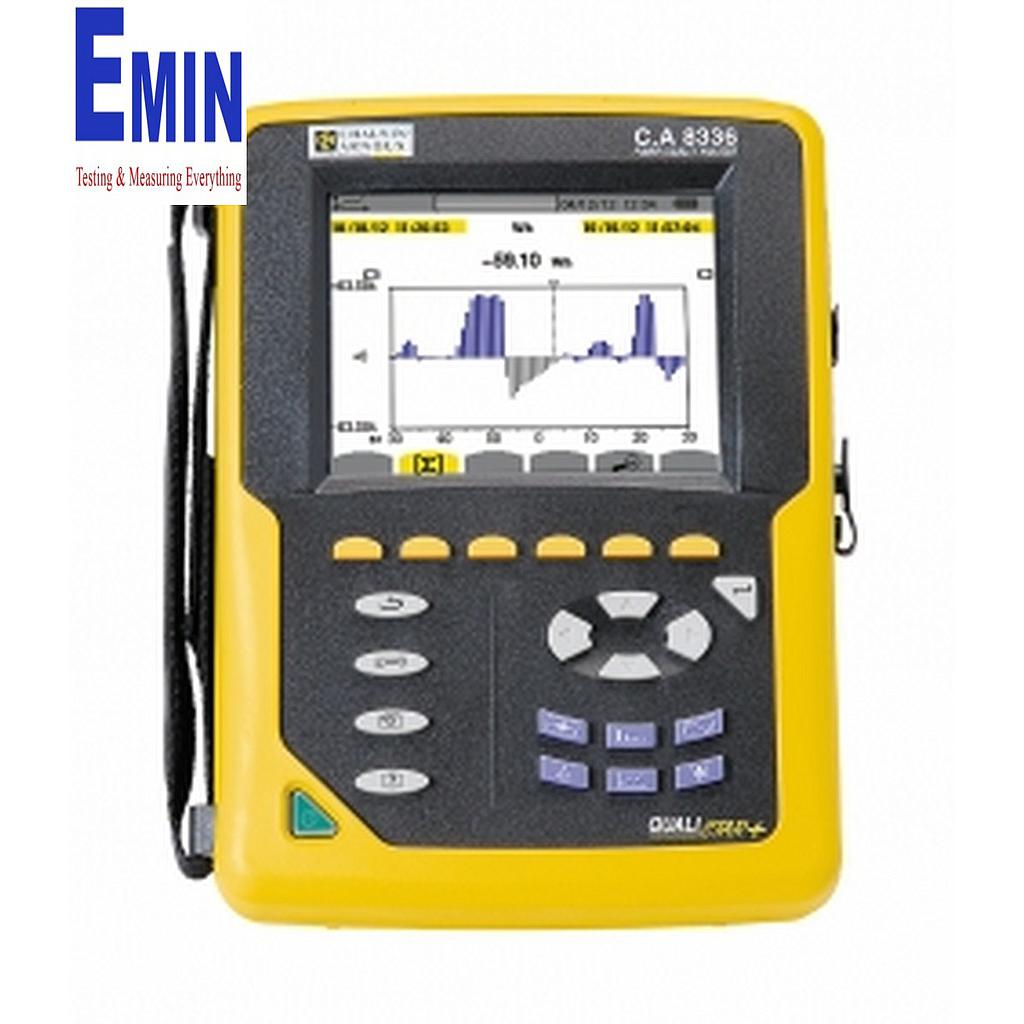
Clamp-based instruments such as the HIOKI CM3286-50 AC clamp power meter or Chauvin Arnoux F205 and F607 models are practical when fast installation, mobility, and routine load evaluation matter most. For more advanced studies in three-phase networks, products such as the FLUKE-1738/INTL, FLUKE-1746/30/INTL, FLUKE-1734/INTL, or Chauvin Arnoux C.A 8331 and C.A 8333 are better aligned with event recording, harmonic analysis, and energy trend assessment.
Key parameters engineers usually monitor
A typical power quality workflow starts with the fundamentals: voltage, current, frequency, active power, reactive power, apparent power, and energy. From there, more advanced analysis may include total harmonic distortion, individual harmonic orders, phase angle, unbalance, transient capture, flicker, and minimum or maximum trend recording.
In practice, the most valuable analyzer is not simply the one with the longest specification sheet, but the one that matches the site conditions and the questions you need answered. For example, if the goal is to compare load behavior over days or weeks, logging capability and software support are often more important than a handheld form factor. If fast current measurement on insulated conductors is the priority, a clamp-style power meter may be a better fit.
Examples from leading manufacturers
This category includes instruments from established measurement brands such as FLUKE, HIOKI, Chauvin Arnoux, and YOKOGAWA. Each of these manufacturers is widely associated with electrical measurement workflows, but their products often serve different levels of detail and use cases.
For example, the FLUKE 1738 and FLUKE 1746/30/INTL are oriented toward three-phase power quality logging, while the FLUKE 1734/INTL focuses on three-phase power measurement and energy logging. Chauvin Arnoux offers both network analyzers such as the C.A 8333 and portable clamp-style power and harmonic meters such as the F607. HIOKI provides compact field-friendly solutions like the CM3286-50, and YOKOGAWA instruments such as the WT310E-C1-H/G5/C7 are relevant where precise digital power measurement and harmonics-related evaluation are part of the workflow.
How to choose the right power quality analyzer
The first selection point is the electrical system type. Confirm whether you are working on single-phase loads, balanced three-phase systems, or full three-phase installations where neutral measurement, harmonic content, and event recording matter. The available voltage and current range, input method, and compatibility with clamps or flexible probes should all match the installation being tested.
The second point is the measurement objective. If your task is energy logging for load studies, a dedicated logger such as the Chauvin Arnoux PEL113, PEL115, or PEL113-MA194-350 may be more suitable than a general handheld meter. If you need standards-oriented reporting, harmonic visibility, or investigation of disturbances over time, a more advanced three-phase analyzer will usually be the better option.
It is also worth considering practical details such as safety category, battery operation, enclosure protection, software ecosystem, memory, communications, and ease of installation in a live panel. In many sites, setup speed and the ability to leave an instrument connected for days can be just as important as measurement depth.
Typical applications across industry and facilities
Power quality analyzers are widely used in manufacturing plants, process industries, building services, renewable energy systems, electrical distribution panels, and service teams responsible for maintenance or energy audits. They help verify whether a supply problem originates upstream, whether a load is injecting distortion into the network, or whether power demand patterns justify operational changes.
These instruments are also useful during acceptance testing, retrofit projects, motor and drive troubleshooting, HVAC optimization, and investigations related to overheating transformers or repeated protective device trips. In sites where grounding performance is part of the wider electrical assessment, teams may also review results alongside an earth resistance and resistivity tester to build a more complete view of installation health.
Portable meters, analyzers, and loggers in one workflow
Many organizations do not rely on a single instrument for every job. A compact clamp meter or power meter is often used for fast checks, while a logger or analyzer is deployed when the issue is intermittent or requires trend data. This layered approach improves efficiency because technicians can screen problems quickly before committing to a deeper recording session.
For example, a portable clamp-style device may confirm load level, power factor, or basic harmonic conditions at the point of use. If the issue persists, a three-phase logger can then record the circuit over a longer period to catch disturbances linked to shift changes, startup sequences, or variable demand. Choosing from this category with that workflow in mind usually leads to a more practical and cost-effective setup.
Find a suitable solution for your measurement task
The right choice depends on what you need to observe, how long you need to record it, and how complex the electrical network is. Whether you are comparing energy behavior, checking harmonic distortion, analyzing three-phase balance, or investigating intermittent events, this category brings together instruments that support more informed electrical diagnostics.
Browse the available Power Quality Analyzer products to compare portable meters, advanced three-phase analyzers, and energy loggers from trusted manufacturers. With the right tool, it becomes much easier to move from a general symptom to measurable evidence and a clearer corrective action.
Get exclusive volume discounts, bulk pricing updates, and new product alerts delivered directly to your inbox.
By subscribing, you agree to our Terms of Service and Privacy Policy.
Direct access to our certified experts