Cable Fault Location
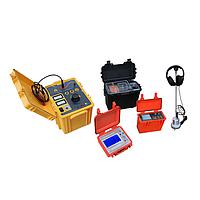
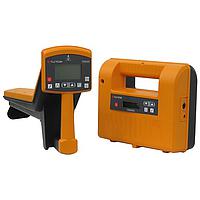
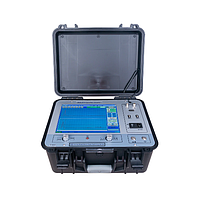
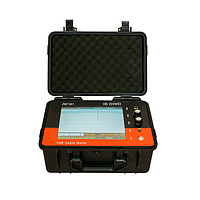
Locating a cable fault quickly is critical when power distribution, industrial utilities, or underground networks need to be restored with minimal downtime. In practice, the right test setup depends on the fault type, cable length, installation environment, and the level of accuracy required in pre-location and pinpointing. This category brings together Cable Fault Location equipment used to detect, analyze, and narrow down cable defects across maintenance, troubleshooting, and field service workflows.
Where cable fault location equipment is used
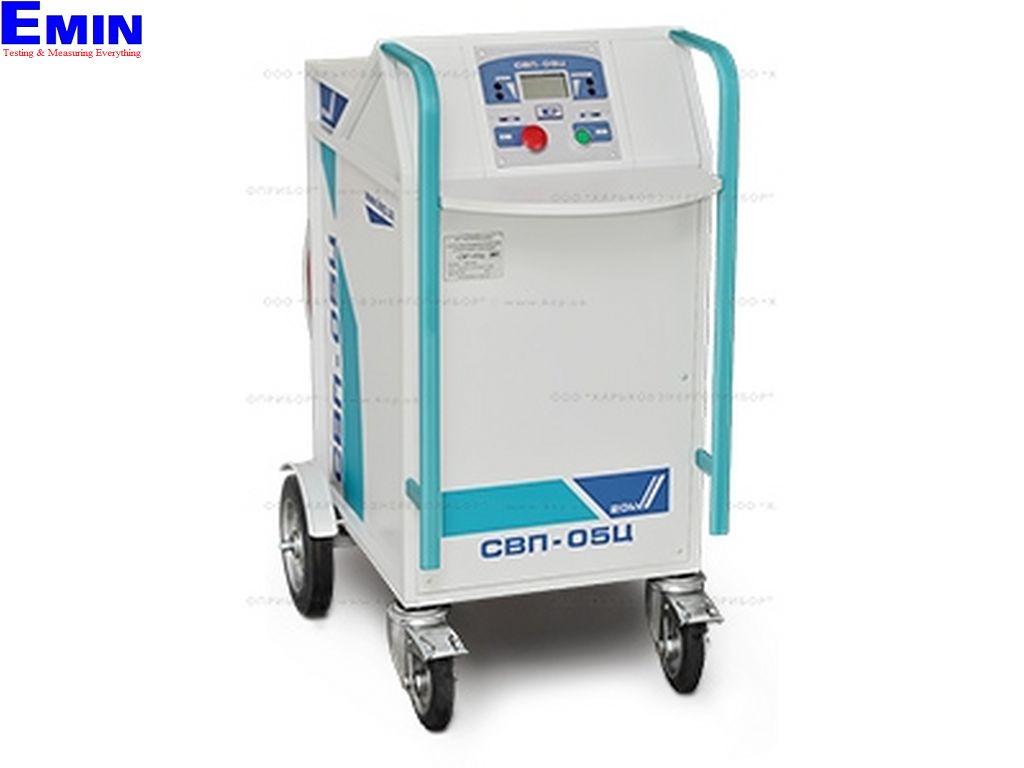
These instruments are commonly applied in utility maintenance, industrial plants, infrastructure projects, and service teams working with underground or hard-to-access cable routes. Typical use cases include identifying open circuits, short circuits, insulation-related failures, and intermittent faults before excavation or replacement work begins.
For many teams, cable fault location is part of a broader electrical diagnostics workflow. Depending on the job, it may be used alongside withstand voltage test equipment to verify insulation integrity or with a VLF tester when assessing medium-voltage cable condition.
Common methods used in cable fault location
A typical fault location process starts with pre-location, where the operator estimates the distance to the fault, followed by fault confirmation and pinpointing in the field. One of the most established techniques is TDR or Time Domain Reflectometry, which sends a pulse through the cable and analyzes reflections caused by impedance changes along the line.
TDR-based instruments are especially useful for detecting discontinuities and estimating distance with good repeatability. In more demanding applications, technicians may combine TDR with arc reflection or impulse-based methods to make high-resistance or difficult faults more visible. This is why the category includes both compact reflectometers and larger integrated systems that combine several test functions.
Product types in this category
The range typically covers handheld and portable fault locators, PC-connected reflectometers, and full-featured cable fault locating systems. Smaller devices are practical for routine service work and fast checks, while advanced platforms are better suited to long cable runs, complex fault conditions, and structured diagnostic workflows.
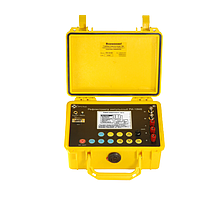
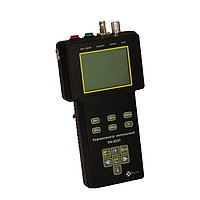
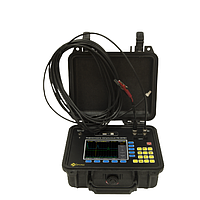
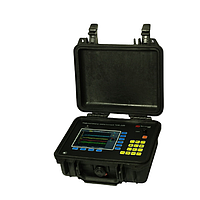
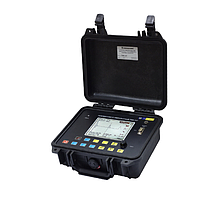
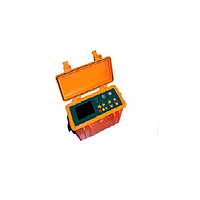
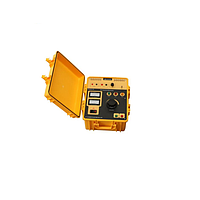
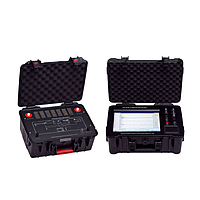
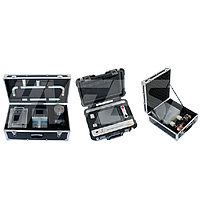
Examples in this category include the Ersted TDR RI-303T Cable Fault Locator and Ersted TDR-107 Cable Fault Locator, both aimed at distance-based fault analysis using reflectometry principles. For users who need broader capability in one platform, systems such as the MOTWANE COMPAC 40 and MOTWANE COMPAC 40D Cable Fault Locating System combine pre-location functions with high-voltage test and impulse-based operation.
There are also complementary tools for field workflow. The MOTWANE CI 60S-D Cable Identification System, for example, supports cable identification, which can be an important step before testing or cutting in multi-cable environments.
How to choose the right cable fault locator
Selection should start with the cable network you work on most often. Cable length, conductor type, expected fault modes, and whether the installation is low-voltage or medium-voltage all influence the suitable instrument class. A compact TDR unit may be enough for straightforward distance-to-fault measurements, while a multifunction system is more appropriate when operators need testing, pre-location, and impulse functions in one package.
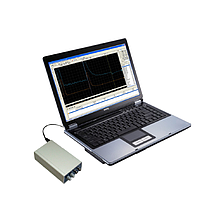
Another key factor is working style. Some teams prefer battery-powered portable units for field mobility, while others need bench or vehicle-based systems for intensive service work. For example, compact models like the Ersted TDR RI-307USB offer a PC-based approach, while larger MOTWANE systems are designed for more comprehensive fault-locating tasks in demanding field conditions.
It is also worth considering data handling, waveform memory, display type, and adjustment options such as velocity factor settings. These affect not only measurement convenience but also the consistency of diagnosis across different cable types and operators.
Representative brands and equipment in this range
This category includes products from recognized manufacturers such as MOTWANE, Ersted, and YATO. Each serves a somewhat different need within the cable maintenance ecosystem, from basic visual checking to advanced electrical fault analysis.
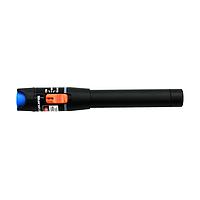
For fiber-related inspection, the YATO YT-73097 Visual Fault Locator and YATO YT-73098 Visual Fault Locator are useful examples of compact fault finding tools designed for fast visual tracing tasks. In electrical cable diagnostics, Ersted models such as the RI-307M3 High-Precision Cable Fault Locator focus on detailed TDR-based analysis, while MOTWANE systems support broader fault locating operations where multiple diagnostic modes are needed.
Related test equipment often used together
Cable fault work rarely happens in isolation. In many maintenance programs, engineers also use a high-voltage step-up transformer or other high-voltage sources to support cable testing procedures, depending on the method and safety protocol being followed.
For condition assessment beyond fault distance measurement, some applications may also benefit from a capacitance and tan delta meter. This is particularly relevant when teams are not only locating a current failure, but also evaluating insulation behavior to reduce future cable outages.
What matters in day-to-day field use
In real service conditions, the best choice is often the one that balances measurement capability with usability. Clear waveform display, practical connection methods, manageable weight, battery operation, and stable performance in outdoor environments can make a significant difference when troubleshooting under time pressure.
Another practical consideration is whether the instrument fits your workflow for verification and documentation. Portable TDR units are well suited to quick response jobs, while integrated systems are helpful when the fault is complex and several test stages must be completed on site with one setup. Choosing based on the actual service scenario usually leads to better long-term value than selecting by specification alone.
Find the right solution for your cable testing workflow
This Cable Fault Location category is intended for engineers, contractors, maintenance teams, and utilities that need reliable tools for diagnosing cable problems efficiently. Whether the requirement is a compact locator for routine field checks, a high-precision TDR instrument, or a more complete fault locating system, the available range supports different operating environments and levels of diagnostic depth.
If you are comparing options, focus on the cable types you handle, the faults you see most often, and whether you need standalone pre-location or a broader test platform. That approach makes it easier to shortlist the right equipment and build a more effective cable maintenance process.
Get exclusive volume discounts, bulk pricing updates, and new product alerts delivered directly to your inbox.
By subscribing, you agree to our Terms of Service and Privacy Policy.
Direct access to our certified experts