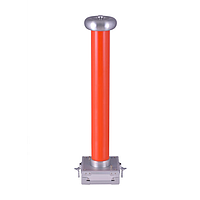
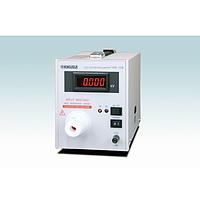
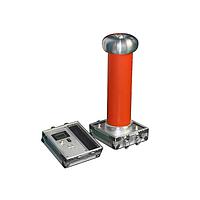
High Voltage Meter
Working with energized equipment, insulation systems, and high-potential test setups requires more than a standard multimeter. In these environments, reliable High Voltage Meter instruments help technicians and engineers verify output levels, monitor test conditions, and handle measurement tasks where accuracy and operator safety are equally important.
This category brings together high-voltage measuring tools used in power testing, laboratory work, maintenance, and electrical manufacturing. Depending on the job, that can mean direct voltage measurement, precision monitoring during dielectric testing, or safe discharge of stored energy after a test sequence is complete.
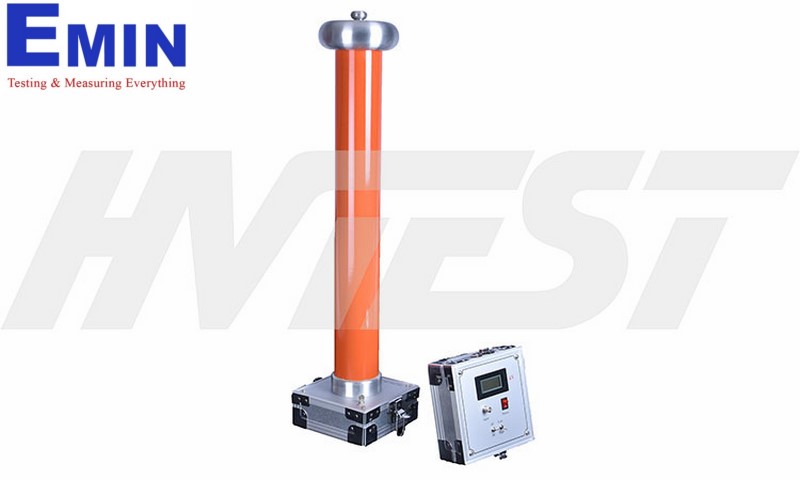
Where high voltage meters are used
High-voltage measurement is common in transformer testing, cable diagnostics, dielectric withstand procedures, component validation, and research environments. In each case, the instrument must be matched to the voltage range, signal type, and measurement objective rather than chosen only by maximum kV rating.
Some applications focus on reading DC output from a test source, while others require AC measurement, waveform-related evaluation, or support for broader insulation assessment. If your workflow includes source generation as well as measurement, related equipment such as a high-voltage step-up transformer may also be part of the overall setup.
Typical instrument types in this category
This category covers several practical approaches to high-voltage measurement. One common format is the high-voltage probe, which extends the measurement range of a meter for service and troubleshooting tasks. Another is the dedicated digital kilovoltmeter or bench-style meter designed specifically for stable high-voltage reading in controlled environments.
There are also broader test instruments that combine voltage measurement with insulation, leakage, or apparatus analysis functions. In real-world use, these devices are often selected not only for measurement capability but also for input impedance, readability, portability, and how well they integrate into a larger electrical test process.
Representative products and practical roles
For compact measurement tasks, the BKPRECISION HV 44A High Voltage Probe Meter provides a practical option for DC measurement up to 40 kV. Its probe-style format is useful where engineers need access to energized points while maintaining an appropriate measurement interface, especially in service or electronics-related testing.
The KIKUSUI 149-10A High Voltage Digital Voltmeter is suited to applications requiring AC and DC high-voltage reading with high input impedance. For users who need a more multifunctional approach, the KIKUSUI TOS9311 combines safety analysis functions with high-voltage test capability, making it relevant where compliance-oriented electrical testing and measurement are closely linked.
In laboratory and asset assessment workflows, the Doble M4100 High Voltage Apparatus Tester supports more advanced evaluation of insulation-related characteristics in addition to voltage-based testing. The Vitrek 4700 Precision High Voltage Meter fits applications where measurement precision, digital resolution, and detailed voltage analysis matter more than a simple pass/fail indication.
Safety matters as much as measurement
High-voltage work is never only about obtaining a reading. Test circuits, capacitive loads, and energized components may retain hazardous charge even after the source is turned off, so safe handling practices and the right accessories are essential parts of the measurement process.
This is where discharge tools have a clear role in the ecosystem. The MOTWANE SDR series soft discharge rods, including 11 kV, 22 kV, 35 kV, 70 kV, and 100 kV variants, are designed to discharge stored energy through a controlled path rather than an abrupt short. For many maintenance teams and test labs, combining a meter with proper discharge equipment is a basic requirement for a safer workflow.
How to choose the right high voltage meter
The first point to confirm is the voltage type and range. Some jobs involve DC only, while others require AC, or both. It is also important to consider whether the meter will be used for occasional field verification, routine production testing, or detailed laboratory measurement, since each scenario places different demands on resolution, portability, and setup time.
Input impedance is another key factor because it affects how much the measuring device loads the circuit under test. Accuracy, frequency range, display behavior, and environmental suitability should also be reviewed, especially when measurements are part of formal test reports or repeatable maintenance procedures.
If your process extends beyond simple voltage reading, it may be helpful to compare related categories such as withstand voltage test equipment or instruments for capacitance and tan delta measurement. These tools are often used alongside high-voltage meters in insulation diagnostics and acceptance testing.
Brand coverage for different testing needs
Within this category, users can find solutions from manufacturers associated with different measurement styles and testing priorities. KIKUSUI is relevant for users looking at high-voltage voltmeters and multifunctional safety analyzers, while BKPRECISION supports probe-based measurement use cases. Vitrek is often considered where precise digital high-voltage indication is important, and DTE offers kilovoltmeter options for higher-range applications.
MOTWANE stands out in the supporting safety equipment area with discharge rods that complement high-voltage measurement work. For broader test systems, MultiTech also appears in contexts where voltage generation and specialized electrical test arrangements are involved, such as DVDF test setups.
Integration into a complete electrical test workflow
In many facilities, a high-voltage meter is one element within a larger test chain rather than a standalone purchase. The full workflow may include a voltage source, measuring instrument, discharge accessory, and additional diagnostic equipment depending on the asset under test and the acceptance criteria being used.
That is why category-level selection should focus on application fit. A maintenance engineer checking output on a test bench may need a different tool than a laboratory team validating insulation behavior, and both will have different priorities than a manufacturer running repetitive production checks. Understanding that context usually leads to a better instrument choice than comparing headline voltage values alone.
Conclusion
Choosing the right high-voltage measuring instrument starts with the test objective: what needs to be measured, under what conditions, and with what level of accuracy and safety control. This category covers practical options ranging from probe meters and digital kilovoltmeters to multifunctional analyzers and complementary discharge tools.
For B2B buyers, maintenance teams, and test engineers, the best approach is to evaluate the measurement task as part of the complete electrical testing process. That makes it easier to select a high voltage meter that fits the actual work environment, supports dependable results, and aligns with safe operating practice.
Get exclusive volume discounts, bulk pricing updates, and new product alerts delivered directly to your inbox.
By subscribing, you agree to our Terms of Service and Privacy Policy.
Direct access to our certified experts