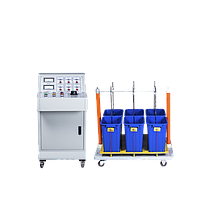
Insulating tester
When electrical insulation must be verified before use, during maintenance, or as part of a compliance workflow, selecting the right test equipment becomes critical. This page focuses on insulating tester solutions used to evaluate the condition and dielectric strength of insulating materials and protective rubber goods such as gloves, boots, and related components in industrial and utility environments.
In practice, this category covers both compact test accessories and larger high-voltage systems. Some tools help create a stable contact point for glove and finger cot testing, while others are designed for controlled AC voltage application, leakage current monitoring, and breakdown or endurance evaluation. That makes this category relevant for labs, ESD control programs, maintenance teams, and organizations responsible for electrical safety testing.
Where insulating testers are used
Insulation testing is not limited to one type of product or one industry. Depending on the setup, these instruments may be used for testing rubber insulating gloves, boots, finger cots, and other protective goods, as well as for dielectric endurance checks in controlled laboratory conditions. The goal is to identify leakage, verify insulation integrity, and support safe use in energized environments.
Users typically include electrical utilities, industrial maintenance departments, safety labs, and electronics manufacturing facilities. In some cases, the requirement is routine inspection of protective equipment; in others, it is a more demanding high-voltage evaluation process related to endurance or destructive testing.
Different equipment roles within this category
Not every item in an insulation testing setup performs the same function. A complete workflow may include electrodes, fixtures, control units, high-voltage sources, monitoring instruments, and safety components. Understanding these roles helps buyers choose equipment that matches their actual test procedure rather than comparing products that serve very different purposes.
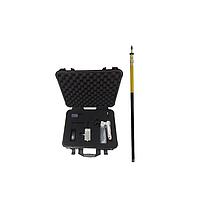
For example, the Desco 19298 Glove CAFE Test Electrode and the Systech SYS-JIG123 Test Electrode For Gloves And Finger Cots are supporting components used to establish consistent electrical contact during testing. These are useful in ESD and glove-related evaluation setups, where repeatable contact and handling are important for reliable measurements.
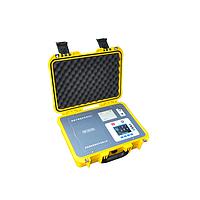
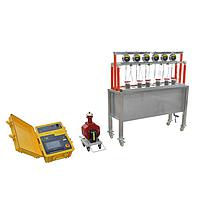
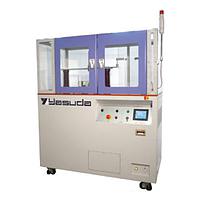
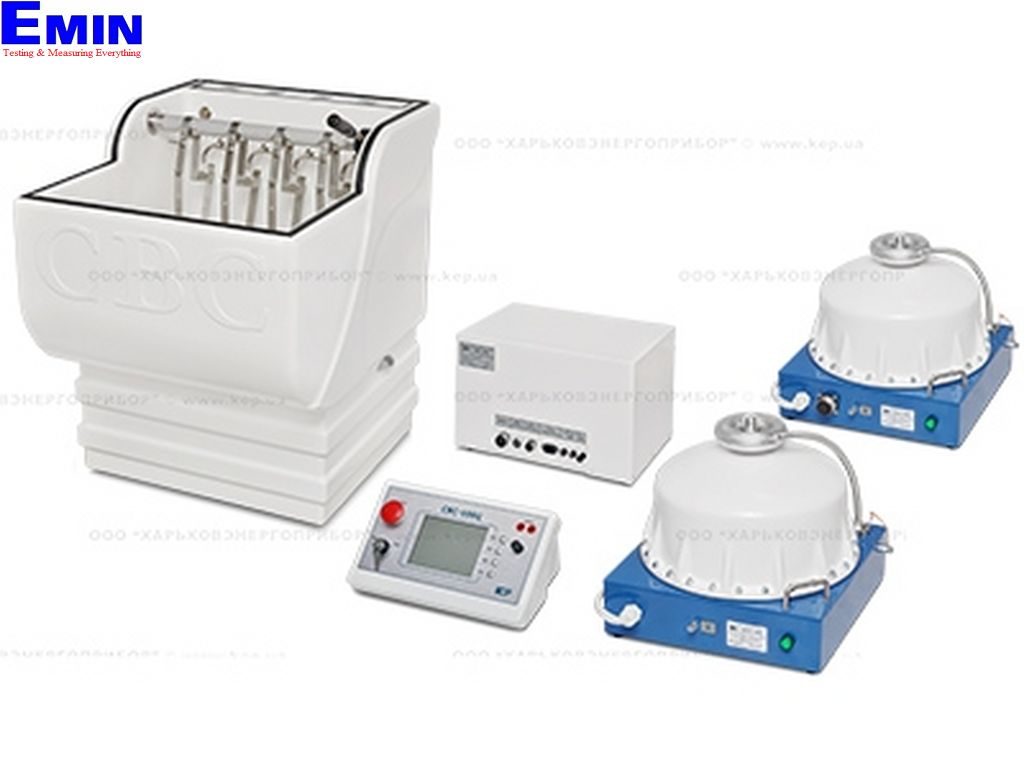
On the other end of the category are full test systems such as the Yasuda 199 Volt-Endurance And Destruction Tester and glove/boot testing equipment from DTE and KEP. These systems are intended for controlled high-voltage application, with functions related to voltage increase, leakage current observation, and safety interlocks. If your application extends into dielectric withstand procedures, it may also be useful to review our withstand voltage test equipment range.
Representative products and what they indicate
The listed products show that this category supports both bench-level accessory needs and larger safety-testing systems. Accessories such as the Desco 19298 electrode and the Systech SYS-JIG123 are especially relevant where glove and finger cot testing requires stable geometry, operator convenience, and compatibility with an existing measurement method.
For more advanced applications, the Yasuda 199 Volt-Endurance And Destruction Tester illustrates the role of a programmable high-voltage platform with metering and protection features. It is suitable as an example of equipment used when test voltage must be raised in a controlled manner and the operator needs a structured test environment.
DTE models such as the SVS-100D, DTE-50D, and DTE-15D reflect a tiered approach to testing rubber gloves and boots across different voltage ranges. Similarly, KEP systems including the SVS-100C, SVS-50C, SVS-100M, and SVS-50M indicate that buyers often choose between equipment families based on the target test voltage, specimen type, and the scale of the testing program.
Key selection criteria before you buy
The most important starting point is the test object. A buyer testing gloves, boots, or finger cots needs to confirm whether the setup requires only an electrode or a complete high-voltage station. For protective rubber goods, the voltage class to be tested, acceptable leakage range, and specimen handling method should all be considered early in the selection process.
The next factor is the required voltage capability. In this category, available examples range from lower-voltage glove test systems up to 100 kV equipment. That does not automatically mean a higher-voltage model is the better choice; the correct option depends on your procedure, safety requirements, and the insulation class being evaluated.
It is also worth checking how the system handles control and safety. Features such as interlocks, emergency stop functions, upper voltage limits, and leakage monitoring are especially relevant for high-voltage work. If your testing setup depends on an external source or transformer arrangement, related products in the high-voltage/step-up transformer category may provide useful context.
Why safety and repeatability matter in insulation testing
An insulating tester is not only about applying voltage. Reliable results depend on controlled contact conditions, consistent specimen preparation, and a safe operating sequence. This is why accessory items such as glove electrodes remain important even in a category that also contains larger and more complex systems.
For high-voltage testing, repeatability is closely tied to operator protection. Equipment with organized controls, clear metering, and protective mechanisms helps reduce setup errors and supports more consistent test outcomes. In maintenance or compliance programs, that consistency is often just as important as the voltage capability itself.
Common buying scenarios in B2B applications
One common scenario is a facility that already has a measurement process in place and only needs a dedicated accessory for glove or finger cot testing. In that case, a specialized electrode from Desco or Systech may be more relevant than a full test cabinet. This approach is often practical when the organization is refining an existing ESD or safety test station.
Another scenario involves utilities or industrial safety teams that need a complete setup for periodic testing of rubber gloves and boots. Here, DTE and KEP equipment can represent the type of integrated platform buyers look for when they need defined voltage ranges, leakage monitoring, and a purpose-built structure for protective goods testing.
A third case is laboratory or product evaluation work that requires endurance or breakdown-oriented testing under controlled conditions. For this kind of application, the Yasuda 199 highlights the difference between simple pass/fail checking and a more structured dielectric stress test workflow. Where broader insulation diagnostics are needed, some users also compare adjacent technologies such as very low frequency tester (VLF) solutions depending on the asset type and test method.
Choosing the right category fit for your test workflow
This category is best suited for buyers who need equipment specifically associated with insulation verification, especially for protective rubber goods and controlled dielectric testing. The product mix shows that the buying decision often begins with one simple question: do you need a contact accessory, or do you need a complete high-voltage test system?
By narrowing the selection around specimen type, target voltage, operating safety, and test procedure, it becomes easier to identify the right insulating tester for your workflow. Whether you are equipping a maintenance bench, an ESD control station, or a dedicated electrical safety lab, the category provides a practical starting point for comparing accessories and full systems from established manufacturers.
Get exclusive volume discounts, bulk pricing updates, and new product alerts delivered directly to your inbox.
By subscribing, you agree to our Terms of Service and Privacy Policy.
Direct access to our certified experts