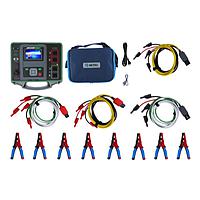
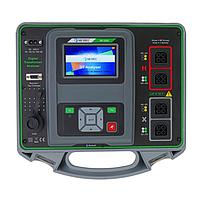
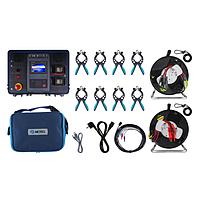
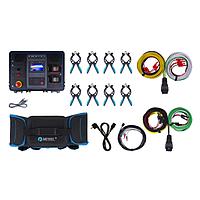
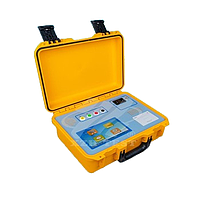
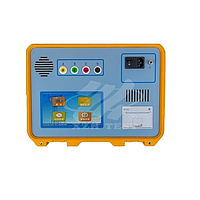
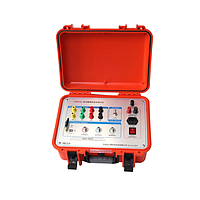
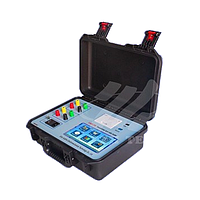
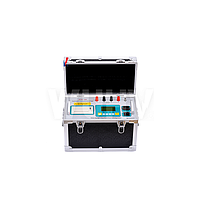
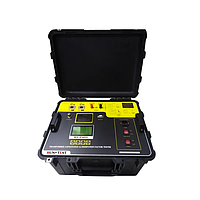
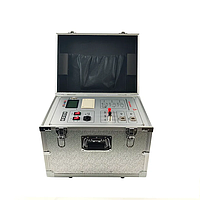
Transformer test equipment
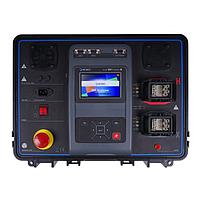
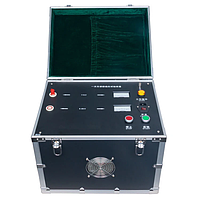
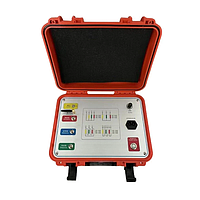
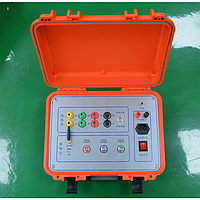
Accurate transformer diagnostics are critical for commissioning, maintenance, and fault investigation in power systems, substations, manufacturing, and repair environments. Whether the task involves verifying turns ratio, checking CT/VT performance, evaluating winding condition, or analyzing frequency response, selecting the right Transformer test equipment helps reduce testing time while improving confidence in the results.
This category brings together instruments used for electrical testing of power transformers, current transformers, voltage transformers, and related components. It covers both portable field instruments and more advanced analyzers for deeper assessment, making it easier to match the test method to the transformer type, voltage class, and maintenance objective.
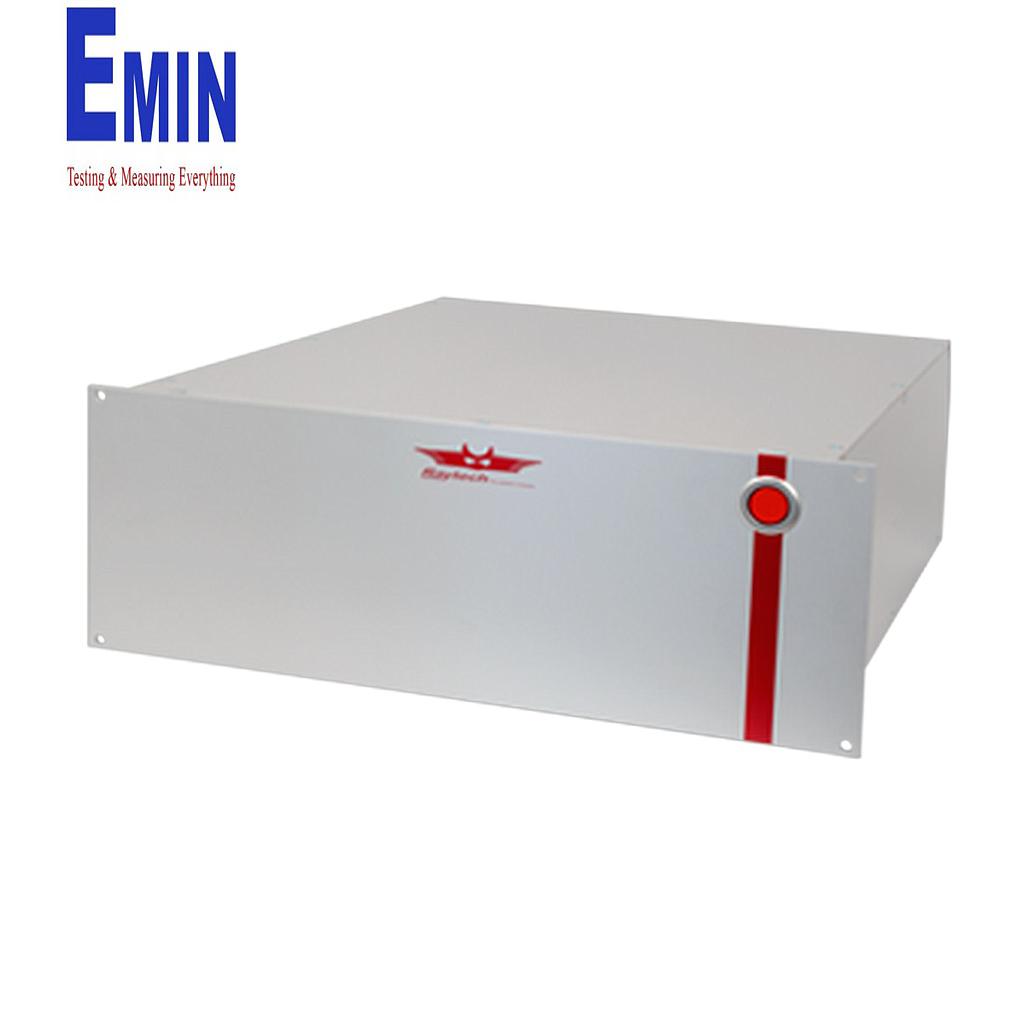
What this equipment is used for in practice
Transformer testing is not limited to a single measurement. In real maintenance workflows, engineers may need to confirm the transformation ratio after installation, compare phase angle behavior, detect winding irregularities, or validate the condition of instrument transformers such as CTs and VTs. Different test instruments are designed for different stages of that process.
For example, a ratio tester is typically used to verify whether the measured turns ratio matches the transformer nameplate and tap position. In more advanced troubleshooting, a frequency response analyzer can help identify mechanical displacement or winding deformation, while specialized analyzers extend coverage to burden, saturation, resistance, or excitation-related checks.
Main types of transformer test equipment in this category
A large part of this category focuses on turns ratio testing. This includes handheld and bench instruments used to measure transformer ratio across a wide range of applications, from routine field verification to workshop testing. Products such as the DV Power TRT-H Handheld Turns Ratio Tester and DV Power TRT63A / TRT63B true three-phase testers illustrate the difference between compact portability and higher-capability three-phase testing.
There are also instruments aimed at instrument transformers. The Chauvin Arnoux DTR 8511 Ratiometer is intended for VT, PT, and CT ratio measurement, while the DV Power CVA500 Current and Voltage Transformer Analyzer broadens the scope for current and voltage transformer analysis. For users who need to verify measurement reliability, the DV Power TRTC Turns Ratio Verification Calibrator supports ratio verification in test setups.
Another important group is response and condition analysis. The DV Power FRA500 Sweep Frequency Response Analyzer and the NF FRA51615 Frequency Response Analyzer support transformer condition assessment through response analysis over broad frequency ranges. For component-level work in electronics, the MICROTEST 5265 Transformer Tester is relevant where inductance, impedance, turn ratio, and related parameters are part of the inspection process.
How to choose the right tester
The first step is to define the transformer type and the required test objective. If the main need is verifying power transformer tap positions and ratio values during field service, a dedicated turns ratio tester is often the most practical choice. If the application includes CTs, VTs, or PTs, a more specialized instrument may be a better fit than a standard power transformer ratio tester.
Portability is also a major selection factor. A handheld model such as the DV Power TWR-H combines ratio and winding resistance functions in one compact unit, which can be useful for technicians working across multiple sites. In contrast, larger systems such as the DV Power CVA500 or three-phase TRT models are more suitable when the workflow requires broader functionality, higher test voltage options, or more detailed analysis.
Users should also consider interface and data handling needs. Depending on the workflow, stored records, USB connectivity, Bluetooth, LAN, or PC software can be helpful for traceability and reporting. In maintenance programs where transformer testing is part of a wider diagnostic routine, it can also make sense to review related tools such as capacitance and tan delta meters for insulation assessment.
Representative products and testing roles
Several products in this category illustrate how transformer testing needs can vary. The Gossen Metrawatt TR Mark III 250 V is positioned around checking transformation ratios in a rugged format, while the Chauvin Arnoux DTR 8511 Ratiometer addresses VT/PT and CT ratio measurement with portable operation. These are good examples of instruments centered on core ratio verification tasks.
For broader field diagnostics, DV Power offers a wider ecosystem that includes the TRT-H handheld tester, the TWR-H for combined ratio and winding resistance measurements, and the TRT63A / TRT63B for true three-phase turns ratio testing. The CVT20 Voltage Booster / Extension Transformer adds a supporting role in specific setups rather than serving as a standalone primary tester.
When the testing objective shifts from ratio verification to mechanical or winding condition analysis, analyzers such as the DV Power FRA500 and NF FRA51615 become more relevant. These instruments are used in workflows where response behavior across frequency helps reveal internal issues that conventional ratio measurements may not detect.
Where transformer test equipment fits in a broader test program
Transformer evaluation is often part of a larger electrical testing sequence. A ratio test may confirm winding relationships, but it does not replace insulation, withstand, or dielectric diagnostics. Depending on the asset and the maintenance standard in use, test teams may combine transformer ratio checks with withstand voltage testing, winding resistance measurement, capacitance/tan δ measurement, or other condition-based methods.
In high-voltage environments, support equipment may also be needed to generate or extend test voltage safely for particular procedures. For applications that involve auxiliary voltage generation or related lab and field setups, readers may also explore high-voltage step-up transformers where relevant to the overall test arrangement.
Typical buyers and application environments
This category is relevant to utilities, transformer manufacturers, repair workshops, commissioning contractors, industrial maintenance teams, and electrical testing service providers. Their needs can differ significantly. A production or repair environment may prioritize repeatability, fast test cycles, and stored setups, while field teams often focus on battery operation, weight, and speed of deployment.
Instrument transformer specialists may look for analyzers with CT/VT-specific functions, whereas substation maintenance teams may prefer versatile portable units that cover multiple checks without carrying several separate instruments. For electronics and magnetic component testing, devices such as the MICROTEST 5265 may be more appropriate than large power-system-oriented testers.
Key points to compare before ordering
Before selecting a model, it helps to compare the following points:
- Transformer type: power transformer, CT, VT, PT, or component-level transformer
- Primary test function: turns ratio, winding resistance, excitation current, phase angle, or frequency response
- Form factor: handheld portability versus bench or larger field instrument
- Voltage and ratio range: suitable for the intended asset class and test method
- Data and communication: memory, USB, Bluetooth, LAN, or software integration
- Use environment: workshop, substation, maintenance vehicle, or commissioning site
Looking at these criteria usually leads to a more reliable selection than comparing model names alone. It also helps avoid overbuying features that are not needed, or under-specifying an instrument for the actual transformer fleet being serviced.
Choosing with confidence
The right transformer testing setup depends on the balance between measurement scope, portability, and the level of diagnostic detail required. Some users only need dependable ratio confirmation, while others require a broader toolkit that covers winding resistance, CT/VT analysis, or sweep frequency response.
By comparing application needs with the instruments available in this category, buyers can narrow the choice to equipment that fits their workflow more closely. If you are building a complete transformer maintenance or commissioning capability, this category is a practical starting point for selecting the most suitable test instruments and complementary electrical test tools.
Get exclusive volume discounts, bulk pricing updates, and new product alerts delivered directly to your inbox.
By subscribing, you agree to our Terms of Service and Privacy Policy.
Direct access to our certified experts