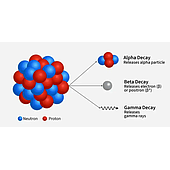
Radioactivity is the spontaneous transformation of unstable atomic nuclei, producing forms of radiation such as alpha, beta, and gamma radiation. Each type interacts with matter differently and therefore requires different measurement methods.
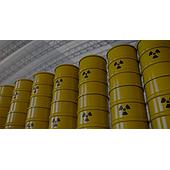

Radioactivity is the spontaneous transformation of unstable atomic nuclei, producing forms of radiation such as alpha, beta, and gamma radiation. Each type interacts with matter differently and therefore requires different measurement methods.

Ionizing radiation consists of particles or photons capable of ionizing matter. Understanding the characteristics of each type of radiation also provides a basis for selecting a suitable radiation meter and detector for the intended measurement.

External exposure, radioactive contamination, and internal exposure are related but distinct concepts. Understanding the differences helps identify the nature of a radiation hazard and determine appropriate monitoring methods.

This article explains common radiation quantities and units, helping distinguish radioactive activity, absorbed dose, and quantities used in radiation protection.

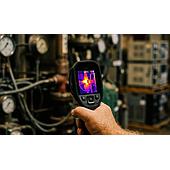
At the scene of a fire or rescue operation, the greatest obstacle facing emergency responders is not the flames themselves, but the darkness and thick smoke that render the naked eye virtually useless. Thermal imaging cameras address this challenge by bypassing visible light; instead, they rely on thermal radiation emitted by objects, people, or the fire itself to generate a visible image, even in pitch-black darkness or dense smoke

The Faith FT8340 series is a multi-channel battery simulation solution used for testing everything from startup to sleep mode, verifying each state to detect faults.

Superconducting material testing requires controlled high-current output, accurate measurement, and responsive power delivery. This overview explains the test requirements and the stated capabilities of the FaithTech FTG power supply.

Testing solutions for e-bike batteries, BMS evaluation, power controllers, and abnormal operating scenarios.

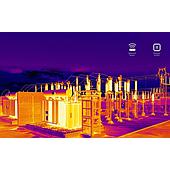
A terminal lug inside an electrical cabinet may gradually heat up—a change almost imperceptible to the naked eye. A motor bearing begins to rise in temperature even before any abnormal noise occurs. These changes often manifest quite early, yet maintenance teams typically only begin investigating the cause once the equipment shuts down or a circuit breaker trips

A multimeter can measure currents in the microampere (µA) range, but the reading captures only a momentary value. When is a DMM sufficient, and when is a specialized current meter required?
Get exclusive volume discounts, bulk pricing updates, and new product alerts delivered directly to your inbox.
By subscribing, you agree to our Terms of Service and Privacy Policy.
Direct access to our certified experts