Optical 3D Scanners Calibration Service
Accurate 3D measurement depends on more than scanner resolution alone. In day-to-day inspection, reverse engineering, and digital quality workflows, even a capable system can produce unreliable data if its measurement performance drifts over time. Optical 3D Scanners Calibration Service helps restore confidence in scan results by verifying and adjusting the scanner so it continues to deliver consistent, usable geometry data.
This service is relevant for companies that rely on structured light or other optical scanning systems for dimensional control, product development, mold inspection, prototyping, or documentation. Whether the scanner is used regularly on the shop floor or in a metrology room, periodic calibration is an important part of maintaining traceable and repeatable workflows.
Why calibration matters for optical 3D scanners
Optical scanners capture shape by analyzing how light interacts with a surface and converting that information into a digital 3D model. Because this process depends on the alignment and condition of the optical system, small deviations can affect point accuracy, dimensional repeatability, and the overall quality of mesh data. Calibration is therefore not just a maintenance task; it is part of protecting measurement reliability.
In practical terms, a scanner that is out of calibration may lead to poor alignment between scans, inconsistent dimensions, or uncertainty when comparing scanned data against CAD or reference geometry. For manufacturers and service providers working to tight tolerances, these issues can directly affect inspection results, reporting quality, and downstream engineering decisions.
What this service typically supports
An optical 3D scanner calibration service is generally used to check whether the scanner is performing within expected measurement conditions and to correct deviations where necessary. This can be especially important after frequent transport, long operating periods, environmental changes, or any event that could influence optical alignment.
The service is suitable for organizations using dedicated scanning systems in industrial design, quality assurance, tooling verification, and part digitization. It is also a sensible option before critical inspection projects, before internal validation work, or as part of a planned preventive maintenance schedule for metrology equipment.
Typical signs that calibration may be needed
Not every issue in a scanning workflow comes from the hardware itself, but recurring measurement inconsistency is often a strong signal. If operators notice unstable results between repeated scans, unexpected deviation in comparison reports, or growing difficulty in merging scan data, it may be time to review calibration status.
- Measurement results appear less repeatable than before.
- Alignment quality between captures has become inconsistent.
- Scanned dimensions no longer match expected reference values.
- The scanner has been moved, shipped, or used in a different environment.
- A regular service interval is due as part of internal quality control.
For teams that work with multiple additive and scanning devices, it can also be helpful to review related services such as 3D printer calibration support to keep the broader digital manufacturing workflow consistent from capture to output.
Supported brands and example calibration services
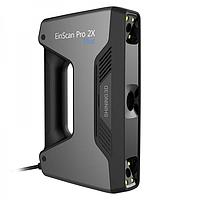
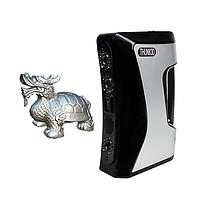
This category includes service options for widely used optical scanning systems, including solutions associated with Thunk3D and SHINING 3D. Rather than treating every scanner the same way, calibration should match the specific equipment family and intended measurement workflow.
Examples in this category include the Thunk3D Optical Scan 3D Scanners Calibration Service and the Shining 3D Scanner Calibration Service. These listings help users identify brand-relevant support more easily when maintaining existing scanning equipment or planning periodic service for installed systems.
How calibration fits into a broader measurement workflow
In industrial use, scanner calibration should be viewed as one part of a larger quality chain. Accurate scanning depends not only on the device itself, but also on stable setup conditions, correct software workflow, proper target handling where applicable, and disciplined inspection practice. When calibration is current, teams are in a better position to trust the data feeding design revisions, inspection reports, or digital archiving tasks.
This is particularly important when scanned data is used to support dimensional verification, tooling correction, or comparison against nominal CAD geometry. A properly maintained scanner reduces uncertainty in these tasks and helps avoid the cost of acting on questionable measurement results.
Choosing the right service for your scanner
When selecting a calibration service, the most important point is compatibility with the scanner brand and service requirement. Buyers should confirm that the service aligns with their equipment type, internal maintenance interval, and the practical demands of their application, whether that means routine verification or performance recovery after transport or extended use.
It may also be useful to compare this page with the broader optical 3D scanner calibration category if you are reviewing multiple service options for different installed devices. For companies operating mixed fleets, brand-specific service pages can make it easier to narrow down the correct calibration path.
When regular calibration adds the most value
Scheduled calibration is especially valuable in environments where scanned data informs engineering, compliance, or production decisions. If a scanner is used in customer-facing inspection work, prototype validation, or repeat measurement programs, maintaining stable performance can help reduce avoidable rework and support stronger process control.
Even when a scanner appears to function normally, preventive calibration can still be worthwhile. Optical systems may continue to operate while gradually shifting away from their expected measurement condition, so a planned service interval is often more efficient than waiting until data quality problems become obvious.
Keep your scanning results dependable
Reliable 3D scanning depends on both capable equipment and disciplined upkeep. This category is intended for users who need practical calibration support for optical scanners used in professional measurement and digitization workflows, with service options tied to established brands such as Thunk3D and SHINING 3D.
If your team depends on scan data for inspection, design, or reverse engineering, choosing the right calibration service can help preserve measurement accuracy, improve repeatability, and support more confident decisions across the entire digital workflow.
Get exclusive volume discounts, bulk pricing updates, and new product alerts delivered directly to your inbox.
By subscribing, you agree to our Terms of Service and Privacy Policy.
Direct access to our certified experts