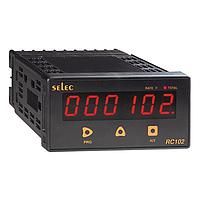
Signal Counter and Speed Meter Calibration Service
Accurate pulse counting and reliable speed indication are essential in many automation, testing, and maintenance environments. When a counter or speed meter drifts over time, even a small deviation can affect machine monitoring, process timing, equipment diagnostics, and production records. A professional Signal Counter and Speed Meter Calibration Service helps verify that these instruments continue to measure correctly under real operating expectations.
This category is intended for organizations that use signal counters and speed meters in industrial panels, control systems, machine monitoring, and electrical measurement applications. Whether the device is used for rotational speed, pulse input counting, event tracking, or signal-based process indication, calibration supports better traceability, more dependable readings, and more confident maintenance decisions.
Why calibration matters for signal counters and speed meters
These instruments often work in applications where pulses, frequency-related signals, or rotating equipment feedback must be interpreted correctly. Over time, normal wear, environmental conditions, electrical stress, and long service intervals can all influence performance. Calibration helps identify whether the displayed count or speed value still matches the expected input condition.
In practical terms, this matters wherever measurement accuracy affects machine setup, preventive maintenance, fault analysis, or process verification. If your team also manages related electrical indicators, services for panel current, voltage, power, and frequency meters can complement speed and counting instrument checks in the same maintenance program.
Typical applications in industrial and automation environments
Signal counters and speed meters are used across a broad range of systems, from production lines and packaging equipment to test benches and rotating machinery monitoring. They may be installed as panel instruments, integrated into machine control cabinets, or used in standalone measurement setups where pulse-based input signals are essential to the process.
Calibration is especially relevant when the instrument is used to confirm shaft speed, monitor event counts, validate machine cycle rates, or support troubleshooting. In environments where values are recorded over time, calibration can also support consistency alongside services such as data logger calibration for automation systems.
What this service category covers
This category focuses on calibration support for instruments designed to count electrical signals or indicate speed from signal input. The goal is to evaluate measurement behavior against known references and determine whether the device remains suitable for continued use. Depending on the instrument type, calibration may involve checking input response, counting accuracy, display behavior, and speed indication across relevant operating points.
Because users may work with different makes in one facility, this category includes representative services for brands commonly found in industrial settings. Examples in this range include calibration support for equipment from EXTECH, SELEC, Adtek, Watanabe, JFM, and Sansel, helping buyers find suitable service options for installed instruments from recognized manufacturers.
Representative services in this category
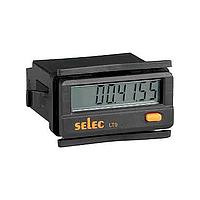
Several listed services illustrate the scope of supported equipment. Examples include the Adtek Signal counter and Speed meter Calibration Service, JFM Signal counter and Speed meter Calibration Service, Watanabe Signal counter and Speed meter Calibration Service, SELEC Signal counter and Speed meter Calibration Service, EXTECH Signal counter and Speed meter Calibration Service, and Sansel Signal counter and Speed meter Calibration Service.
These product entries should be read as brand-specific service options within the same measurement family, rather than as unrelated offerings. If your site or maintenance team is working with mixed installed brands, it can be useful to review both the required service category and the manufacturer context, such as the SELEC product range, to match the instrument correctly before arranging calibration.
How to choose the right calibration service
When selecting a service, the first step is to confirm the instrument type and intended measurement function. Some devices focus on pulse accumulation, while others emphasize rotational speed or rate indication. Even when two instruments appear similar on the front panel, the input method, signal format, operating range, and installation role can differ enough to affect service selection.
It is also useful to check where the meter is installed and how it is used in your process. A panel-mounted unit inside an automation cabinet may have different maintenance priorities than a laboratory or field instrument. If the meter interacts with motor control equipment or variable-speed systems, related services such as inverter calibration may also be relevant as part of a broader system-level review.
Benefits for maintenance, quality, and troubleshooting
A structured calibration service does more than confirm a reading on the display. It supports better maintenance planning by revealing whether an instrument remains stable, whether drift may be affecting machine interpretation, and whether replacement or adjustment should be considered. This is especially useful in plants where speed and count values influence alarms, control logic, maintenance thresholds, or production reporting.
For quality and engineering teams, calibration can improve confidence when comparing measured values across different machines or time periods. For maintenance teams, it reduces uncertainty during diagnostics by helping separate instrument issues from actual equipment faults. In both cases, dependable instrument performance supports more efficient troubleshooting and more consistent operational decisions.
Supported brands and service context
This category includes service options associated with manufacturers such as EXTECH, SELEC, Adtek, Watanabe, JFM, and Sansel. The purpose of mentioning these brands is to help buyers identify compatible service paths for installed equipment already in operation, not to suggest that every device shares the same design or calibration method.
When requesting service, clear identification of the manufacturer and model helps streamline evaluation and improve service matching. This is particularly important in B2B purchasing environments where maintenance teams manage multiple brands across lines, panels, or facilities and need calibration records that align with internal asset tracking.
Choosing a service category that fits your equipment portfolio
Signal counting and speed indication are often only one part of a larger electrical measurement ecosystem. Many organizations also maintain power meters, data loggers, inverters, and other automation-related instruments that need periodic verification. Grouping these services under a structured calibration plan can reduce downtime, simplify documentation, and improve consistency across departments.
If your operation depends on accurate pulse counting or speed indication for machine status and process control, this category provides a focused starting point for evaluating the right service option. Review the listed brand-specific entries, confirm the installed instrument details, and choose the calibration path that best matches your application, maintenance schedule, and measurement requirements.
Get exclusive volume discounts, bulk pricing updates, and new product alerts delivered directly to your inbox.
By subscribing, you agree to our Terms of Service and Privacy Policy.
Direct access to our certified experts