
Air Dryer Calibration Service
Stable, dry gas conditions are critical in many calibration and testing workflows. When an air dryer begins to drift, moisture control can become less predictable, which may affect downstream instruments, gas preparation steps, and the consistency of measurement results. A well-planned Air Dryer Calibration Service helps verify that drying performance remains aligned with the requirements of your process.
This category is intended for users who need dependable calibration support for air drying equipment used in gas handling, analytical setups, and related industrial applications. It is especially relevant where controlled gas quality supports accurate detector checks, analyzer verification, or broader environmental and process measurement tasks.
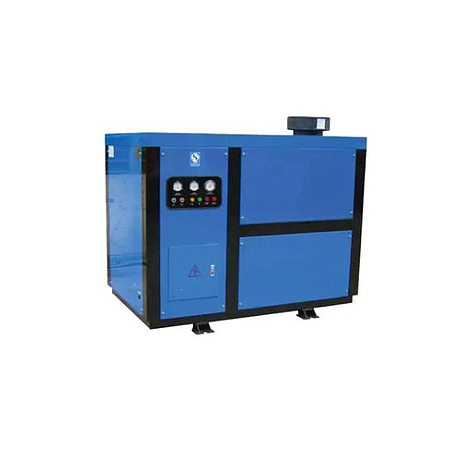
Why air dryer calibration matters
Air dryers are often part of a larger gas preparation chain, where they help reduce moisture before air or gas reaches sensitive instruments. If drying performance is not properly verified, excess humidity can influence readings, affect repeatability, or create uncertainty in applications that depend on clean and stable conditions.
Calibration service provides a structured way to assess whether the equipment is performing as expected. In practical terms, this supports measurement reliability, helps maintain confidence in operating data, and reduces the risk of avoidable process variation caused by moisture-related issues.
Where this service fits in industrial and laboratory workflows
Air dryer calibration is relevant across a wide range of technical environments, including maintenance programs, gas monitoring systems, and instrument support functions. It is commonly considered when air treatment equipment is used ahead of gas detectors, analyzers, or other devices that are sensitive to changes in moisture content.
In many facilities, this service is not treated as an isolated task. It is part of a broader calibration strategy alongside related services such as fixed gas meter calibration and combustion and emission gas analyzer calibration, depending on the overall system architecture.
What is typically evaluated during calibration
The exact calibration workflow can vary by equipment type and application, but the main purpose is to confirm that the dryer supports the intended operating condition. This may include verifying how the unit contributes to controlled gas preparation, whether its performance remains consistent over time, and whether the equipment still suits the measurement demands of the process.
For users managing quality-sensitive systems, calibration also helps identify early signs of drift or performance loss before they affect connected instruments. This is particularly important in environments where controlled moisture conditions are necessary for repeatable testing, compliance-related checks, or routine instrument validation.
Example service within this category
A representative offering in this category is the Acore Permeation Dryer Calibration Service. This service is relevant for permeation dryer applications where maintaining dependable drying behavior is an important part of the broader gas handling or calibration workflow.
For organizations already standardizing around Acore equipment or services, referencing a manufacturer-specific option can simplify service selection and help align calibration planning with the installed base. At the same time, the category remains useful as a general starting point for users evaluating calibration needs for air dryer equipment in similar technical settings.
How to choose the right calibration service scope
Selecting the right service depends on how the air dryer is used in your operation. A unit that supports a critical measurement process may require closer attention to service intervals, traceability expectations, and the effect that moisture variation could have on connected equipment. In less demanding setups, the main priority may be restoring confidence in routine operating performance.
It is also useful to consider the full instrument chain rather than the dryer alone. If your site manages portable detectors, analyzers, or environmental monitoring instruments, related services such as air quality meter calibration may be relevant within the same maintenance plan. Looking at the system as a whole often leads to better scheduling and more consistent results.
When recalibration should be considered
Recalibration is commonly reviewed as part of preventive maintenance, after extended operating periods, or whenever process confidence needs to be re-established. It may also be appropriate after transport, repair, changes in operating conditions, or any event that could affect the stability of the air dryer.
Another practical trigger is inconsistency elsewhere in the measurement chain. If downstream instruments show unexplained variation, one possible factor to review is the condition of the gas preparation stage. In that context, checking the dryer can help support a more efficient troubleshooting process and protect overall system performance.
Support for dependable gas preparation
Air drying equipment often plays a quiet but essential role in measurement quality. Because it sits upstream of many critical instruments, its condition can have a wider effect than expected. A dedicated calibration service helps confirm that this part of the system continues to support stable operating conditions and reliable technical decisions.
If your application depends on dry, consistent gas handling, this category provides a focused route to evaluate service options and plan calibration in a way that fits your maintenance workflow. For many users, that means fewer uncertainties, better alignment across connected instruments, and a more robust calibration program overall.
Get exclusive volume discounts, bulk pricing updates, and new product alerts delivered directly to your inbox.
By subscribing, you agree to our Terms of Service and Privacy Policy.
Direct access to our certified experts
