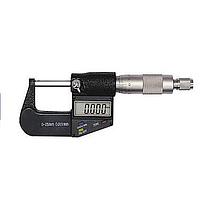
Micrometers Calibration Service
Reliable dimensional inspection starts with instruments that can be trusted at every point of use. When a micrometer is used for incoming inspection, machining verification, tool setup, or final quality control, even small measurement drift can affect tolerances, process capability, and product consistency. A professional Micrometers Calibration Service helps maintain confidence in measured values and supports better traceability in industrial environments.
This category is intended for businesses that need calibration support for external micrometers and related precision measuring tools used in manufacturing, maintenance, laboratories, and quality departments. Whether the goal is routine verification, periodic recalibration, or support for brand-specific equipment, the service focus is practical: confirm instrument performance, identify deviation, and keep measurement results dependable.
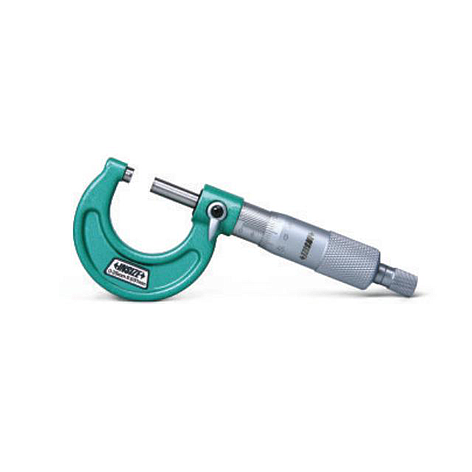
Why micrometer calibration matters in production and quality control
Micrometers are widely used where high-resolution dimensional measurement is required. Because they are often applied to tight tolerances on shafts, sheet parts, machined components, and finished assemblies, their accuracy directly affects inspection decisions. Regular calibration helps detect wear, zero shift, spindle issues, or measurement deviation before those problems influence product acceptance.
In many facilities, calibration is also part of a broader quality system. It supports internal audit readiness, measurement traceability, and more consistent comparison between operators, departments, and production lines. If your workflow also depends on other handheld dimensional tools, related services such as callipers calibration may be relevant alongside micrometer verification.
What is typically checked during a micrometer calibration service
A calibration process for micrometers generally focuses on the instrument’s ability to measure correctly across its intended range and under normal operating conditions. This usually includes checks such as zero position, repeatability, contact surface condition, and indication accuracy at selected points. The exact procedure depends on the instrument type and the calibration scope required by the user.
For industrial users, the value of calibration is not just the test itself, but the resulting evidence that the instrument remains suitable for use. A structured service can help maintenance teams and quality engineers separate instruments that are fit for continued operation from those that need adjustment, closer monitoring, or replacement planning.
Supported brands and service examples
This category includes calibration service options for commonly used brands in precision measurement. Examples include MITUTOYO, Mahr, MOORE & WRIGHT, LUTRON, and METROLOGY, allowing buyers to find services that align with equipment already deployed on the shop floor or in the inspection room.
Representative service listings in this category include Mitutoyo Micrometers Calibration Service, Mahr Micrometers Calibration Service, Moore & Wright Micrometers Calibration Service, Lutron Micrometers Calibration Service, and Metrology Micrometers Calibration Service. There is also a Yato Micrometers Repair Service for cases where the instrument issue may go beyond calibration and require corrective work before it can return to normal use.
How to choose the right service for your micrometers
Selecting the right service starts with understanding the role of the instrument in your process. A micrometer used for routine workshop checks may require a different service interval and documentation level than one used in final inspection or controlled quality environments. Users should consider the brand, the current condition of the instrument, its frequency of use, and the risk associated with incorrect measurement.
It is also useful to distinguish between calibration and repair. Calibration is intended to verify measurement performance, while repair addresses physical faults, wear, or functional damage that can prevent proper operation. If your measurement workflow includes other contact-based instruments, you may also want to review services such as depth gauge calibration or thickness gauge calibration to keep the full inspection chain under control.
When recalibration should be considered
Many companies schedule recalibration at fixed intervals, but actual service frequency should reflect operating conditions and measurement criticality. Instruments exposed to frequent use, shop-floor contamination, temperature variation, or accidental impact may need more frequent attention than tools used occasionally in stable inspection areas.
Recalibration should also be considered after unusual events such as dropping the instrument, inconsistent readings between operators, suspected wear on measuring faces, or unexpected variation in inspection results. These warning signs do not always mean the micrometer has failed, but they are strong reasons to verify performance before relying on the instrument again.
Calibration service in a broader metrology workflow
Micrometer calibration works best as part of a structured measurement management approach. Instead of treating each instrument separately only when problems occur, many organizations manage calibration by equipment type, usage location, and quality impact. This reduces the chance of overdue instruments and helps standardize inspection practices across multiple teams.
In environments where mechanical measurement tools are used together, calibration planning can be grouped across multiple categories. For example, hardness verification may require separate support through hardness meter calibration services, while dimensional checks continue to rely on properly maintained micrometers, callipers, and gauges. The result is a more consistent inspection system rather than isolated service activity.
Who this category is for
This category is relevant for manufacturers, machining workshops, quality assurance teams, maintenance departments, testing labs, and procurement teams sourcing metrology support for precision hand tools. It is also useful for organizations managing mixed-brand instrument fleets and looking for brand-aligned service options rather than a one-size-fits-all listing.
If your operation depends on accurate dimensional measurements, choosing the right micrometer calibration service helps reduce uncertainty in everyday inspection work. Reviewing the available service options by brand and application can make it easier to maintain reliable instruments, support traceable measurements, and keep quality decisions based on trustworthy data.
Get exclusive volume discounts, bulk pricing updates, and new product alerts delivered directly to your inbox.
By subscribing, you agree to our Terms of Service and Privacy Policy.
Direct access to our certified experts