Pull Off Tester for Concrete Calibration Service
Accurate bond strength testing depends not only on the condition of the concrete surface and test procedure, but also on the reliability of the instrument itself. When a pull-off tester drifts out of tolerance, the measured adhesion or tensile bond values can become difficult to trust, especially in quality control, coating inspection, repair verification, and construction material assessment. A professional Pull Off Tester for Concrete Calibration Service helps maintain confidence in test results and supports more consistent decision-making on site and in the lab.
Why calibration matters for concrete pull-off testing
A pull-off tester is used to evaluate the force required to detach a bonded dolly or test fixture from a concrete surface or applied coating system. Because the result is directly related to the applied tensile force, even small measurement errors can affect acceptance criteria, comparative testing, and technical reporting. Regular calibration helps verify that the instrument remains aligned with its intended measuring performance.
In practical terms, calibration supports measurement traceability, improves repeatability between tests, and reduces uncertainty when instruments are used across multiple projects. This is particularly important for contractors, testing laboratories, inspection teams, and asset owners who rely on defensible test records for maintenance, handover, or compliance workflows.
What this service is intended to support
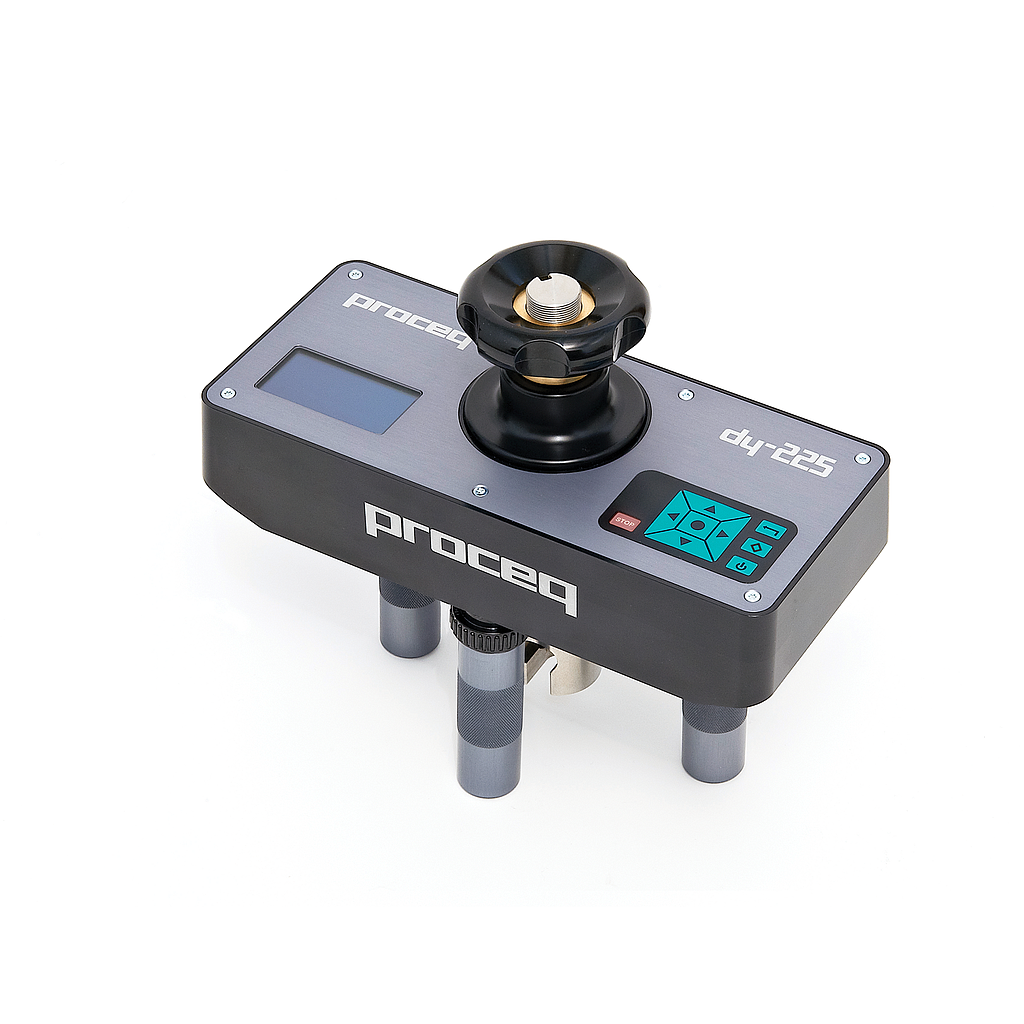
This category is focused on calibration services for concrete pull-off testing equipment, including instruments such as the Proceq Pull Off Tester For Concrete Calibration Service. The goal is not simply to check whether the device powers on, but to assess whether its force indication remains dependable for technical use.
For users working with concrete repairs, overlays, coatings, or surface preparation validation, calibrated equipment helps reduce disputes caused by questionable readings. It also supports more consistent internal quality procedures, especially when several technicians or project sites use the same tester fleet over time.
Typical situations where recalibration is recommended
Calibration intervals often depend on usage intensity, internal quality systems, and the criticality of the application. Instruments used frequently in field environments may be exposed to shock, dust, moisture, transport stress, or repeated loading, all of which can gradually affect performance. Recalibration is commonly considered after extended service periods, after suspected impact, or whenever readings appear inconsistent.
It is also sensible to schedule calibration before major testing campaigns, third-party inspections, or projects with strict documentation requirements. If your broader workflow includes rebound testing or other concrete assessment methods, related services such as concrete test hammer calibration may also be relevant for maintaining consistency across your inspection tools.
How pull-off tester calibration fits into a concrete testing workflow
Pull-off testing is often one part of a larger evaluation process rather than a standalone activity. In many projects, bond strength results are reviewed alongside cover measurement, rebar location, surface condition, permeability-related data, or non-destructive assessment methods. Keeping each instrument calibrated helps improve the quality of the overall testing chain, not just one isolated reading.
For example, projects involving reinforced concrete investigation may also depend on services for cover meter and rebar detector calibration. Where subsurface evaluation is needed, concrete ultrasonic detector calibration can complement bond strength testing within the same quality framework.
Equipment brand context and service relevance
Many users in this segment work with instruments from PROCEQ, a recognized name in concrete and structural testing applications. When discussing calibration, the brand matters mainly because service planning, device handling, and documentation expectations are often tied to the specific instrument family in use. That said, the calibration objective remains the same: to confirm that the tester is suitable for reliable force-based measurement.
Rather than treating calibration as a routine formality, technical teams usually see it as part of a broader asset management process. A properly maintained and periodically checked tester can help reduce downtime, improve trust in field results, and support cleaner reporting when test data is reviewed by clients, consultants, or auditors.
What to consider when arranging a calibration service
Before sending a pull-off tester for calibration, it is helpful to review how the instrument is currently being used. Consider the frequency of testing, the environments where the device operates, whether it has experienced impact or abnormal loading, and how critical the resulting data is to project acceptance. These factors can influence service timing and internal calibration policy.
It is also useful to confirm the exact instrument identity and service scope in advance, especially for organizations managing multiple concrete testing devices. Clear records for calibration history, service dates, and instrument condition make it easier to plan future maintenance and avoid interruptions during active inspection schedules.
A practical approach to maintaining reliable bond strength measurements
Concrete pull-off testing is often used where results carry real technical and commercial weight, from repair approval to coating adhesion assessment. In that context, calibration is a practical step toward more dependable measurements rather than an administrative afterthought. It helps align equipment performance with the level of confidence expected in professional testing work.
If your team uses pull-off testers as part of a broader concrete evaluation program, selecting the right calibration service can help keep data quality consistent across projects. A well-managed calibration schedule, combined with proper handling and documented service history, gives users a more reliable foundation for everyday testing and long-term equipment control.
Get exclusive volume discounts, bulk pricing updates, and new product alerts delivered directly to your inbox.
By subscribing, you agree to our Terms of Service and Privacy Policy.
Direct access to our certified experts