
Soldering, remove, assemble electronic circuit, SMT Calibration Service
Accurate assembly and rework in electronics manufacturing depend on more than operator skill alone. When soldering tools, SMT support equipment, and inspection-related instruments drift out of tolerance, the result can be unstable process temperatures, inconsistent joints, avoidable defects, and unreliable quality records. A structured Soldering, remove, assemble electronic circuit, SMT Calibration Service helps keep critical equipment aligned with the measurement confidence required in production, maintenance, and quality control environments.
Why calibration matters in soldering and SMT workflows
Electronic assembly processes involve a combination of heat control, counting, inspection, and verification. Even small deviations in temperature indication, timing behavior, or measurement response can affect solder wetting, component placement confidence, and the repeatability of rework operations. In practical terms, calibration supports more stable process control and helps teams reduce uncertainty during production and troubleshooting.
For facilities handling PCB assembly, repair, and SMT line support, calibration is also closely tied to documentation and traceability. Service records can support internal quality systems, maintenance planning, and periodic verification programs, especially where equipment performance needs to be reviewed across multiple workstations or production shifts.
Scope of calibration for electronic circuit assembly equipment
This category is centered on equipment used in soldering, desoldering, assembly, and SMT-related processes. The service scope typically covers instruments and support devices that influence process accuracy, operator verification, or quality checks in electronics production environments. Rather than treating every device as a stand-alone tool, calibration should be viewed as part of a wider process chain that affects assembly consistency from setup through inspection.
Within this area, users commonly need calibration for supporting equipment such as temperature verification devices, counting tools, and inspection systems associated with SMT and electronic circuit work. If your workflow also depends on broader electrical test instruments, related support may be relevant through electrical and electronic meter calibration for a more complete maintenance and quality program.
Typical equipment groups covered in this category
One important group includes equipment used to verify soldering process temperature. This is especially relevant when teams need confidence that station settings and actual thermal output remain aligned over time. Reliable temperature verification contributes to better process repeatability, particularly in rework, hand soldering, and controlled assembly tasks where thermal exposure directly affects component integrity and solder joint quality.
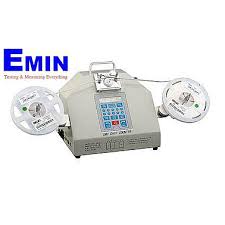
Another common group includes devices used to support SMT material handling and production preparation, such as component counting equipment. These tools may not apply heat directly, but they still play a role in workflow accuracy, stock control, and operational efficiency. Inspection-related equipment connected to electronic assembly is also relevant where measurement confidence supports defect detection and quality assurance.
How calibration supports quality and process stability
A well-planned calibration interval helps identify drift before it causes visible production issues. In electronics assembly, many faults appear first as process inconsistency rather than complete equipment failure. Examples include variable heating response, unexpected reading offsets, or reduced confidence in verification tools used during setup and inspection. Calibration helps detect these issues early and supports corrective action before they affect larger production batches.
Calibration also improves decision-making when evaluating process capability and maintenance priorities. Instead of relying only on operator perception or pass/fail observations, teams can use periodic calibration data to compare equipment behavior over time. For organizations with broader instrument fleets, this approach works well alongside services such as mechanical measuring instruments calibration when dimensional verification is also part of the production process.
Choosing the right service for your equipment mix
The most suitable service approach depends on the role each instrument plays in your process. Some devices are directly tied to thermal control, while others support inspection, counting, or process confirmation. A useful starting point is to group equipment by function: production-critical tools, verification instruments, and supporting devices. This makes it easier to define calibration priority and avoid treating all assets the same way.
For example, if your operation includes visual inspection systems beyond SMT-specific tools, you may also want to review video borescope and camera calibration services. Where electronic troubleshooting and waveform validation are part of line maintenance or failure analysis, oscilloscopes and logic analyzers calibration can complement this category naturally.
When to schedule calibration
Calibration frequency is usually influenced by equipment usage, process criticality, operating environment, and internal quality requirements. Tools used daily in production or rework areas often need closer monitoring than backup units or low-use equipment. High-throughput environments, frequent thermal cycling, and repeated handling can all increase the likelihood of drift or performance changes over time.
Many organizations schedule calibration annually, but that interval is not universal. If a device supports critical acceptance checks or directly affects soldering quality, a shorter interval may be worth considering. A practical review of usage history, prior calibration results, and maintenance records can help determine a more suitable schedule for each equipment group.
Benefits for production, maintenance, and compliance teams
For production teams, calibration contributes to more predictable assembly conditions and fewer process-related surprises. For maintenance teams, it provides a structured way to confirm equipment condition instead of relying only on visible faults. For quality teams, it supports records that are easier to track, review, and align with internal control procedures.
This matters particularly in environments where multiple benches, operators, or SMT work cells need consistent results. Calibration helps create a common reference point across equipment sets, making it easier to compare outcomes, investigate process variation, and sustain repeatable performance across the line.
Supporting a more reliable SMT and electronics assembly operation
Calibration is most effective when it is integrated into the wider equipment management routine rather than handled as an isolated administrative task. Reviewing instrument criticality, service history, and process impact helps prioritize the tools that matter most. In electronics assembly, that usually means giving close attention to devices involved in temperature verification, process support, counting, and inspection.
For organizations looking to improve consistency in soldering, rework, and SMT-related operations, this category provides a focused starting point for maintaining trustworthy equipment performance. A clear calibration plan can help reduce uncertainty, support quality objectives, and keep electronic circuit assembly processes operating with better control over time.
Get exclusive volume discounts, bulk pricing updates, and new product alerts delivered directly to your inbox.
By subscribing, you agree to our Terms of Service and Privacy Policy.
Direct access to our certified experts