
Soldering Temperature tester Calibration Service
In SMT production, a small deviation in thermal measurement can lead to unstable solder joints, rework, or unnecessary process adjustments. When a temperature verification tool is used to check soldering performance, its own accuracy needs to be confirmed regularly so that process decisions are based on reliable data. That is where Soldering Temperature tester Calibration Service becomes important for quality control and traceable maintenance planning.
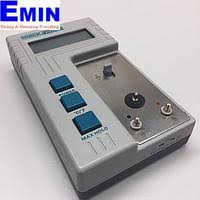
Why calibration matters in soldering temperature measurement
Soldering temperature testers are commonly used to verify whether a soldering process is operating within the intended thermal range. In electronics assembly and SMT environments, inaccurate readings can affect process validation, operator confidence, and product consistency. Calibration helps confirm that the tester is measuring within acceptable tolerance and performing as expected over time.
This is especially relevant when temperature data is used for setup checks, maintenance routines, or quality documentation. A calibrated instrument supports more dependable comparisons between stations, shifts, or production lines, while also reducing the risk of troubleshooting based on incorrect measurement results.
Typical situations where this service is needed
Calibration is often scheduled as part of a periodic preventive maintenance program, but it is also useful after heavy use, suspected measurement drift, repair work, or before internal audits. If a soldering process begins showing inconsistent thermal results, checking the tester itself is a practical first step before changing machine settings or replacing consumables.
Organizations working in controlled production environments may also require documented calibration status for inspection readiness and internal quality procedures. In that context, keeping temperature test equipment properly calibrated helps maintain confidence in the broader soldering verification workflow.
What this category supports in an SMT quality workflow
This service category is relevant for businesses that rely on thermal verification during soldering, rework, and electronic assembly operations. It fits naturally into a broader equipment control strategy where measuring tools, inspection systems, and support devices are reviewed on a planned cycle rather than only when a problem appears.
For companies managing multiple process checks, calibration of a soldering temperature tester may be considered alongside other service needs such as component counter calibration or X-ray inspection machine calibration. This approach helps create a more consistent and manageable calibration program across the SMT line.
Key benefits of calibrating a soldering temperature tester
The first benefit is measurement confidence. When a tester is calibrated, users can interpret readings with a clearer understanding of whether the device is still aligned with expected performance. This supports more reliable verification of soldering conditions and reduces uncertainty during process checks.
The second benefit is process stability. Temperature-related decisions affect solder quality, component protection, and repeatability. If the measurement tool drifts, even well-run processes can appear unstable. Regular calibration helps keep maintenance, troubleshooting, and process tuning grounded in dependable measurement data.
A third benefit is stronger documentation for internal quality systems. In many production environments, calibration records form part of routine equipment control. This can be useful not only for audits, but also for service history tracking and long-term equipment management.
How to decide when calibration should be scheduled
Calibration intervals depend on how frequently the tester is used, how critical the measurement is to the process, and how the instrument is handled and stored. Tools used in high-volume production or in frequent verification tasks may need more regular review than those used occasionally. Exposure to harsh handling, repeated thermal stress, or uncertain service history can also justify shorter intervals.
A practical schedule is usually based on actual use conditions, prior calibration results, and internal quality requirements. If your workflow includes related verification tools, it may be helpful to align schedules where possible, such as pairing this service with a temperature tester calibration service review cycle or coordinating broader SMT equipment checks.
How this service fits into broader equipment reliability
Soldering quality is rarely determined by one tool alone. It depends on the interaction between process settings, operator practice, thermal verification, and inspection results. Because of that, calibration should be viewed as part of a wider equipment reliability strategy rather than an isolated maintenance task.
For example, if a production team is already reviewing thermal behavior, it may also be relevant to look at associated verification steps and supporting services such as soldering temperature tester calibration. Coordinated service planning helps reduce downtime, improves traceability, and supports a more systematic quality process across assembly operations.
Choosing a suitable calibration service approach
When evaluating a calibration service, the main consideration is whether it supports your operational and documentation needs. Many buyers look for a service process that is clear, repeatable, and suitable for industrial quality environments, especially when instruments are tied to process verification or formal maintenance records.
It is also helpful to consider how calibration fits with turnaround expectations, equipment criticality, and the need to maintain traceable service history. A well-managed calibration routine makes it easier to compare results over time, identify drift trends, and keep important measurement tools ready for production use.
Supporting more reliable soldering verification
Accurate thermal checking plays a direct role in soldering consistency, fault reduction, and day-to-day process control. A dedicated calibration service for soldering temperature testers helps ensure that the instrument used to verify heat-related performance remains dependable as part of the overall SMT workflow.
Whether you are building a routine maintenance schedule or reviewing equipment used in electronics assembly, this category supports a more controlled approach to temperature verification. With regular calibration and sensible service planning, teams can make process decisions with better confidence and maintain stronger quality discipline across production.
Get exclusive volume discounts, bulk pricing updates, and new product alerts delivered directly to your inbox.
By subscribing, you agree to our Terms of Service and Privacy Policy.
Direct access to our certified experts