
Component Counters Calibration Service
Accurate component counting is a small step in the SMT process, but it has a direct impact on inventory control, production planning, and traceability. When counter readings drift or the equipment is not verified regularly, the result can be material shortages, incorrect stock records, and avoidable production delays. A well-managed Component Counters Calibration Service helps maintain confidence in counting results and supports more stable day-to-day operation.
In electronics manufacturing and material handling environments, component counters are often used continuously and under varying workloads. Regular calibration helps confirm that the device is performing within expected limits, reduces uncertainty during incoming and outgoing reel checks, and supports internal quality procedures. This is especially relevant where count accuracy affects replenishment decisions, line feeding, and reconciliation of component usage.
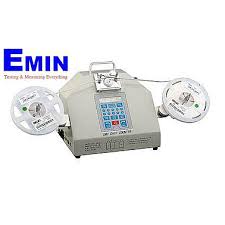
Why calibration matters for component counters
Component counters are commonly used to verify remaining quantities on reels and to support warehouse, kitting, and production activities. Over time, normal wear, environmental conditions, operator usage, and transport can influence measurement consistency. Calibration helps identify these deviations before they create larger operational problems.
For many companies, calibration is not only about technical accuracy but also about process reliability. When counting equipment is checked at defined intervals, teams can work with more confidence in stock data and reduce disputes between inventory records and actual reel quantities. This can be particularly useful in high-mix, fast-turn manufacturing where even small counting errors may disrupt line readiness.
What this service supports in SMT and electronics workflows
A component counter is often part of a broader ecosystem that includes receiving inspection, storage, line preparation, and materials return. Calibration supports these workflows by helping ensure that count-based decisions are made from dependable equipment performance. In practical terms, this can improve material visibility and reduce unnecessary recounting.
In facilities that also rely on test and inspection equipment, calibration planning is often handled as part of a wider maintenance and quality program. For example, businesses managing related tools may also review services such as X-ray inspection machine calibration to keep inspection capability aligned with production requirements.
Typical reasons to schedule a calibration check
Calibration is usually considered after a defined service interval, after relocation of the equipment, or when there are signs of inconsistent results during routine use. A mismatch between expected reel quantity and measured count, frequent recounting, or concerns raised during internal audits can all be signs that the device should be checked.
It is also good practice to include counters in a periodic review when your site manages multiple calibrated tools across SMT operations. Alongside this service, some organizations also evaluate related equipment such as soldering temperature tester calibration to support consistency across assembly and verification processes.
What to consider when choosing a calibration service
When selecting a service for component counters, it is important to look beyond a simple pass or fail result. The service should fit your operational needs, support your internal quality documentation, and be appropriate for the way the equipment is used in your facility. Clear reporting and a practical understanding of SMT material handling are often just as important as the calibration event itself.
It is also helpful to consider turnaround expectations, service scope, and how the calibration record will be used in your audit or maintenance process. For companies operating several types of counting and verification tools, a structured calibration approach can simplify planning and reduce unplanned downtime. If your process includes related equipment, reviewing options for component counter calibration support as part of a wider equipment program can make scheduling easier.
Benefits for inventory accuracy and production continuity
The main value of calibration is not limited to the instrument itself. Reliable counting contributes to more accurate inventory data, better replenishment decisions, and fewer interruptions caused by material uncertainty. This is particularly important where reels are partially used, returned to stock, or transferred between storage and production.
From an operational perspective, count accuracy helps reduce manual verification time and supports smoother communication between warehouse, planning, and manufacturing teams. In environments with traceability requirements, calibrated equipment also helps reinforce the credibility of count records used for control and reporting.
How calibration fits into broader equipment control
Many manufacturers build calibration into a wider framework of preventive maintenance, inspection, and quality assurance. In that context, component counters are one of several devices that influence the reliability of production support activities. Keeping them under control helps create a more predictable process, even though the equipment itself may seem secondary compared with assembly or inspection machines.
Where a site manages multiple calibrated assets, grouping services logically can make administration easier. Some teams, for example, review counting tools together with other production support equipment such as component counting equipment services and broader verification tasks tied to SMT operations. This approach can help standardize intervals, records, and service planning.
When this category is relevant for your business
This category is particularly relevant for electronics manufacturers, EMS providers, SMT assembly lines, and material control teams that depend on reliable reel counting. It is also useful for organizations that must maintain documented control of production-support equipment as part of customer, internal, or quality system requirements.
If component availability, stock accuracy, and material reconciliation are important to your operation, regular calibration of counting equipment is a practical step. It helps reduce uncertainty, supports equipment verification, and contributes to a more consistent flow of materials from storage to the production line.
Conclusion
Stable counting performance supports much more than warehouse convenience; it affects planning accuracy, material readiness, and confidence in daily SMT operations. A properly managed Component Counters Calibration Service helps ensure that your counting equipment remains a dependable part of the production support chain.
For businesses looking to strengthen equipment control across assembly and inspection workflows, this service is a sensible part of a broader calibration strategy. By keeping component counters verified at appropriate intervals, teams can reduce avoidable discrepancies and support more reliable manufacturing execution.
Get exclusive volume discounts, bulk pricing updates, and new product alerts delivered directly to your inbox.
By subscribing, you agree to our Terms of Service and Privacy Policy.
Direct access to our certified experts