
Smoke Sensor Tester Calibration Service
Reliable verification of smoke detection equipment starts with confidence in the test instrument itself. When a smoke sensor tester is used for inspection, commissioning, maintenance, or compliance work, its readings and response behavior need to remain consistent over time. A professional Smoke Sensor Tester Calibration Service helps reduce uncertainty, supports traceable measurement practices, and keeps test workflows aligned with site and quality requirements.
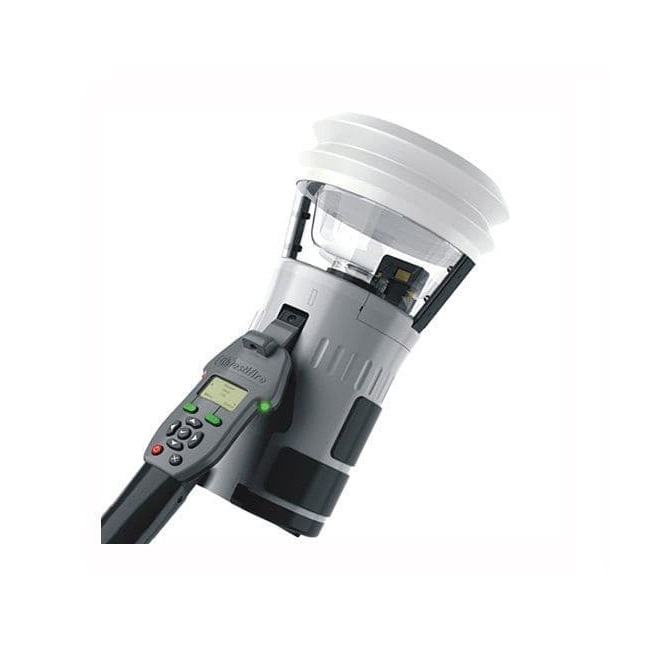
For maintenance teams, fire safety contractors, laboratories, and industrial facilities, calibration is not only about meeting documentation needs. It also helps confirm that the tester responds correctly under controlled conditions, so field decisions are based on dependable instrument performance rather than drift, wear, or unnoticed deviation.
Why calibration matters for smoke sensor testers
Smoke sensor testers are commonly used in environments where detection performance has direct implications for safety, maintenance quality, and system reliability. Over time, normal handling, transport, environmental exposure, and repeated use can affect how a tester behaves. Calibration provides a structured way to evaluate that performance against known references.
This process is especially important when instruments are part of scheduled inspection programs or are used to support documented service records. A calibrated tester helps technicians work with greater confidence when checking response behavior, comparing results across service intervals, or investigating inconsistent detector performance.
What this service is intended to support
A calibration service for smoke sensor testers is typically relevant for organizations that need dependable test equipment across regular maintenance cycles. This includes service providers working on fire detection systems, facility engineering teams, building operations, and quality-focused industrial users who rely on specialty meters in controlled procedures.
In practice, calibration supports several common needs: maintaining measurement consistency, improving repeatability between technicians or sites, and supporting internal quality systems. It can also be a practical step before audits, after extended storage, or whenever there is reason to question instrument performance following impact, repair, or unusually heavy use.
Typical points checked during calibration
While the exact procedure depends on the instrument design and calibration method, the goal is to assess whether the tester remains within acceptable operating behavior. This may include reviewing response characteristics, verifying output or indication behavior, and confirming that the instrument performs as expected under defined test conditions.
Calibration also helps identify signs of measurement drift, unstable response, or deviations that may not be obvious during routine use. For organizations managing multiple specialty instruments, this kind of evaluation is part of a broader equipment control process that can improve maintenance planning and reduce avoidable troubleshooting time in the field.
When to schedule smoke sensor tester calibration
The right calibration interval depends on usage intensity, operating environment, criticality of the application, and internal quality requirements. Instruments used frequently across multiple job sites may require closer attention than those used occasionally in controlled indoor conditions. If the tester supports compliance-related inspections, documented intervals are especially important.
Many users schedule calibration annually, but interval decisions should also consider service history and risk. It is often wise to calibrate after physical shock, suspected inaccuracy, prolonged inactivity, or before a major inspection cycle. If your workflow includes other specialized test tools, related services such as laser power meter calibration or coating thickness meter calibration may also be relevant within the same asset management program.
Choosing a calibration service for specialty test equipment
When evaluating a service option, it helps to look beyond the category name and consider how the calibration process fits your operational needs. Important factors often include traceability practices, documented results, turnaround expectations, and whether the service provider regularly handles specialty meters used in technical or regulated environments.
It is also useful to think about service continuity across different instrument types. Organizations that maintain a broader fleet of niche test devices may benefit from coordinating calibration planning across related categories, such as compressed air and gases tester calibration or color assessment cabinet calibration, depending on the scope of their operations.
Benefits for maintenance teams and compliance workflows
A well-managed calibration program can make routine testing more predictable. Technicians spend less time second-guessing instrument behavior, supervisors gain better documentation for service records, and organizations can track calibration status more effectively across critical tools. This is particularly helpful where multiple teams share equipment or where results must remain consistent across sites.
Calibration can also support stronger process control. Instead of reacting only when a tester appears faulty, scheduled verification introduces a preventive layer that helps catch issues earlier. That approach can improve reliability in inspection work and support better long-term control over equipment lifecycle and maintenance quality.
Supporting a dependable testing program
Smoke sensor testers are part of a practical field workflow, but their value depends on trustworthy performance. Regular calibration helps maintain that trust by confirming the instrument remains fit for use and by providing documented evidence that supports technical decision-making.
If your team depends on smoke detection test equipment for inspection or maintenance tasks, choosing a structured Smoke Sensor Tester Calibration Service is a sensible step toward more consistent results, clearer records, and better confidence in day-to-day testing activities.
Get exclusive volume discounts, bulk pricing updates, and new product alerts delivered directly to your inbox.
By subscribing, you agree to our Terms of Service and Privacy Policy.
Direct access to our certified experts