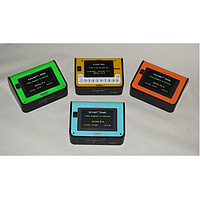
Velocity of Detonation Meter Calibration Service
Reliable measurement is essential when working with instruments used to verify detonation velocity. In environments where test accuracy, traceability, and repeatability matter, a professional Velocity of Detonation Meter Calibration Service helps keep specialized equipment performing within expected limits and supports more dependable test results over time.
For laboratories, defense-related testing activities, research facilities, and other technical users handling velocity of detonation measurements, calibration is not simply a routine maintenance step. It is part of a broader quality process that helps confirm instrument response, identify drift, and reduce uncertainty before measurement errors affect critical work.
Why calibration matters for detonation velocity measurement
Velocity of detonation instruments are used in highly specialized applications where timing and signal interpretation are fundamental to the measurement process. Even small deviations can influence reported values, which is why regular calibration is important for users who need confidence in the instrument’s behavior and data consistency.
A structured calibration service helps verify that the meter is operating correctly, supports documented quality systems, and provides a clearer basis for comparing measurements across test events or over longer operating periods. This is especially relevant when the instrument is part of a controlled workflow, internal validation process, or formal inspection program.
What a calibration service typically helps you confirm
Although the exact procedure depends on the instrument design and the service scope, calibration for this type of specialty meter generally focuses on confirming the meter’s measurement performance against appropriate reference methods or standards. The goal is to evaluate whether the device remains suitable for its intended use rather than relying only on field assumptions.
In practice, users often look for evidence of measurement stability, signal response consistency, and documented results that can be reviewed internally. A good service process also helps identify whether the instrument shows signs of drift, whether adjustment may be required, and whether the unit should be returned to operation, monitored more closely, or removed from active use until resolved.
Suitable users and application context
This category is intended for organizations using dedicated equipment to measure or verify detonation velocity in controlled technical settings. Typical needs may come from research and development teams, test laboratories, validation environments, or industrial users handling specialized energetic material measurement workflows.
Because these instruments sit within a narrow and technically demanding niche, calibration requirements are often different from more common electrical or process measurement devices. That is one reason many buyers look specifically for a specialized service instead of a generic calibration route. If your broader operation also relies on other niche instruments, related services such as laser power meter calibration or coating thickness meter calibration may also be relevant within the same maintenance planning cycle.
Representative service option in this category
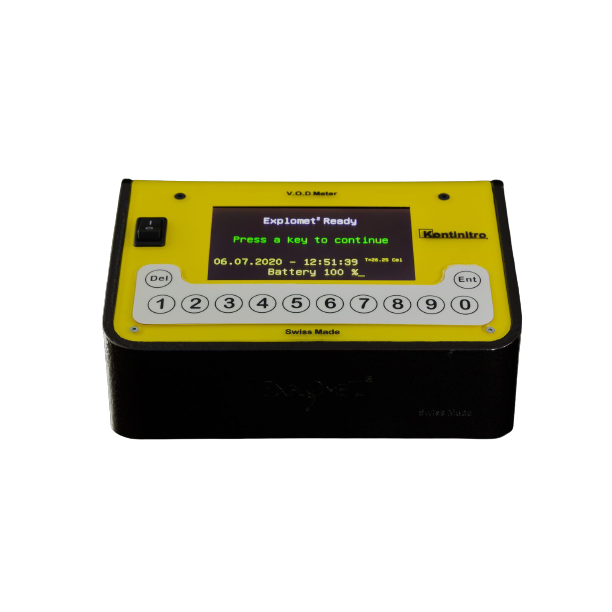
One example available in this category is the Kontinitro SA Detonating Velocity Measuring Calibration Service. This service is associated with Kontinitro, a manufacturer focused on this specialized measurement field.
For buyers who already operate compatible Kontinitro equipment, choosing a service aligned with the original instrument ecosystem can simplify evaluation and documentation. It can also make it easier to match the calibration request to the type of meter already in use, especially when the instrument is part of an established internal method or dedicated testing setup.
How to choose the right calibration path
When selecting a calibration service for a velocity of detonation meter, it helps to begin with the actual role of the instrument in your process. Some users need periodic verification to support internal quality assurance, while others may require calibration before a defined project, after heavy use, after suspected drift, or following storage and transport conditions that could affect performance.
It is also useful to consider the instrument manufacturer, the service history, the condition of the unit, and the level of documentation your organization requires. In a technical purchasing context, the right choice is usually the one that aligns with your measurement workflow, traceability expectations, and maintenance schedule rather than a one-size-fits-all service approach.
If your team manages multiple specialty instruments, grouping service planning by equipment type can improve turnaround and recordkeeping. In the same broader service area, users may also review options such as compressed air and gases tester calibration service or color assessment cabinet calibration service when maintaining a wider set of specialized instruments.
When to send a meter for calibration
Calibration intervals depend on usage intensity, environmental conditions, internal procedures, and the criticality of the measurement. Instruments used frequently, exposed to demanding conditions, or relied on for sensitive testing decisions often benefit from more disciplined calibration scheduling.
Beyond routine intervals, there are practical situations where service should be considered sooner. Examples include inconsistent readings, unexplained shifts in measurement behavior, recent repair work, physical shock, long storage periods, or any event that raises doubt about the instrument’s current performance. In these cases, calibration serves as a practical check on whether the meter remains fit for purpose.
Documentation and quality considerations
For many B2B buyers, calibration is as much about documentation as it is about the instrument itself. Service records can support internal audits, maintenance files, quality management systems, and project traceability requirements. Clear documentation also helps teams understand the condition of the equipment over time instead of treating each service event as an isolated transaction.
From a lifecycle perspective, traceable calibration supports more informed decisions about continued use, preventive maintenance, and replacement planning. It gives engineering, lab, and procurement teams a more reliable basis for managing specialized assets whose performance may directly affect test confidence and operational accountability.
Supporting dependable results in specialized testing
Choosing a calibration service for this class of instrument is ultimately about maintaining confidence in a very specific measurement task. With a focused specialty meter service, organizations can better manage instrument accuracy, maintain service records, and reduce the risk of relying on unchecked measurement data in critical applications.
If your operation depends on detonation velocity measurement equipment, this category provides a practical starting point for evaluating the right service option. A well-matched calibration program helps keep specialized meters aligned with real operating needs and supports more consistent results across the full measurement workflow.
Get exclusive volume discounts, bulk pricing updates, and new product alerts delivered directly to your inbox.
By subscribing, you agree to our Terms of Service and Privacy Policy.
Direct access to our certified experts