
Cable Fault Tester Inspection Service
When a cable fault locator or cable fault tester is used in power distribution, facility maintenance, or infrastructure troubleshooting, measurement reliability matters just as much as the instrument itself. In practice, inaccurate readings can slow down fault isolation, extend downtime, and create unnecessary uncertainty during field or workshop testing. A professional Cable Fault Tester Inspection Service helps confirm that the equipment is operating correctly and remains suitable for the tasks it is assigned to perform.
This service is especially relevant for organizations that depend on repeatable electrical diagnostics, whether for preventive maintenance, repair work, or verification before commissioning. Regular inspection supports better traceability, improves confidence in test results, and helps users identify performance drift before it affects actual cable testing work.
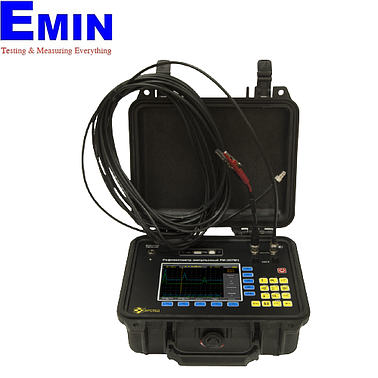
Why inspection matters for cable fault testing equipment
Cable fault testers are used to investigate faults such as open circuits, short circuits, insulation degradation, or location-related issues in electrical cabling. Because these instruments are often involved in troubleshooting critical systems, their condition has a direct impact on maintenance efficiency and decision-making. An inspection process helps verify whether the tester responds appropriately, indicates values consistently, and remains fit for continued use.
For many maintenance teams, inspection is part of a broader equipment control process. It can support internal quality procedures, scheduled maintenance programs, and documentation requirements for industrial sites, utilities, contractors, and technical service providers. Where multiple electrical test instruments are used together, consistent inspection intervals also make day-to-day operations easier to manage.
What this service typically helps you confirm
A cable fault tester inspection service is generally intended to evaluate the overall condition and measurement behavior of the instrument. Depending on the device type and use environment, this may include checking core functions, display or indication behavior, operating response, and whether the unit performs in a stable and understandable manner for practical testing work.
Inspection is also valuable for identifying wear, handling-related issues, or signs that the device should be reviewed further before being returned to service. This is particularly important for instruments used in demanding field conditions, where transport, repeated connection cycles, and variable site environments can gradually affect accuracy and usability. In this sense, inspection contributes to both measurement confidence and operational continuity.
Suitable applications and user environments
This category is relevant to companies and technical teams that use cable testing instruments in electrical maintenance, building services, utilities, industrial plants, construction projects, and infrastructure support. It is also useful for organizations that manage a fleet of test equipment and need a structured way to maintain inspection records across different device types.
Where cable fault diagnosis is part of a wider electrical verification workflow, users may also need related services for other instruments. For example, teams working with continuity or conductor integrity checks may also review a low resistance meter inspection service as part of the same maintenance planning cycle.
Benefits of regular inspection in maintenance workflows
Routine inspection helps reduce uncertainty when test results are used to make repair or replacement decisions. A verified instrument is easier to trust during time-sensitive troubleshooting, especially when teams need to narrow down the probable location or nature of a cable issue without unnecessary rework. This can support faster diagnosis and more consistent reporting.
There is also a practical asset-management benefit. Scheduling inspection at appropriate intervals can extend awareness of instrument condition, make service planning more predictable, and reduce the chance that an unnoticed problem will disrupt a job. For organizations handling several categories of electrical testers, related services such as withstand voltage test inspection may be relevant where insulation verification is part of the same workflow.
How to decide when your cable fault tester should be inspected
The right inspection timing depends on how frequently the instrument is used, the environments it is exposed to, and how critical its results are to your work. Devices used regularly in field service, exposed to transport stress, or relied on for important maintenance decisions often benefit from more disciplined inspection scheduling than instruments kept mainly as occasional backup units.
It is also sensible to arrange inspection after unusual events, such as impact, storage under poor conditions, unexpected behavior during testing, or periods of heavy use. If your team works across a broader electrical test scope, you may also want to align service intervals with other devices, such as a breaker testing equipment inspection service, to simplify maintenance planning and equipment availability.
Choosing a service with the right technical fit
Not all electrical test instruments are used in the same way, so inspection should be matched to the role of the equipment in the field. For cable fault testers, the main priority is ensuring the instrument remains dependable for fault diagnosis and related electrical verification tasks. A suitable service should therefore focus on the practical condition and performance of the tester in relation to its intended use.
It can also be helpful to consider the wider testing ecosystem in your facility or organization. For example, where material insulation characteristics are part of broader evaluation work, an insulating materials tester inspection service may complement cable and electrical tester maintenance programs without overcomplicating asset control.
Supporting reliable electrical testing over time
Electrical troubleshooting depends on instruments that remain stable, understandable, and ready for use when needed. A structured inspection service for cable fault testers helps organizations maintain confidence in their tools, reduce avoidable downtime, and support better decisions during fault investigation and maintenance work.
For teams responsible for electrical reliability, regular inspection is not just an administrative step. It is a practical way to keep critical test equipment in suitable condition, improve consistency across maintenance activities, and make cable fault diagnosis more dependable over the long term.
Get exclusive volume discounts, bulk pricing updates, and new product alerts delivered directly to your inbox.
By subscribing, you agree to our Terms of Service and Privacy Policy.
Direct access to our certified experts