
Electrical Tester Inspection Service
Reliable test results depend not only on the instrument itself, but also on how consistently it performs over time. In electrical maintenance, commissioning, and quality control, even a small deviation in a tester can lead to incorrect judgments about insulation condition, protective devices, transformers, cables, or high-voltage systems. That is why Electrical Tester Inspection Service plays an important role in maintaining confidence in measurement and test data.
This category covers inspection services for a wide range of electrical testing instruments used in industrial facilities, utilities, laboratories, field service, and maintenance environments. Whether the equipment is used for routine verification or critical power-system testing, regular inspection helps confirm that the instrument operates within expected performance conditions and remains suitable for its intended task.
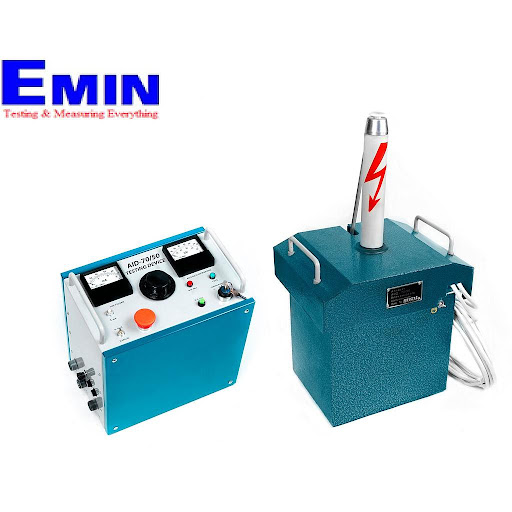
Why inspection matters for electrical testers
Electrical testers are often used in applications where safety, compliance, and equipment reliability are closely connected. Instruments for high voltage, relay testing, transformer assessment, insulation evaluation, or cable fault work are expected to produce repeatable results under demanding conditions. Periodic inspection helps identify drift, functional abnormalities, wear, or performance issues before they affect maintenance decisions or reporting quality.
For many organizations, inspection is also part of a broader asset management process. It supports traceability, reduces uncertainty in field measurements, and helps maintenance teams decide whether a tester should remain in service, be adjusted, or be sent for further repair or calibration. In environments where multiple measuring technologies are used together, this service also complements broader programs such as electrical and electronic meter inspection service.
Scope of equipment covered in this category
This category is relevant to many types of instruments used in electrical testing and power-system diagnostics. Typical examples include low resistance meters, withstand voltage testers, breaker testing equipment, relay testers, CT/PT testers, phase angle meters, current generators, and instruments for checking high-voltage measuring equipment. It also extends to specialized devices used for insulating materials, insulating oil, lightning arrester evaluation, and transformer testing.
Some applications require highly specific inspection methods because the equipment is designed for a narrow diagnostic task. Examples include capacitance and tan delta measurement, SF6 gas analysis, cable fault testing, and high-voltage or step-up transformer verification. Because these instruments support different measurement principles and operating ranges, inspection requirements should be matched to the actual function of the tester rather than treated as a single generic process.
Common use cases across industry
Electrical tester inspection services are commonly used by utility operators, panel builders, maintenance contractors, manufacturing plants, testing laboratories, and engineering teams involved in installation or commissioning work. In these environments, testers may be exposed to transport, frequent setup changes, demanding site conditions, or repeated use across different assets. Inspection helps confirm that the equipment remains dependable between jobs and during periodic maintenance cycles.
The service is especially relevant where decisions depend on measured electrical condition. Examples include evaluating insulation quality, verifying breaker behavior, checking transformer characteristics, assessing relay operation, or confirming high-voltage test readiness. When test equipment is part of a larger measurement workflow, users may also need related support for adjacent instruments such as mechanical measuring instruments inspection service or more application-specific diagnostic devices.
What is typically checked during inspection
The exact inspection procedure depends on the equipment type, but the goal is generally the same: to verify the instrument’s functional condition, measurement behavior, and suitability for continued use. This may include checks of operating status, display and control response, output behavior, connection points, basic accuracy-related performance, and consistency under expected operating conditions. For complex testers, inspection may also review key functions that directly influence the validity of the test method.
Another important aspect is the physical and operational state of the instrument. Electrical testers used in field environments can be affected by connector wear, damaged leads, switch issues, enclosure damage, or instability during operation. Inspection helps reveal these practical issues early, which is especially important for equipment used in high-energy or safety-sensitive applications.
How to choose the right inspection service
When selecting a service, it helps to start with the tester’s actual application rather than only its product name. A relay tester, a current generator, and an SF6 gas analyzer may all belong to the same broad category, but each supports a different testing objective and may require different inspection criteria. Matching the service scope to the instrument’s role helps avoid both under-checking and unnecessary work.
Users should also consider the operating environment, usage frequency, and the consequences of a failed or unreliable test result. Instruments used in regulated maintenance programs, acceptance testing, or critical infrastructure often need more structured inspection intervals. If your workflow includes additional diagnostic devices beyond electrical testers, related categories such as specialty meters inspection service or gas detector and meter inspection service may also be relevant.
Benefits of regular inspection for maintenance teams
A well-managed inspection program supports more than instrument upkeep. It helps improve the reliability of maintenance records, supports consistent troubleshooting, and reduces the chance of repeated site visits caused by uncertain test results. For teams working on switchgear, transformers, cables, or protection systems, trustworthy test equipment can make fault isolation and performance assessment more efficient.
Regular inspection also helps with planning. Instead of reacting only after a tester behaves abnormally, organizations can monitor instrument condition over time and schedule service more effectively. This is especially valuable for fleets of electrical test equipment shared across departments, field crews, or project teams.
Supporting safer and more consistent electrical testing
In electrical test work, confidence in the instrument is closely tied to confidence in the conclusion. An inspected tester is better positioned to support repeatable measurements, practical field use, and sound technical decisions across maintenance, inspection, and commissioning tasks. For businesses that rely on electrical diagnostics, this contributes to both operational control and better documentation quality.
If you are managing equipment used for insulation checks, relay verification, transformer testing, high-voltage applications, or other power-system diagnostics, choosing the right inspection service helps keep those tools dependable in real working conditions. This category is intended to support that need with a service focus tailored to the broad ecosystem of electrical testing equipment.
Get exclusive volume discounts, bulk pricing updates, and new product alerts delivered directly to your inbox.
By subscribing, you agree to our Terms of Service and Privacy Policy.
Direct access to our certified experts