
Insulating Materials Tester Inspection Service
Reliable test results matter when insulating materials are used to protect people, equipment, and installations from electrical risk. In maintenance, quality control, and laboratory environments, even small measurement errors can affect acceptance decisions, traceability, and confidence in product performance. That is why regular insulating materials tester inspection service is an important part of keeping testing equipment dependable and fit for use.
This service is intended for organizations that use insulating materials testers to verify electrical insulation characteristics in production, incoming inspection, R&D, or routine maintenance programs. A structured inspection helps confirm that the instrument is operating correctly, that key functions respond as expected, and that the tester remains suitable for the intended measurement task.
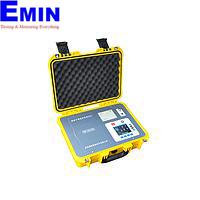
Why inspection is important for insulating materials testers
Testers used for insulating materials are often part of a broader electrical safety and material evaluation workflow. Their readings may support decisions related to product release, failure analysis, maintenance planning, or compliance documentation. When the instrument condition is uncertain, the risk is not limited to inaccurate data; it can also lead to unnecessary retesting, process delays, and inconsistent quality records.
A professional inspection service helps assess the general condition of the device, verify operational behavior, and identify issues that may affect repeatability or usability. This is especially valuable where the tester is used frequently, transported between sites, or exposed to demanding industrial environments. In many cases, inspection also supports preventive maintenance planning by revealing early signs of wear or functional drift.
Typical scope of the service
The exact inspection scope can vary depending on the tester type, its design, and the way it is used in practice. In general, the process focuses on the instrument’s functional condition, measurement-related behavior, external state, and the integrity of important interfaces or controls. The goal is not simply to check whether the unit powers on, but to determine whether it remains suitable for reliable testing work.
Inspection may include visual assessment, basic operational verification, confirmation of display and control response, and review of any obvious abnormalities that could influence performance. For organizations managing multiple electrical test instruments, this kind of structured review can be integrated into a wider asset care program alongside services such as withstand voltage test inspection service and other instrument checks used in electrical safety testing workflows.
Where this service is commonly used
Insulating materials testers are used in several settings, including manufacturing quality assurance, electrical component testing, material development, and maintenance support. Companies producing insulation-related parts, assemblies, or electrical products often depend on stable measurement results to evaluate material behavior and verify whether a sample or finished item meets internal requirements.
The service is also relevant for laboratories and technical departments that maintain documented test procedures. Where multiple instruments are used together, inspection planning is often coordinated across related equipment. For example, facilities that work with broader electrical integrity testing may also schedule low resistance meter inspection service to keep connected test processes aligned and easier to manage.
Benefits of regular inspection for B2B operations
For industrial users, regular inspection is not only about technical assurance. It also supports smoother operations by reducing unexpected downtime, improving confidence in test data, and helping teams identify when further maintenance or evaluation may be needed. This is particularly useful in environments where testing equipment is shared across departments or used as part of formal inspection routines.
Another advantage is improved traceability. When instrument condition is reviewed at planned intervals, maintenance records become clearer and equipment history is easier to follow. This can help during audits, internal quality reviews, and equipment management decisions. A well-timed inspection often costs less than the disruption caused by uncertain test results or an instrument that fails during critical work.
How to know when inspection should be scheduled
There is no single rule that fits every application, but several practical signals suggest that an insulating materials tester should be inspected. These include inconsistent readings, unusual response during use, visible wear, long periods of continuous operation, transport between locations, or use after storage in challenging conditions. Inspection is also sensible when the tester plays a critical role in acceptance testing or documented quality procedures.
Many organizations build inspection intervals around actual usage patterns rather than relying only on calendar-based routines. A tester used daily in production may require more frequent attention than one used occasionally in a controlled laboratory setting. If your site also uses related diagnostic tools, it can be efficient to review service timing across equipment types, including breaker testing equipment inspection service where applicable.
Choosing the right service approach
When arranging an inspection service, it helps to consider how the tester is used, what level of documentation your process requires, and whether the instrument is part of a larger testing chain. A good service approach should match the operational role of the equipment rather than applying a generic checklist without context. This is especially important for B2B users managing quality systems, technical maintenance records, or multiple test stations.
It is also useful to review whether inspection should be combined with other support activities such as condition assessment, repair evaluation, or broader service planning for electrical test assets. In facilities handling various insulation and cable-related diagnostics, there may be value in coordinating this work with cable fault tester inspection service to reduce administrative effort and keep service schedules more consistent.
A practical way to support dependable testing
When insulating materials are part of product safety or electrical reliability, confidence in the tester itself is essential. A dedicated inspection service helps verify equipment condition, supports more consistent measurement work, and gives technical teams a clearer basis for maintenance decisions.
Whether the tester is used in production, maintenance, or laboratory testing, regular review can help preserve measurement reliability, improve equipment visibility, and reduce the risk of avoidable problems. For organizations that depend on stable testing processes, equipment inspection is a practical step toward better control, stronger documentation, and more dependable day-to-day operation.
Get exclusive volume discounts, bulk pricing updates, and new product alerts delivered directly to your inbox.
By subscribing, you agree to our Terms of Service and Privacy Policy.
Direct access to our certified experts