
Checking high voltage electrical measuring equipment
When high-voltage measuring equipment is used in maintenance, commissioning, or electrical safety work, confidence in the reading is just as important as the instrument itself. Even a small deviation can affect troubleshooting, test results, maintenance decisions, and safety procedures. That is why a dedicated service for checking high voltage electrical measuring equipment plays an important role in keeping instruments reliable and suitable for technical field use.
This service category is relevant for organizations that work with power systems, industrial electrical infrastructure, substations, switchgear, testing laboratories, and maintenance teams that depend on stable measurement performance. Regular inspection helps confirm whether equipment remains accurate, responds correctly under expected operating conditions, and continues to support safe electrical testing workflows.
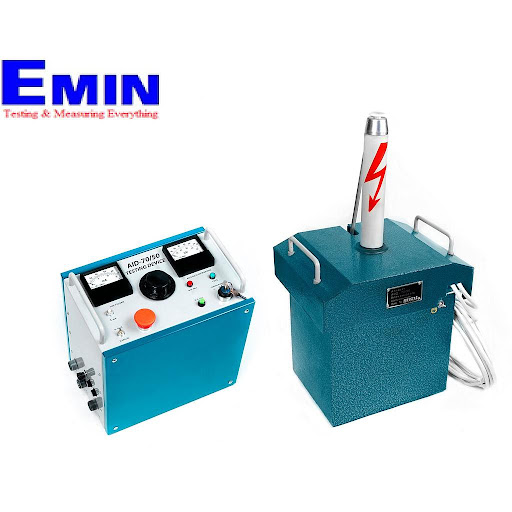
Why inspection of high-voltage measuring equipment matters
High-voltage measurement is closely tied to operational safety and technical reliability. Instruments used in this area are often exposed to demanding environments, repeated transport, field handling, and strict test procedures. Over time, factors such as aging, drift, mechanical stress, and environmental influence can affect how consistently the equipment performs.
An inspection service helps users verify that the instrument is still functioning within expected parameters and is appropriate for continued use. This is especially important in applications where decisions are made based on measured voltage values, insulation behavior, or test responses related to energized or high-potential systems.
Typical use cases for this service
Checking high-voltage electrical measuring equipment is relevant across many industrial and utility settings. Common examples include periodic verification before scheduled maintenance campaigns, evaluation of instruments after intensive field use, and routine quality control as part of internal asset management programs.
It is also useful when equipment has been stored for a long period, moved between sites, or exposed to conditions that may affect performance. For teams managing a wider portfolio of electrical test assets, this service can complement related support such as withstand voltage test inspection service for instruments used in broader dielectric testing processes.
What is typically evaluated during inspection
The exact inspection scope depends on the type of instrument and its intended application, but the purpose remains consistent: to assess whether the device is in proper working condition and capable of delivering dependable measurement performance. In practice, this may include checks related to measurement behavior, functional response, visible condition, basic operating stability, and overall readiness for continued use.
For high-voltage measuring equipment, attention is generally given to areas that affect both measurement integrity and handling safety. This can include the condition of connectors, probes, displays, controls, insulation-related parts, and the instrument’s response during standard operating checks. The goal is not simply to confirm that the unit powers on, but to determine whether it remains suitable for technical use in demanding electrical environments.
How this service supports maintenance and compliance workflows
In many facilities, inspection is part of a larger preventive maintenance or quality assurance process. Reliable test instruments help maintenance teams diagnose faults more efficiently, reduce uncertainty during testing, and maintain consistent documentation across jobs. When instruments are inspected at appropriate intervals, organizations can better manage downtime risk and avoid using devices with questionable performance.
This category is also relevant where internal procedures, contractor requirements, or site rules call for periodic equipment verification. Companies that manage different electrical test tools may also review related services such as low resistance meter inspection when maintaining a broader electrical testing program across multiple instrument types.
Choosing the right inspection scope
Not every instrument is used in the same way, so the most suitable inspection approach depends on operating context. Before requesting service, it is helpful to consider where the equipment is used, how frequently it is deployed, whether it is exposed to transport or harsh site conditions, and how critical its readings are to the task. Instruments used in high-frequency field testing may need closer review than those used occasionally in controlled environments.
It is also practical to think about the surrounding test ecosystem. High-voltage measuring equipment is often part of a larger workflow that may involve breaker analysis, insulation-related assessment, or cable troubleshooting. In those cases, users may benefit from reviewing adjacent service categories such as breaker testing equipment inspection service or cable fault tester inspection service where relevant.
Benefits of regular inspection over reactive replacement
Waiting until an instrument shows obvious failure can create unnecessary risk. In high-voltage applications, problems are not always immediately visible, and a device may still appear usable while no longer delivering dependable measurement results. Scheduled inspection helps identify issues earlier, supports better planning, and reduces the chance of discovering equipment problems only when critical testing must be performed.
From an asset management perspective, regular inspection can also improve traceability and service planning. Teams can make more informed decisions about continued use, maintenance scheduling, or replacement timing based on actual equipment condition rather than assumption alone. This leads to a more controlled approach to managing technical test resources.
Who should consider this category
This service is particularly relevant for industrial maintenance departments, electrical contractors, utility service teams, panel builders, testing engineers, commissioning teams, and technical organizations responsible for electrical verification work. Any operation that depends on repeatable high-voltage measurement for diagnostics, acceptance testing, or safety checks can benefit from periodic inspection.
It is especially useful where instrument reliability affects not only productivity but also the confidence of the people performing the work. In environments where electrical testing must be documented and repeatable, keeping measuring equipment in verified condition helps support both technical quality and day-to-day safety practice.
Supporting dependable high-voltage measurement
High-voltage measuring instruments are used in tasks where accuracy, stability, and safe operation matter every time they are taken into the field or connected in a test sequence. A structured inspection service helps confirm that the equipment continues to meet the practical demands of real-world electrical work.
For organizations maintaining critical electrical assets, checking high-voltage electrical measuring equipment is a sensible step in building a more reliable testing workflow. It helps reduce uncertainty, supports safer operation, and gives maintenance and engineering teams a stronger basis for trustworthy measurement results.
Get exclusive volume discounts, bulk pricing updates, and new product alerts delivered directly to your inbox.
By subscribing, you agree to our Terms of Service and Privacy Policy.
Direct access to our certified experts