
Phase Angle Meter Inspection Service
Reliable phase relationship measurement is essential in power systems, protection testing, electrical maintenance, and laboratory verification. When a meter is used to evaluate phase difference between voltage or current signals, even small deviations can affect troubleshooting accuracy, commissioning work, and the interpretation of test results. That is why a professional Phase Angle Meter Inspection Service is important for keeping instruments dependable in daily use.
This service category is intended for users who need the operating condition and measurement performance of phase angle meters checked in a controlled and traceable way. It is especially relevant for organizations that work with electrical testing workflows, periodic instrument management, and equipment quality control across industrial or utility environments.
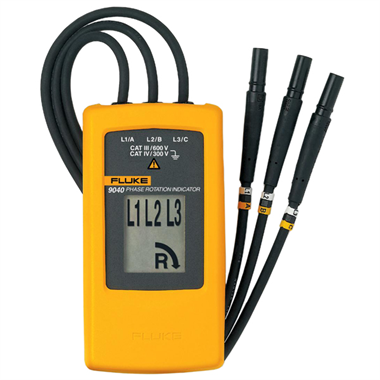
Why phase angle meter inspection matters
A phase angle meter is used where the phase difference between two signals must be assessed accurately. In practice, this can influence the evaluation of synchronized systems, power analysis tasks, relay-related checks, and broader electrical diagnostic work. If the instrument drifts, responds inconsistently, or shows unstable readings, the user may reach the wrong conclusion even when the test setup is otherwise correct.
Regular inspection helps confirm that the meter remains suitable for its intended application. It also supports internal maintenance programs, quality assurance procedures, and audit readiness by showing that measurement tools are being managed with appropriate care over time.
What is typically checked during the service
The scope of inspection generally focuses on the overall condition and measurement-related behavior of the instrument. This may include confirmation of core functions, response stability, indication behavior, and whether the unit operates normally within the expected use range. For many users, the main goal is to verify that the meter still provides trustworthy results for technical decision-making.
In addition to measurement performance, inspection can also help identify practical issues such as connector wear, display problems, handling damage, or irregular operation that may not be obvious during routine field use. This makes the service useful not only for periodic verification, but also before critical testing jobs or after heavy usage.
When to consider a phase angle meter inspection
Many companies schedule inspection as part of a periodic instrument control plan. This approach is common when the meter is used in maintenance departments, electrical testing teams, plant engineering, research environments, or service organizations that must maintain consistent measurement quality. A defined inspection interval helps reduce the risk of unnoticed drift or performance degradation.
Inspection is also worth considering when the instrument has been transported frequently, exposed to demanding site conditions, unused for a long period, or has shown suspicious readings during recent work. If your team also manages related electrical measurement tools, it may be useful to review services such as low resistance meter inspection or withstand voltage test inspection as part of a broader instrument maintenance plan.
Who uses this service
This category is relevant to organizations that rely on electrical measurement reliability rather than occasional one-off testing. Typical users may include industrial maintenance teams, electrical contractors, testing laboratories, utility-related departments, panel builders, and technical service providers that need confidence in the instruments used for analysis and verification.
It is also useful for companies working under documented quality systems, where instrument condition and inspection history matter for internal control or customer-facing work. In these settings, a well-managed inspection process supports consistency across teams and helps reduce uncertainty when comparing measurements over time.
Benefits of a structured inspection program
Using inspection services on a scheduled basis can improve more than just instrument confidence. It supports traceable equipment management, helps identify units that need closer evaluation, and can reduce operational delays caused by unexpected instrument issues during important testing work. For organizations with multiple testers in circulation, this creates a clearer foundation for planning maintenance and replacement decisions.
A structured approach is especially valuable when phase angle meters are used alongside other specialized electrical test instruments. Depending on the wider workflow, related services such as breaker testing equipment inspection or cable fault tester inspection may also be relevant for maintaining consistency across the full testing environment.
How to choose the right inspection service scope
Not every user operates under the same conditions, so the right service approach depends on how the meter is actually used. Key considerations include measurement criticality, frequency of use, working environment, internal quality requirements, and whether the instrument supports acceptance testing, fault analysis, commissioning, or routine maintenance tasks.
It is usually helpful to prepare basic information before arranging service, such as instrument type, operating symptoms if any, past service history, and the intended application. This allows the inspection process to be aligned more closely with real usage conditions and helps ensure the results are meaningful for your maintenance or quality workflow.
Supporting dependable electrical testing
Phase angle measurement is often a small part of a larger testing process, but it can have a major impact on interpretation and decision-making. A meter that has been properly inspected gives users more confidence when diagnosing electrical behavior, confirming signal relationships, or validating test setups in the field or workshop.
For businesses that depend on consistent technical results, a well-timed phase angle meter inspection is a practical step toward more reliable operations. By keeping critical instruments under control and reviewing related testing equipment when needed, organizations can build a stronger and more dependable electrical measurement system overall.
Get exclusive volume discounts, bulk pricing updates, and new product alerts delivered directly to your inbox.
By subscribing, you agree to our Terms of Service and Privacy Policy.
Direct access to our certified experts