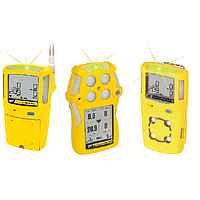
Air Quality Meter Inspection Service
Reliable air quality readings depend not only on the instrument itself, but also on the condition of its sensors, sampling path, and overall measurement stability over time. In industrial sites, commercial buildings, laboratories, and HVAC applications, periodic inspection helps confirm that an air quality meter is still suitable for field use and that its indications remain consistent with operational requirements.
Air Quality Meter Inspection Service is intended for organizations that use portable or field air monitoring instruments as part of maintenance, environmental checks, occupational safety, or indoor air assessments. Whether the device is used for routine spot checks or regular site monitoring, inspection supports better confidence in measured values and helps reduce the risk of decisions based on drifting or degraded instruments.

Why periodic inspection matters for air quality meters
Air quality meters are exposed to real operating conditions such as dust, humidity, temperature variation, and repeated transport between locations. Over time, these factors can affect sensor response, airflow, filter condition, display behavior, and overall instrument performance. An inspection service helps identify issues before they become a larger operational problem.
For maintenance teams and EHS personnel, the main goal is not simply to keep an instrument powered on, but to ensure it remains fit for measurement tasks. This is especially important when the meter is used to assess ventilation performance, indoor air conditions, or environmental parameters that influence worker comfort, safety, or process quality.
What an air quality meter inspection service typically focuses on
The exact inspection scope can vary by instrument type, but the service generally centers on the practical condition of the meter and the reliability of its measurement functions. This may include checks related to sensor behavior, sampling performance, display and keypad operation, power condition, alarms or indications, and general physical integrity.
In many cases, inspection also helps reveal early signs of contamination, aging, or handling damage that may not be obvious during routine daily use. For teams managing multiple instruments, this kind of review supports more structured maintenance planning and better control of equipment availability.
If your site also operates other monitoring devices in the same workflow, it can be useful to review related services such as fixed gas meter inspection or single gas meter inspection for a more complete maintenance approach.
Common applications that benefit from this service
Air quality meters are used in a wide range of professional settings, including HVAC verification, indoor environmental evaluation, building maintenance, clean areas, educational facilities, offices, and light industrial spaces. In these applications, users often need dependable indication of parameters linked to ventilation effectiveness and general ambient conditions.
Inspection is particularly useful where measurements are referenced in reports, maintenance records, or site audits. A meter that appears to function normally may still require attention if sensor response has shifted or if the instrument has been heavily used in demanding environments. Regular inspection supports more consistent decision-making and reduces uncertainty in day-to-day field measurements.
Examples of supported brands and service cases
This category includes inspection services for well-known instruments from manufacturers used across professional measurement and safety environments. Examples include the Sauermann Air Quality Meter Inspection Service and the Aeroqual Air Quality Monitor Inspection Service, both relevant for organizations working with indoor air assessment and environmental monitoring tasks.
Broader gas and air monitoring portfolios may also include brands such as FLUKE, TESTO, INDUSTRIAL SCIENTIFIC, EXTECH, RAE, SENKO, and GFG. While not every device serves the same purpose, many facilities manage mixed fleets of portable meters and detectors, so a structured inspection program helps keep each instrument category aligned with its intended application.
How to choose the right inspection scope
Selecting the right service starts with understanding how the instrument is used in the field. A meter used occasionally for basic building checks may require a different service cadence than one used frequently for troubleshooting ventilation, documenting indoor conditions, or supporting compliance-oriented maintenance routines.
It is also important to consider the instrument type, sensor technology, operating environment, and whether the device is part of a larger monitoring workflow. If your team works with combustion systems or exhaust-related measurements in addition to air quality checks, the combustion/emission gas analyzer inspection service may be relevant alongside this category.
Suitable for maintenance teams, facility managers, and EHS workflows
This service category is relevant for companies that rely on portable environmental measurement instruments in routine operations. Typical users include building management teams, HVAC contractors, facility service providers, environmental technicians, laboratories, and occupational health and safety departments.
For B2B buyers, the value of inspection is not limited to equipment care alone. It also supports asset control, maintenance scheduling, reduced unplanned downtime, and more dependable measurement records across multiple sites or departments. When instruments are shared among technicians or moved frequently between projects, regular inspection becomes even more practical.
When to consider inspection for an air quality meter
Inspection should be considered when the meter shows inconsistent readings, slow response, signs of physical wear, or after extended use in dusty or variable environments. It is also a sensible step after transport incidents, long storage periods, or before planned measurement campaigns where dependable readings are especially important.
Organizations often include inspection in a broader preventive maintenance routine for testing and monitoring assets. This helps maintain readiness of key instruments and provides a clearer basis for deciding whether a device can continue in service, needs further attention, or should be evaluated together with other gas and air measurement equipment.
Supporting consistent field measurements over time
An effective inspection process helps extend the practical usefulness of air quality meters by identifying condition-related issues early and keeping instruments aligned with real operating needs. For teams that depend on measurement data for maintenance, environmental checks, or workplace evaluation, this creates a more reliable foundation for daily work.
If your organization uses air quality meters as part of a broader gas detection and environmental monitoring program, this category provides a focused starting point for keeping those instruments in proper operating condition. Choosing the right inspection service can help maintain confidence in field measurements and support smoother equipment management over the long term.
Get exclusive volume discounts, bulk pricing updates, and new product alerts delivered directly to your inbox.
By subscribing, you agree to our Terms of Service and Privacy Policy.
Direct access to our certified experts