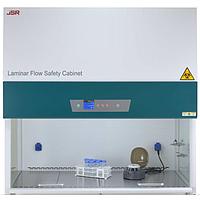
Biosafety Cabinet Inspection Service
Routine verification is essential wherever biological materials are handled in controlled laboratory environments. A well-executed Biosafety Cabinet Inspection Service helps confirm that cabinet performance remains aligned with safety expectations, supporting operator protection, product protection, and proper airflow behavior during daily use.
For laboratories, hospitals, research facilities, and quality control environments, inspection is not just an administrative step. It is a practical way to identify performance drift, detect issues before they affect work, and maintain confidence in critical containment equipment that supports safe microbiological procedures.
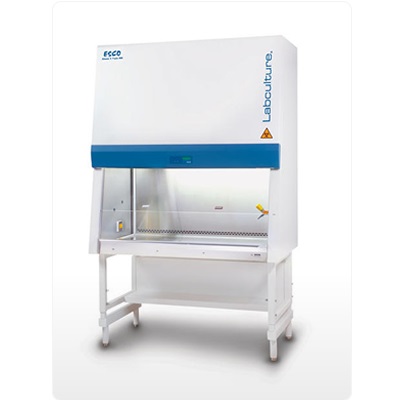
Why biosafety cabinet inspection matters
Biosafety cabinets are used in applications where containment performance is central to both personnel safety and sample integrity. Over time, regular use, filter loading, relocation, maintenance activity, or environmental changes can influence how the cabinet operates. Inspection helps verify that the unit is still functioning as intended and that key safety-related conditions are being maintained.
In practice, this service is especially relevant after installation, after repairs, after filter replacement, and at scheduled intervals defined by internal quality systems or facility procedures. It also supports organizations that need documented equipment checks as part of broader laboratory compliance and risk management processes.
What is typically covered in an inspection service
The scope of service can vary depending on the cabinet type, site requirements, and service workflow, but the goal is consistent: evaluate the operating condition of the equipment and document the results in a clear, usable format. Inspection generally focuses on the cabinet as a safety-critical system rather than as a simple mechanical enclosure.
Typical evaluation points may include airflow-related checks, operating condition review, and verification steps associated with cabinet performance. A structured inspection also helps users understand whether the cabinet is ready for continued operation, requires maintenance follow-up, or should be reviewed further before being returned to service.
- Assessment of cabinet operating condition and inspection status
- Review of safety-relevant performance factors
- Documentation to support maintenance and quality records
- Identification of issues that may affect reliable laboratory use
Suitable environments and use cases
This category is relevant for facilities that depend on controlled work areas for microbiological handling, sample preparation, pharmaceutical research, clinical testing, and biotechnology processes. In these environments, cabinet inspection supports a stable workflow by helping teams reduce uncertainty around equipment condition.
It is also useful for organizations managing multiple pieces of lab equipment under a scheduled service plan. For example, users who also maintain sterilization systems may review related services such as autoclave sterilizer inspection when building a broader laboratory equipment maintenance routine.
Service options from featured providers
This category includes service offerings from recognized providers such as JSR and Labstac. Rather than selecting purely by name, most buyers will benefit from comparing the service scope, reporting approach, site support process, and fit with their equipment management requirements.
Representative listings in this category include the JSR Biological Safety Cabinets Inspection Service and the Labstac Biological Safety Cabinets Inspection Service. These examples help illustrate the type of support available for laboratories that need formal inspection coverage for biosafety cabinets as part of routine operations.
How to choose the right inspection service
Selection should start with the practical context of use: the cabinet’s role in the lab, how often it is used, the facility’s internal documentation requirements, and whether the inspection is part of a commissioning, periodic review, or post-maintenance check. A good fit is usually one that matches both the technical need and the operational workflow of the site.
It is also worth considering response coordination, service documentation, and how easily the inspection can be integrated into a wider equipment program. Laboratories that maintain several controlled devices may also look at related categories such as centrifuge inspection service to keep preventive checks organized across the facility.
How inspection supports laboratory quality systems
A documented inspection process contributes to traceability and helps laboratories demonstrate that critical equipment is being monitored systematically. This is particularly important in environments where safety procedures, internal audits, or standardized operating protocols require evidence of periodic equipment review.
When inspection records are maintained consistently, they can support maintenance planning, downtime reduction, and clearer decision-making around service intervals. For facilities with temperature-sensitive storage or other supporting lab systems, related checks such as deep freezer inspection may also form part of the same quality framework.
Practical considerations before scheduling service
Before arranging an inspection, it is helpful to confirm the cabinet location, usage status, service history, and whether any recent maintenance or relocation has occurred. These details can make the inspection process smoother and help ensure the resulting report reflects the cabinet’s current operating condition accurately.
Facilities should also prepare any internal asset references or service records that need to be aligned with the inspection outcome. This is especially useful for laboratories managing multiple cabinets or coordinating inspection activities across several rooms, departments, or sites.
Choosing with confidence
A biosafety cabinet supports more than workflow convenience; it is part of the laboratory’s overall safety infrastructure. Selecting the right inspection service helps maintain confidence in daily operation, improves visibility into equipment condition, and supports a more disciplined maintenance strategy.
Whether you are scheduling a first-time check, a periodic review, or a post-service verification, this category brings together relevant service options to help you evaluate providers such as JSR and Labstac in a more practical and informed way.
Get exclusive volume discounts, bulk pricing updates, and new product alerts delivered directly to your inbox.
By subscribing, you agree to our Terms of Service and Privacy Policy.
Direct access to our certified experts