
Dry Cabinet Inspection Service
Stable humidity control is critical wherever moisture-sensitive materials, components, or samples must be stored under controlled conditions. In laboratories, electronics environments, and quality-focused production areas, a dry cabinet helps protect items from moisture absorption, oxidation, contamination risk, and performance drift over time. When storage conditions matter, periodic dry cabinet inspection service becomes an important part of equipment reliability and compliance.
A well-executed inspection does more than confirm that the cabinet powers on. It helps verify whether the unit is maintaining suitable environmental conditions, whether core functions operate consistently, and whether the cabinet remains fit for routine use. For organizations that depend on controlled storage to support testing, manufacturing, or sample preservation, regular inspection supports both operational confidence and better risk management.
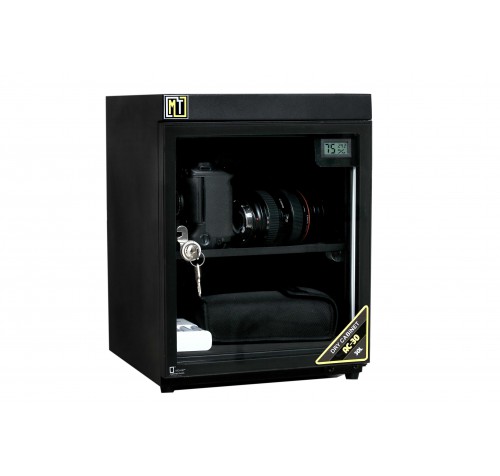
Why dry cabinet inspection matters
Dry cabinets are commonly used to store items that can degrade when exposed to ambient humidity. This may include sensitive electronic components, optical parts, tools, materials, and laboratory-related items that require a more stable storage environment. If humidity control drifts outside the intended range, the effect may not be visible immediately, but it can still influence product quality, handling conditions, and long-term usability.
An inspection helps identify whether the cabinet is operating as expected under normal use. This usually includes checking the condition of the enclosure, door sealing performance, display behavior, control response, and the general stability of the unit during operation. In environments where traceability and equipment condition are important, inspection also provides a practical record of the cabinet’s service status.
What is typically checked during a dry cabinet inspection service
The scope of inspection can vary depending on the cabinet type, operating principle, and site requirements, but the objective is generally the same: assess whether the unit can continue to support controlled low-humidity storage in a dependable way. Visual and functional checks are usually combined to evaluate both the physical condition and the operating behavior of the equipment.
Typical inspection items may include the following:
- Overall cabinet condition, cleanliness, and signs of wear or damage
- Door alignment, gasket condition, and sealing effectiveness
- Control panel, indicator, and display response
- Internal humidity performance and stability during operation
- Sensor-related behavior and general control logic response
- Shelves, internal layout, and load area condition
- Power connection and basic electrical safety condition where applicable
These checks help determine whether the cabinet is suitable for continued use or whether follow-up maintenance, adjustment, or deeper technical evaluation may be needed.
Common issues that inspection can help reveal
Dry cabinets may continue running even when their storage performance is no longer optimal. A gradual shift in humidity control, a worn door seal, unstable readings, or inconsistent control behavior can reduce the effectiveness of the cabinet without causing a complete failure. This is one reason scheduled inspection is useful even when there is no obvious breakdown.
Inspection can also help detect early signs of problems that affect process consistency. For example, if moisture-sensitive items are stored in a cabinet with poor sealing or unstable internal conditions, the storage environment may no longer match internal handling requirements. Finding these issues early can reduce unnecessary product loss, retesting, or storage-related quality concerns.
Who should consider this service
This category is relevant for organizations that depend on storage conditions as part of product protection, sample handling, or process quality. That includes laboratories, electronics assembly and repair operations, R&D facilities, medical and technical storage areas, and manufacturers handling components that are sensitive to ambient humidity.
Facilities with multiple controlled devices often benefit from planning inspection activities across related equipment rather than addressing each unit only after a problem appears. For example, businesses managing broader laboratory infrastructure may also review services such as biosafety cabinet inspection or autoclave sterilizer inspection as part of a wider equipment control program.
How inspection supports quality and routine operations
A dry cabinet is often a supporting device rather than the center of a process, but supporting equipment can still have a direct impact on downstream work. If stored items are affected by excess humidity before use, later testing, assembly, or handling steps may be compromised. Inspection helps reduce uncertainty by confirming that the storage step remains under control.
For quality systems, regular inspection can also support better documentation and equipment oversight. Service records help teams show that storage equipment has been checked at appropriate intervals, especially in environments where controlled conditions form part of internal procedures. This is particularly useful when dry cabinets are integrated into a larger set of laboratory assets alongside equipment such as centrifuge inspection services or deep freezer checks.
Points to review before scheduling service
Before arranging a dry cabinet inspection, it is helpful to confirm the cabinet’s application, operating environment, and any internal acceptance criteria used by your team. If the unit stores highly moisture-sensitive items, the inspection focus may need to pay closer attention to humidity behavior, sealing condition, and operating stability. Clear information about usage patterns can help make the service more relevant to actual site needs.
It is also useful to review any existing records, previous service history, and symptoms already observed by operators. Examples may include slower recovery, abnormal readings, door closing issues, or differences between displayed and expected conditions. Even simple observations can help direct attention to the areas most likely to affect performance.
Choosing the right inspection approach
Not every site uses dry cabinets in the same way. Some cabinets support general storage, while others are tied closely to product quality, sample integrity, or process readiness. Because of that, the most suitable inspection approach is one that matches the cabinet’s role in your operation rather than relying on a generic checklist alone.
When reviewing service options, look for an approach that considers equipment condition, functional performance, and practical usability in the real working environment. The goal is not simply to complete an inspection form, but to provide meaningful information that helps determine whether the cabinet is ready for continued service, requires corrective action, or should be monitored more closely.
Practical value of regular dry cabinet inspection
For many facilities, the value of this service lies in prevention. A periodic check can help uncover hidden deterioration before it affects stored materials, daily operations, or internal quality controls. That makes inspection a practical step for organizations that want to manage risk without waiting for obvious equipment failure.
If your storage process depends on low-humidity performance, a structured inspection helps keep that requirement visible and verifiable. Over time, routine equipment inspection supports more consistent storage conditions, better maintenance planning, and greater confidence in the readiness of the cabinet for day-to-day use.
Get exclusive volume discounts, bulk pricing updates, and new product alerts delivered directly to your inbox.
By subscribing, you agree to our Terms of Service and Privacy Policy.
Direct access to our certified experts