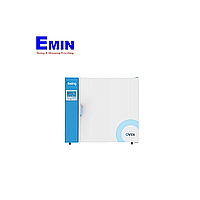
Drying Cabinet Inspection Service
Reliable heat treatment and sample preparation in the lab depend on equipment that can maintain stable temperature conditions over time. When a drying cabinet begins to drift, heat unevenly, or respond slowly, the impact can show up in drying consistency, test repeatability, and day-to-day workflow. That is why a Drying Cabinet Inspection Service is an important part of preventive maintenance for laboratory and industrial thermal equipment.
This service category is intended for users who need a practical way to assess the operating condition of drying cabinets and related heating equipment used in laboratories, research environments, and quality control processes. It is especially relevant where temperature performance, operational safety, and equipment reliability matter to routine work.
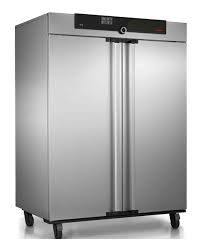
Why drying cabinet inspection matters
Drying cabinets are commonly used for heating, drying, conditioning, or preparing samples before further analysis. Over time, normal wear, repeated thermal cycling, and environmental factors can affect heating behavior, airflow, door sealing, controls, and overall stability. An inspection helps identify these issues before they lead to process variation or equipment downtime.
For many laboratories, inspection is not only about fault finding. It also supports better planning for maintenance, verification, and replacement decisions. In facilities where drying cabinets are part of a broader controlled equipment fleet, regular inspection works alongside services such as autoclave sterilizer inspection to maintain confidence in critical lab operations.
Typical scope of a drying cabinet inspection service
A professional inspection generally focuses on the condition and functional behavior of the unit rather than simply checking whether it powers on. This may include review of visible components, assessment of operating response, and examination of factors that influence thermal performance during use.
In practice, users often look for insight into temperature stability, control response, chamber condition, door closure, and signs of wear that may affect safe or repeatable operation. The goal is to understand whether the cabinet remains suitable for its intended application and whether corrective action should be scheduled.
- General condition assessment of the cabinet and chamber
- Functional review of operating behavior during use
- Identification of abnormal signs that may affect heating consistency
- Support for maintenance planning and service decisions
Suitable for different brands and equipment types
This category covers inspection needs across a range of commonly used brands. Examples in this selection include NABERTHERM, Elma, KMT, JFM, JSR, and Labstac. Different equipment designs may vary in chamber size, control style, and intended use, but the inspection objective remains the same: confirming that the unit is operating in a dependable and usable condition.
Representative services in this category include the Elma Drying Oven Inspection Service, NABERTHERM Drying Oven Inspection Service, KMT Drying Oven Inspection Service, JFM Drying Oven Inspection Service, and JSR Drying Oven Inspection Service. The presence of the Labstac Mini Dry Bath Inspection Service also reflects that some users manage multiple compact heating devices within the same maintenance program, especially where small-sample thermal preparation is part of the workflow.
How inspection supports laboratory quality and uptime
In many laboratories, heating equipment is closely tied to preparation steps that affect downstream testing. If a drying cabinet does not perform consistently, sample moisture condition, drying time, or thermal exposure may vary from batch to batch. Inspection helps reduce uncertainty by revealing early signs of deviation before they become larger process problems.
From an operational perspective, preventive inspection can also improve equipment uptime. Instead of waiting for a visible failure, teams can use inspection findings to prioritize maintenance, coordinate service windows, and avoid disruption to scheduled work. This is especially useful in facilities that maintain several types of controlled equipment, including systems requiring centrifuge inspection service or thermal storage checks.
When to consider an inspection
Inspection is worth considering when a drying cabinet shows behavior that is different from normal operation, even if the unit is still running. Longer warm-up times, unusual temperature response, inconsistent drying results, door sealing concerns, or visible chamber wear are all practical reasons to arrange a review.
It is also reasonable to schedule inspections at defined intervals as part of internal quality systems, especially in laboratories where equipment condition records are important. For users managing a broader environmental control setup, related service categories such as deep freezer checks may be relevant within the same maintenance cycle.
Choosing the right service option
When selecting a service, it helps to match the inspection request to the actual equipment in use. Brand, equipment type, operating condition, and application context all matter. A cabinet used for routine drying in a teaching lab may have different inspection priorities from one supporting daily QA work or continuous sample preparation in a production environment.
If your facility uses equipment from Elma, NABERTHERM, KMT, JFM, JSR, or Labstac, choosing a service aligned with the installed unit helps keep the process straightforward. It also makes it easier to organize maintenance records by asset and manufacturer, especially when several thermal devices are managed together.
Related equipment in the same inspection ecosystem
Drying cabinets rarely operate in isolation. They are often part of a wider laboratory equipment network that may include sterilization systems, biosafety equipment, mixers, centrifuges, and cold storage. For this reason, inspection planning often works best when viewed as part of a wider asset care strategy rather than a one-off service event.
Facilities looking to build a more complete maintenance approach may also review categories such as biosafety cabinet inspection, centrifugal mixer inspection, or other laboratory equipment inspection services depending on process needs. This broader view can help standardize service timing, improve documentation, and reduce unplanned interruptions across multiple work areas.
Short FAQ
What is the main purpose of a drying cabinet inspection?
The main purpose is to assess the operating condition of the equipment and identify issues that may affect heating performance, consistency, or safe use.
Is this service only for one brand?
No. This category includes service options associated with several brands such as NABERTHERM, Elma, KMT, JFM, JSR, and Labstac.
Can inspection help before equipment failure occurs?
Yes. One of the key benefits of inspection is early identification of performance or condition issues, which supports planned maintenance and reduces the chance of unexpected downtime.
For laboratories and technical facilities that rely on controlled heating processes, a well-timed inspection is a practical way to protect equipment reliability and process consistency. Reviewing the available service options in this category can help you choose an approach that fits your installed drying cabinet and your broader maintenance plan.
Get exclusive volume discounts, bulk pricing updates, and new product alerts delivered directly to your inbox.
By subscribing, you agree to our Terms of Service and Privacy Policy.
Direct access to our certified experts