
Fire Safety Storage Cabinet Inspection Service
Safe chemical storage depends on more than simply placing containers inside a cabinet. In laboratories, production areas, and technical facilities, fire safety storage cabinets play a critical role in reducing ignition risk, containing hazardous materials, and supporting a safer working environment. Regular inspection helps verify that the cabinet is still performing as intended after daily use, relocation, loading changes, or long service intervals.
Fire Safety Storage Cabinet Inspection Service is intended for organizations that need a practical way to assess the condition, functionality, and safety readiness of chemical storage cabinets used for flammable or hazardous substances. For laboratories and controlled workspaces, this type of inspection is often part of a broader equipment safety and compliance program.
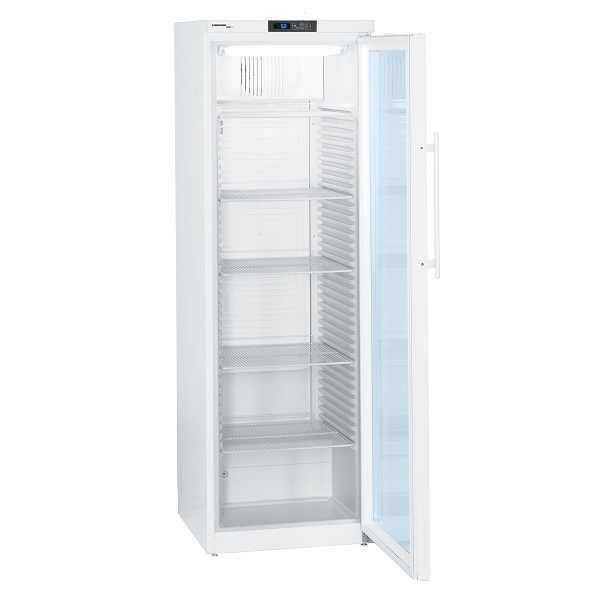
Why inspection matters for fire safety storage cabinets
A fire safety cabinet is expected to do its job under demanding conditions, but its reliability can gradually be affected by wear, door misalignment, damaged seals, corrosion, improper leveling, or unsuitable storage practices. Even when visible damage seems minor, these issues may influence containment performance, door closing behavior, or overall operational safety.
An inspection provides a structured review of the cabinet’s physical condition and key functional elements. This is especially important in environments where solvents, reagents, and other volatile materials are stored routinely, and where risk control depends on both equipment condition and correct usage.
Typical scope of a fire safety storage cabinet inspection
The exact inspection scope can vary by site requirement, cabinet type, and operating condition, but the process generally focuses on the cabinet’s structural integrity, accessibility, and safety-related components. The goal is not only to identify obvious defects, but also to detect early signs of deterioration that may affect serviceability.
Common inspection points may include cabinet body condition, door operation, hinges, handles, closure mechanisms, labeling, shelf condition, leak containment areas, and signs of chemical attack or deformation. Inspectors may also review whether the cabinet is being used in a manner consistent with safe storage practice, including loading condition, housekeeping, and the presence of incompatible materials.
- External and internal cabinet condition
- Door alignment and self-closing behavior where applicable
- Condition of seals, joints, trays, and shelves
- Signs of corrosion, impact damage, or chemical residue
- Safety labels, warnings, and identification markings
- Storage suitability based on the observed application
Common issues found during inspection
In real operating environments, storage cabinets are often exposed to frequent opening, heavy loads, accidental spills, and movement during facility changes. Over time, this can lead to doors that do not close properly, bent shelves, damaged sump areas, or missing safety labels. These are not always treated as urgent problems by users, but they can reduce the effectiveness of the cabinet and complicate internal safety management.
Another common issue is misuse rather than mechanical failure. Cabinets may be overloaded, used for mixed or incompatible materials, or placed in areas where ventilation, access, or surrounding fire risk is not well controlled. Inspection helps bring these practical issues to light so corrective actions can be taken before they become larger safety concerns.
Where this service is relevant
This inspection service is relevant for a wide range of technical environments, including laboratories, research facilities, pharmaceutical areas, educational institutions, industrial plants, and maintenance workshops. Any site that stores flammable liquids or hazardous chemicals in dedicated cabinets can benefit from periodic condition assessment.
It is particularly useful after cabinet relocation, facility renovation, incident investigation, or when preparing for internal audits and EHS reviews. In many organizations, cabinet inspection is treated as part of a broader laboratory equipment oversight program alongside services such as biosafety cabinet inspection or autoclave sterilizer inspection, depending on the equipment used on site.
How to evaluate whether your cabinet needs inspection
Some cabinets require immediate attention because the signs are easy to see, such as poor door closure, corrosion, dents, strong residual odor, or evidence of leakage. In other cases, the need for inspection is driven by routine preventive maintenance planning rather than by a visible fault. Both approaches are valid, especially in facilities where hazardous material storage is tied to documented safety procedures.
You should also consider inspection when usage conditions have changed. A cabinet that was originally installed for light laboratory use may later be subjected to higher load, more aggressive chemicals, or more frequent handling. Regular review helps confirm whether the cabinet remains appropriate for its current duty and whether follow-up maintenance or replacement should be considered.
Relationship to other laboratory equipment inspection services
Fire safety storage cabinet inspection is often one part of a wider facility risk-control strategy. Laboratories and industrial test areas usually contain multiple equipment groups that affect safety, process continuity, and environmental control. Looking at the cabinet in isolation can miss broader operational issues, especially where storage, sterilization, sample preparation, and temperature-sensitive handling are connected in one workflow.
For that reason, many sites coordinate cabinet inspection with other relevant services such as centrifuge inspection service or deep freezer checks. This makes it easier to review equipment condition systematically and plan maintenance activities more efficiently across the facility.
What to expect from a professional inspection approach
A useful inspection should produce more than a simple pass/fail result. In practice, organizations need clear findings, condition-based observations, and actionable recommendations. That may include identifying damaged components, documenting safety concerns, highlighting unsuitable storage conditions, or recommending further corrective action where the cabinet no longer meets operational expectations.
For B2B users, the value of the service lies in improved visibility into equipment condition and better decision-making for maintenance planning, safety review, and asset management. A structured inspection can also support internal documentation processes and help teams prioritize upgrades or replacements where needed.
Choosing the right service for your facility
When selecting a fire safety cabinet inspection service, it is worth considering the type of materials stored, the number of cabinets in use, the operating environment, and whether the inspection needs to fit into a larger preventive maintenance schedule. Facilities with laboratory, production, and storage functions in the same site may benefit from a more coordinated inspection plan rather than treating each asset separately.
A well-planned inspection helps ensure that fire safety storage cabinets continue to support safe handling and storage practices in everyday operation. If your facility manages flammable or hazardous substances, periodic cabinet assessment is a practical step toward reducing avoidable risk, improving equipment oversight, and maintaining a safer working environment over time.
Get exclusive volume discounts, bulk pricing updates, and new product alerts delivered directly to your inbox.
By subscribing, you agree to our Terms of Service and Privacy Policy.
Direct access to our certified experts