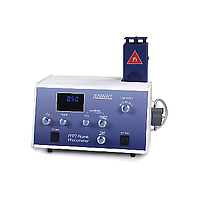
Flame Photometer Inspection Service
Accurate elemental analysis depends not only on the instrument itself, but also on its operating condition, stability, and safety. In laboratories that use flame photometers for routine measurement of alkali and alkaline earth elements, periodic inspection helps confirm that the equipment is functioning consistently and remains suitable for daily analytical work.
Flame Photometer Inspection Service is intended for laboratories that need a practical way to assess instrument condition, identify performance issues, and support maintenance planning. This is especially relevant in quality control, education, environmental testing, food analysis, and other lab environments where dependable flame-based measurement is part of the workflow.
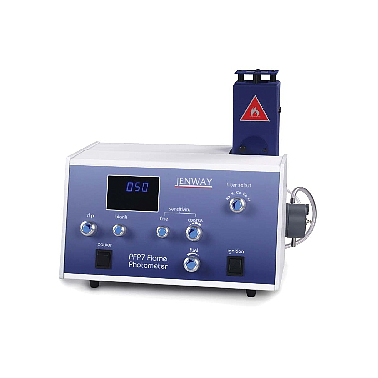
Why flame photometer inspection matters
A flame photometer is commonly used to measure elements such as sodium, potassium, lithium, and calcium by detecting light emitted from a sample introduced into a flame. Because the measurement process depends on stable aspiration, burner condition, flame characteristics, optics, and detector response, even small issues can affect repeatability and confidence in results.
Regular inspection is useful for checking the overall health of the instrument and spotting signs of wear, contamination, drift, or unstable operation before they become larger problems. For laboratories working under internal quality procedures, scheduled inspection also supports better documentation and a more controlled approach to equipment management.
What is typically reviewed during the service
The scope of an inspection may vary depending on the instrument and its condition, but the process generally focuses on the main functional parts that influence measurement performance. This can include a review of the sample introduction path, burner and flame system, optical section, controls, and the general physical state of the equipment.
Attention is usually given to factors related to operational stability, response consistency, and obvious faults that may interfere with normal use. In practice, this kind of service helps laboratories understand whether the flame photometer is ready for continued operation, whether preventive maintenance is advisable, or whether additional corrective work should be considered.
Suitable for routine laboratory equipment management
Inspection service for this type of instrument is particularly relevant in laboratories that rely on several critical devices working together in a controlled environment. A flame photometer may be only one part of a broader laboratory system, and its condition should be reviewed with the same discipline applied to other equipment that affects workflow, safety, or result reliability.
For example, facilities that maintain scheduled checks for items such as autoclave sterilizer inspection service or biosafety cabinet inspection service often apply the same logic to analytical instruments. This creates a more complete equipment oversight process rather than treating each device as an isolated asset.
Illustrative service option for JENWAY equipment
Where relevant, the category includes support examples such as the JENWAY Flame Photometer Inspection Service. This can be useful for laboratories already operating equipment from JENWAY and looking for a service path aligned with that installed base.
The role of the service is not simply to name a manufacturer, but to help users evaluate instrument condition within a real laboratory context. When a known brand is involved, inspection planning can be more straightforward because the lab can align service activity with its existing equipment inventory and maintenance records.
When to consider an inspection
Many laboratories arrange inspection as part of a recurring preventive plan, but there are also clear situations where an additional review makes sense. Examples include inconsistent readings, difficulty achieving stable operation, signs of contamination in the sample path, visible burner issues, or concerns after extended use.
An inspection may also be appropriate after relocation, before internal or external audits, after periods of limited use, or when the instrument is being returned to routine service. In these cases, the main goal is to verify equipment condition and reduce uncertainty before the instrument is relied on for regular analytical work.
How this service fits into a broader lab support strategy
Laboratories rarely operate a single critical instrument in isolation. Analytical, preparation, and support equipment all contribute to continuity of work, and inspection services help organizations manage that wider ecosystem more effectively. A structured approach can reduce unexpected downtime, improve planning, and make maintenance decisions more evidence-based.
Depending on the laboratory setup, related support may also extend to equipment such as a centrifuge inspection service or deep freezer checks. Looking at these services together can help laboratories build a more consistent program for laboratory equipment inspection across multiple work areas.
Choosing the right inspection service
When selecting a service option, it is helpful to consider the instrument type, usage frequency, maintenance history, and the level of documentation required by your organization. Laboratories with regulated or quality-driven workflows may also need inspection activity that aligns with internal procedures for equipment control and traceability.
It is equally important to choose a service that matches the actual role of the instrument in your process. A flame photometer used for frequent routine analysis may require more structured follow-up than a unit used occasionally for teaching or non-critical screening. In both cases, the objective is to support safe operation, dependable use, and a clear understanding of current instrument status.
Supporting reliable day-to-day analysis
A well-timed inspection helps laboratories maintain confidence in instruments that support routine elemental analysis. Rather than waiting for obvious failure, periodic review offers a practical way to detect issues early, support maintenance planning, and keep analytical work moving with fewer surprises.
For organizations using flame photometers as part of a broader laboratory workflow, this category provides a focused starting point for assessing service needs. Whether the priority is preventive oversight, troubleshooting support, or better control of equipment condition, a structured inspection process can be an important part of maintaining reliable laboratory operations.
Get exclusive volume discounts, bulk pricing updates, and new product alerts delivered directly to your inbox.
By subscribing, you agree to our Terms of Service and Privacy Policy.
Direct access to our certified experts