
Spectrophotometer Inspection Service
Reliable analytical results depend not only on the instrument itself, but also on how consistently it is checked over time. In laboratories, water analysis stations, quality control rooms, and research environments, periodic inspection helps verify that a spectrophotometer is operating as expected and remains suitable for routine measurement tasks.
Spectrophotometer Inspection Service is intended for organizations that need a practical way to assess instrument condition, support measurement confidence, and maintain equipment oversight within a broader laboratory maintenance program. This category covers inspection services for a range of commonly used spectrophotometer brands and related photometric instruments used in analytical workflows.
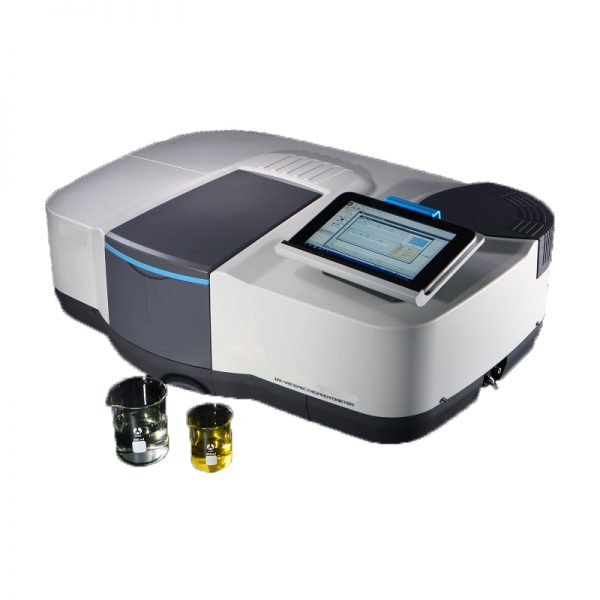
Why spectrophotometer inspection matters
A spectrophotometer is often used in applications where absorbance, transmittance, or concentration data directly influence product quality, environmental monitoring, or laboratory decision-making. Even when an instrument still powers on and appears functional, issues such as optical drift, lamp aging, contamination, mechanical wear, or display and control inconsistencies can affect day-to-day usability.
A structured inspection service helps identify these risks before they become larger operational problems. It can also support internal quality procedures by giving laboratories a clearer picture of instrument status, especially in facilities that manage multiple analytical devices alongside services such as centrifuge inspection service or other lab equipment checks.
What is typically covered in this service category
This category is focused on inspection rather than simply listing instruments. In practice, the service is relevant for laboratories that want to review the physical condition and operational state of their spectrophotometer, confirm that key functions respond properly, and detect visible or performance-related abnormalities that may require maintenance or deeper evaluation.
Depending on the instrument type, inspection may involve review of the optical path, cuvette compartment condition, user interface response, basic functional behavior, connectors, power stability, and general mechanical integrity. For some environments, this kind of evaluation is especially useful before preventive maintenance planning, internal audits, equipment handover, or routine laboratory quality reviews.
Supported brands and representative services
The category includes inspection support for instruments from widely used manufacturers in laboratory and analytical settings. Examples include HACH, KONICA MINOLTA, JENWAY, KANOMAX, PCE, SI ANALYTICS, YOKE, Aqualytic, and LABOMED, as well as WTW filter photometer equipment where relevant to photometric analysis workflows.
Representative services available in this category include KONICA MINOLTA Spectrophotometer Inspection Service, JENWAY Spectrophotometer Inspection Service, Kanomax Spectrophotometer Inspection Service, Aqualytic Spectrophotometer Inspection Service, SI ANALYTICS Spectrophotometer Inspection Service, YOKE Spectrophotometer Inspection Service, PCE Spectrophotometer Inspection Service, LABOMED Spectrophotometer Inspection Service, HACH Spectrophotometer Inspection Service, and WTW Filter Photometer Inspection Service.
These examples help illustrate the range of supported equipment without implying that every instrument is identical in design or application. A UV-Vis laboratory unit, a compact water testing photometer, and a routine benchtop spectrophotometer may all require inspection, but the evaluation approach should reflect the actual instrument format and intended use.
Common use cases in laboratories and industry
Spectrophotometer inspection is relevant across many operating environments. In environmental and water analysis, it supports instruments used for routine chemical parameter checks. In manufacturing and quality control, it helps maintain confidence in optical measurements that may affect batch release or process verification. In academic and research laboratories, it can be part of standard equipment care for shared instruments used by multiple operators.
This service is also useful when laboratories manage a larger equipment ecosystem and want a more organized maintenance schedule. Facilities that already monitor biosafety, sterilization, or cold storage equipment may also benefit from related services such as biosafety cabinet inspection service or deep freezer checks, depending on the laboratory setup.
How to choose the right inspection service
When selecting a service, it is useful to start with the instrument brand, model family, and actual operating role in the lab. A device used for daily compliance-related measurements may need more structured inspection planning than a unit used occasionally for internal screening. It is also important to consider whether the instrument is a standard spectrophotometer or a related filter photometer, since the inspection scope may differ.
Users should also look at the instrument’s service history, age, frequency of use, and any known issues such as unstable readings, unusual warm-up behavior, keypad faults, or optical contamination. If the device is part of a broader review of laboratory assets, combining this service with other equipment evaluations can help standardize maintenance records and reduce unplanned downtime.
Service value beyond routine maintenance
An inspection is not only about finding faults. It can also support better planning for repair, replacement, or continued use. For laboratory managers, that means more visibility into equipment condition and fewer assumptions based purely on whether an instrument still appears to function.
For teams working under quality systems, regular inspection contributes to a more traceable and controlled equipment environment. It provides a practical checkpoint between everyday use and major corrective action, helping organizations decide when an instrument can remain in service, when it needs attention, and when additional technical evaluation may be appropriate.
When to schedule spectrophotometer inspection
There is no single schedule that fits every laboratory. Inspection intervals often depend on workload, environmental conditions, internal quality procedures, and how critical the instrument is to decision-making. High-use instruments or shared units may justify more frequent checks than backup systems.
It is often sensible to arrange inspection after relocation, before internal or external audits, after periods of intensive use, or whenever results begin to show unexplained variation. Laboratories that are also maintaining adjacent equipment, such as autoclave sterilizer inspection service, may prefer to align schedules for more efficient service planning.
Choosing a suitable service for your equipment portfolio
This category is designed for laboratories and industrial users looking for a clear route to spectrophotometer inspection across recognized instrument brands. Whether the requirement involves a HACH unit for water analysis, a KONICA MINOLTA system, a JENWAY benchtop instrument, or a WTW filter photometer, the main goal is the same: to review instrument condition in a structured and practical way.
If your site relies on spectrophotometric measurement as part of routine testing, periodic inspection can be a useful step toward maintaining operational confidence and better equipment control. Reviewing the available brand-specific services in this category can help you identify the most relevant option for your instrument and laboratory workflow.
Get exclusive volume discounts, bulk pricing updates, and new product alerts delivered directly to your inbox.
By subscribing, you agree to our Terms of Service and Privacy Policy.
Direct access to our certified experts
