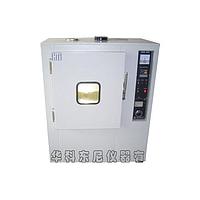
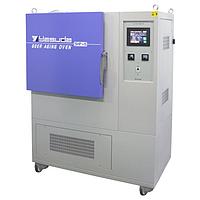
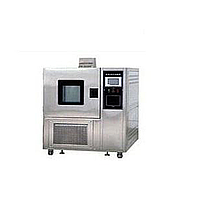
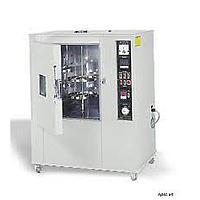
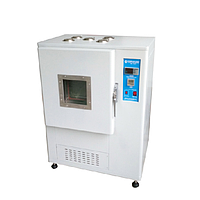
Aging Test Chamber Inspection Service
Stable temperature exposure is critical when evaluating materials, components, and finished products over time. If an aging chamber is not operating within expected conditions, test results can drift, repeatability may suffer, and quality decisions become harder to trust. That is why a reliable Aging Test Chamber Inspection Service matters for laboratories, manufacturing sites, and quality teams that depend on controlled environmental testing.
This service category focuses on inspection support for aging chambers used in mechanical and physical testing workflows. It is relevant for organizations that need to verify chamber condition, confirm operational performance, and maintain confidence in long-duration heat aging or environmental exposure processes.
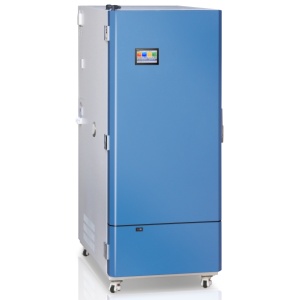
Why aging chamber inspection is important
An aging test chamber is expected to provide a controlled environment for accelerated evaluation. In practice, that means the chamber should heat consistently, maintain the intended setpoint, and support repeatable testing across different batches or production cycles. When inspection is overlooked, hidden issues such as uneven temperature distribution, sensor deviation, door sealing problems, or control instability can affect the validity of the test process.
Inspection helps users identify whether the chamber is still suitable for its application and whether its operating condition supports internal quality requirements. For B2B buyers and technical teams, this is not only a maintenance concern but also a way to reduce test uncertainty and avoid downstream issues in product development, incoming quality control, or reliability assessment.
Typical scope of an aging test chamber inspection service
The exact inspection scope can vary by equipment condition and service plan, but the main objective is to assess the chamber as a temperature-controlled test system. In most cases, this involves checking the operational status of key functions that influence heating performance, control response, and general usability in a test environment.
Technical teams usually pay close attention to items such as chamber operation, temperature behavior, control panel response, and the overall condition of the test space. Inspection may also help reveal whether the equipment is ready for continued use, requires adjustment, or should be scheduled for further service. For facilities running a broader set of test instruments, related support categories such as furnace inspection service can also be relevant where thermal testing equipment is managed together.
Where this service is commonly used
Aging chambers are commonly found in materials testing, plastics and rubber evaluation, packaging development, electronics reliability work, and quality assurance programs that require controlled heat exposure over time. In these settings, inspection is useful not just before a major audit or qualification event, but also as part of routine equipment management.
Companies that use multiple test methods often need a coordinated approach across different inspection categories. For example, if the same lab also verifies barrier or permeation performance, it may be practical to review services like water vapor transmission rate test system inspection or oxygen permeation system inspection as part of a broader equipment quality plan.
How to choose the right service for your chamber
Selection should start with the actual role of the chamber in your testing process. A unit used for routine incoming inspection may have different service priorities than a chamber supporting product validation or longer-term reliability work. It is helpful to consider how often the equipment runs, how critical temperature stability is to your method, and whether internal procedures require documented inspection history.
Buyers should also review brand compatibility and available service references. In this category, examples include Cometech, Yasuda, and TONYHK. If your operation includes more than one manufacturer, choosing a service category with relevant model coverage can simplify planning and reduce downtime when periodic inspection is needed.
Representative services in this category
This category includes service entries such as the Cometech Aging Test Chamber Inspection Service, Yasuda Aging Test Chamber Inspection Service, and TONYHK Aging Test Chamber Inspection Service. These listings are useful as references when users want to locate manufacturer-specific service options within the same inspection need.
Rather than treating each listing as a completely separate workflow, it is often more practical to view them as part of the same service objective: confirming that an aging chamber remains suitable for controlled testing. The manufacturer association helps narrow the match between the installed equipment and the service request, especially when service documentation or brand-based equipment management is important.
When to schedule an inspection
Many users arrange inspection when they notice inconsistent test behavior, after relocation of the chamber, before a critical validation project, or as part of preventive maintenance planning. A scheduled review can also be useful when the chamber has been in continuous service for long periods and the team wants to confirm that day-to-day performance still aligns with testing needs.
Another common trigger is process expansion. If a lab is adding more test capability, inspection planning helps ensure that existing equipment remains dependable while new methods are introduced. This is especially relevant in mixed test environments where thermal, abrasion, and color-related instruments coexist, and categories such as abrasion tester inspection service may also become part of the broader support workflow.
What buyers should prepare before requesting service
To make the inspection process smoother, it helps to collect the basic equipment details in advance. This may include the manufacturer name, model reference, installation location, observed issues, usage pattern, and any recent changes in operation. Clear information allows the service request to be matched more efficiently to the actual chamber and its condition.
It is also useful to describe the application context in simple terms. For example, whether the chamber is used for routine aging, comparative material testing, or internal product reliability checks can influence how the inspection is prioritized. This kind of context does not replace technical evaluation, but it improves communication between the user and the service team.
Supporting consistent testing over time
Aging chambers play an important role in controlled exposure testing, and their condition directly affects confidence in the results. Choosing an inspection service in this category helps technical teams manage equipment risk, support repeatable operation, and maintain a more reliable testing environment across production or laboratory activities.
Whether you are reviewing a chamber from Cometech, Yasuda, TONYHK, or comparing service options for a wider testing setup, a clear inspection plan is a practical step toward better equipment oversight. For organizations that rely on dependable mechanical and physical testing workflows, this category provides a focused starting point for evaluating aging chamber service needs.
Get exclusive volume discounts, bulk pricing updates, and new product alerts delivered directly to your inbox.
By subscribing, you agree to our Terms of Service and Privacy Policy.
Direct access to our certified experts