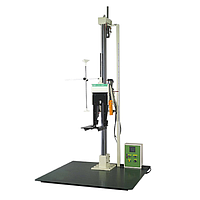
Drop Tester Inspection Service
When drop testing is part of product validation, packaging qualification, or incoming equipment control, the condition of the tester itself has a direct impact on result reliability. A well-planned Drop Tester Inspection Service helps verify that the machine is operating as intended, supports repeatable test conditions, and reduces the risk of questionable pass/fail decisions in quality workflows.
For laboratories, manufacturers, and test departments, inspection is not only about checking whether a machine powers on. It is also about confirming the mechanical condition, motion behavior, fixture integrity, and overall suitability of the equipment for ongoing use in mechanical and physical testing environments.
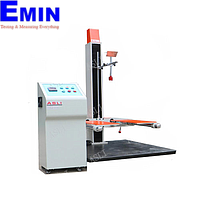
Why inspection matters for drop test equipment
Drop testers are used to simulate impact events under controlled conditions. In practice, even small deviations in release behavior, height indication, alignment, or structural stability can affect the consistency of a test program. Regular inspection helps identify wear, drift, looseness, or damage before these issues influence test outcomes.
This is especially important in environments where test records are used for supplier qualification, internal quality control, packaging verification, or product durability assessment. An inspection service provides a practical way to review the machine’s condition and determine whether it remains suitable for routine use.
What a drop tester inspection service typically focuses on
Although the exact scope depends on the equipment design and service plan, a drop tester inspection commonly concentrates on the machine’s mechanical structure, basic operating functions, and safety-related condition. The goal is to assess the tester as a working system rather than viewing only one isolated component.
Typical inspection points may include the frame condition, release mechanism, moving parts, platform or fixture stability, visible signs of wear, and general operational response. For users managing several types of test equipment, it can also be useful to review related services such as abrasion tester inspection when building a broader maintenance plan across the lab.
- Mechanical integrity of the main structure
- Condition of release and positioning mechanisms
- Visible wear, looseness, or damage on critical parts
- Basic functional operation and repeatability checks
- General suitability for continued testing use
Suitable for quality labs, packaging tests, and product reliability work
Drop test machines are commonly used wherever controlled impact testing is required. That includes packaging validation, electronics handling tests, consumer product durability checks, and general mechanical performance evaluation. In these settings, inspection helps maintain confidence that the equipment is still aligned with the intended test process.
For organizations that operate multiple inspection and test assets, drop tester checks often sit alongside other equipment reviews in the same workflow. Depending on the application, users may also need support for systems such as furnace inspection service or discoloration meter inspection service to keep broader test operations under control.
Brand coverage and example services in this category
This category includes inspection service options for drop test equipment from several recognized manufacturers, including Lisun, Vibsource, ASLI, HST, and Hongdu. The available services are presented to help buyers find a suitable match for the equipment brand already installed in their facility.
Examples in this category include Lisun Drop Test Machine Inspection Service, Vibsource Drop Test Machine Inspection Service, ASLI Drop Test Machine Inspection Service, HST Drop Test Machine Inspection Service, and Hongdu Drop Test Machine Inspection Service. These references are useful for identifying brand-specific service availability, while the overall objective remains the same: evaluating the operational condition of the drop tester in a structured way.
How to choose the right inspection service
The most effective choice usually starts with the machine already in use. Confirm the manufacturer, service context, and the type of issues you are trying to prevent or investigate. If the tester is part of a formal quality program, it is also useful to consider inspection frequency, equipment usage intensity, and whether there have been recent repairs, relocations, or abnormal test results.
Buyers should also think about the role of the machine in the wider test process. A drop tester used daily in a production-support lab may need closer attention than one used occasionally for development work. Clear service selection helps reduce downtime, supports maintenance planning, and makes it easier to manage documentation across multiple assets.
Inspection as part of a broader equipment reliability strategy
In many facilities, drop testing is only one part of a larger mechanical and physical testing setup. That is why inspection should be viewed as part of a broader equipment reliability approach rather than a one-time reaction to equipment problems. Routine review can help extend useful service life, improve day-to-day consistency, and support better test discipline.
Where barrier or materials performance testing is also important, related service categories such as oxygen permeation system inspection may also be relevant. Taking a category-based approach to inspection planning makes it easier to manage mixed equipment fleets in industrial and laboratory environments.
Choosing with confidence
A reliable drop test process depends on more than the sample under evaluation. The machine itself must remain in sound working condition so that impact testing can be performed consistently and safely. That is the practical value of a Drop Tester Inspection Service: helping users assess equipment condition and maintain confidence in the testing process.
If you are selecting service support for a specific installed brand, this category offers a focused starting point. Reviewing the available manufacturer-specific options can help you identify the most appropriate inspection path for your drop testing equipment and broader quality assurance workflow.
Get exclusive volume discounts, bulk pricing updates, and new product alerts delivered directly to your inbox.
By subscribing, you agree to our Terms of Service and Privacy Policy.
Direct access to our certified experts