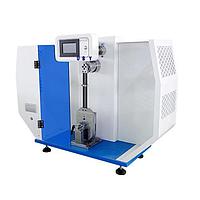
Impact Testing Machine Inspection Service
Reliable impact data depends not only on the tester itself, but also on the condition of the machine, the pendulum system, the fixture arrangement, and the consistency of the measurement process. When a laboratory or quality department needs dependable results for material evaluation, an Impact Testing Machine Inspection Service helps verify that the equipment is functioning correctly and that test outcomes remain meaningful over time.
This service category is relevant for manufacturers, test labs, universities, and QA teams that use impact testing to assess toughness, resistance to sudden loading, or comparative material performance. It is especially useful when equipment is used regularly, after relocation, after repair, or as part of a scheduled quality system review.
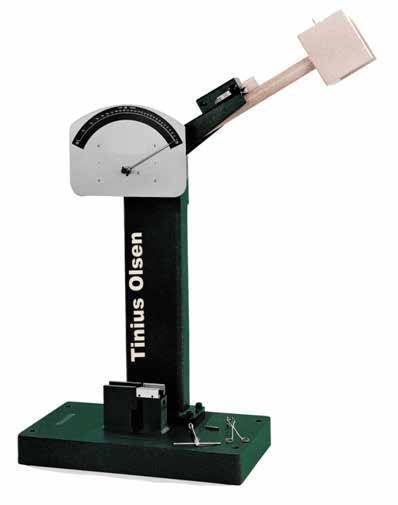
Why inspection matters for impact testing equipment
Impact testing machines are designed to evaluate how a specimen behaves under a rapid, high-energy event. In practice, even small deviations in alignment, release behavior, pointer response, energy indication, or specimen support condition can influence repeatability. An inspection service helps identify those issues before they affect product qualification, incoming material control, or research data.
For organizations working under internal quality procedures or customer audit requirements, periodic inspection also supports better traceability. It provides a practical way to confirm that the machine remains suitable for use, especially in environments where test consistency is tied directly to compliance, supplier approval, or batch release decisions.
What an impact testing machine inspection service typically covers
Although the exact scope can vary by equipment type and condition, the main objective is to assess the overall state of the tester and its readiness for reliable operation. This often includes checks related to mechanical integrity, operating condition, indication behavior, and the condition of critical contact or support elements involved in the test sequence.
Inspection may also help reveal wear, drift, improper setup, or signs that the machine no longer matches the expected test method workflow. For pendulum-based systems, this is particularly important because the energy transfer process depends on proper movement and stable geometry throughout the test cycle.
- General condition of the machine frame and core mechanism
- Basic functional review of the impact sequence
- Observation of fixture, support, or pendulum-related condition where applicable
- Review of visible wear or handling issues that may affect test confidence
Suitable equipment and common service scenarios
This category covers inspection support for a range of brand-specific systems used in physical testing environments. Examples in this category include the Cometech Impact Testing Machine Inspection Service, TQCSheen Impact testing machine Inspection Service, Yasuda Impact testing machine Inspection Service, and the KMT Pendulum Impact tester Inspection Service. These examples illustrate that the service can apply across different machine designs and operating contexts.
Companies often request inspection in several common situations: as part of preventive maintenance planning, before an external audit, after heavy usage, following equipment transport, or when test results appear inconsistent. It is also a practical option when a lab wants to review the condition of older machines before deciding on repair, continued use, or replacement planning.
Brand-specific support within this category
Where brand context matters, the service can be aligned with equipment from manufacturers such as TQCSheen, Cometech, KMT, Yasuda, JFM, MStech, and TONYHK. Mentioning the manufacturer is useful because inspection needs can differ depending on machine architecture, control style, and the way impact energy is indicated or recorded.
Examples of listed services also include the MStech Impact Testing Machine Inspection Service, JFM Impact Testing Machine Inspection Service, and TONYHK Impact Testing Machine Inspection Service. Rather than treating all testers the same, a focused inspection approach helps users evaluate the machine in the context of its actual operating design and laboratory use pattern.
How to decide when your machine should be inspected
A scheduled interval is often the simplest approach, but timing should also reflect usage intensity and test criticality. Machines that support production release, customer qualification, or regulated material verification generally benefit from more disciplined review than systems used only occasionally for internal comparison tests.
Inspection should also be considered when operators notice unusual release behavior, inconsistent absorbed energy readings, visible wear at contact points, or changes after maintenance work. In many labs, inspection is part of a wider equipment control strategy that may also include related services such as abrasion tester inspection or furnace inspection for other material testing assets.
What buyers and lab managers should look for
When selecting an inspection service for impact testing equipment, it helps to focus on relevance rather than broad claims. The key questions are whether the service matches the machine type, whether it supports your internal quality process, and whether the findings will help your team make practical decisions about continued use, adjustment, or follow-up maintenance.
For B2B users, clear service scope matters more than marketing language. A useful inspection outcome should help maintenance teams, quality managers, and laboratory staff understand the current condition of the tester, recognize risk points, and plan the next step in a controlled way. This is particularly valuable for organizations managing multiple physical testing instruments across one site or several facilities.
Supporting stable testing across the broader lab workflow
Impact testing rarely stands alone in a professional test environment. It is often part of a broader mechanical or barrier-property evaluation workflow, depending on the material and the industry. For this reason, keeping the impact tester in suitable condition contributes to a more dependable quality system across the entire lab, not just one isolated test method.
Teams that manage several inspection needs may also review complementary categories such as oxygen permeation system inspection where packaging or material performance testing is handled within the same organization. A structured equipment inspection plan helps reduce unexpected downtime and supports better long-term confidence in test data.
Conclusion
An impact tester can only deliver useful results when its operating condition supports repeatable, trustworthy measurement. Choosing the right Impact Testing Machine Inspection Service helps laboratories and manufacturers verify equipment status, identify issues early, and maintain better control over physical testing quality.
If your team works with pendulum or other impact testing systems from TQCSheen, Cometech, KMT, Yasuda, JFM, MStech, or TONYHK, this category provides a focused starting point for evaluating available inspection options. A well-timed inspection is often a practical step toward more consistent testing, better documentation, and fewer surprises in day-to-day lab operation.
Get exclusive volume discounts, bulk pricing updates, and new product alerts delivered directly to your inbox.
By subscribing, you agree to our Terms of Service and Privacy Policy.
Direct access to our certified experts