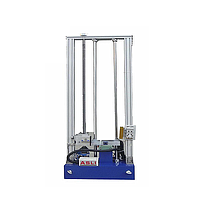
Mechanical Shock Tester Inspection Service
Repeated high-g shock testing puts both the equipment and the test setup under significant stress, so periodic verification is essential to keep results reliable. For laboratories, manufacturers, and quality teams working with durability or transport simulation, a professional Mechanical Shock Tester Inspection Service helps confirm that the system is operating as intended and that test data remains meaningful for evaluation and comparison.
When a shock tester is used to assess resistance to impact, sudden acceleration, or short-duration mechanical events, even small deviations in setup or machine condition can affect repeatability. Inspection is therefore not only about checking equipment condition, but also about supporting confidence in product validation, incoming quality control, and ongoing test capability.
Why inspection matters for mechanical shock testing equipment
Mechanical shock testers are used where repeatable shock performance is critical. In many industrial environments, these systems support packaging tests, component durability assessment, electronics evaluation, and other physical verification tasks where the applied shock event must be consistent from one test to the next.
An inspection service helps identify issues that may not be obvious in daily operation, such as wear, alignment concerns, fixture-related problems, or inconsistencies in machine response. Addressing these points early can reduce the risk of invalid test outcomes, unnecessary downtime, or disputes over whether a product failed because of the specimen itself or because of the test system condition.
Scope of a Mechanical Shock Tester Inspection Service
A typical inspection process focuses on the overall condition and functional readiness of the equipment rather than simply giving it a visual check. This can include review of the machine structure, operating condition, key motion or impact-related assemblies, and the basic integrity of the test setup used during normal operation.
For users working with the ASLI brand, the available service context includes the ASLI Mechanical Shock Tester Inspection Service, which is relevant for organizations that need support around routine equipment assessment and service planning. In practice, inspection can also help users decide whether the system is ready for continued use, requires adjustment, or should be scheduled for deeper maintenance or calibration-related follow-up.
Common situations where this service is useful
Inspection is especially relevant when test results begin to vary, when equipment has been relocated, or when the system is returning to use after a long idle period. It is also a practical step before internal audits, customer audits, or qualification programs where documented equipment condition is part of the wider quality process.
Many companies also use inspection as part of preventive maintenance planning. Rather than waiting for a visible fault or a failed test run, they schedule periodic checks to maintain stable operation and reduce interruption to test schedules. This approach is particularly useful in labs that rely on multiple physical testing systems across different workflows.
What to consider when selecting an inspection provider
The right service should match the role of the equipment in your test process. For a shock tester, that means the inspection should reflect real operating conditions, fixture use, machine wear patterns, and the practical needs of teams that depend on consistent impact testing.
It is also helpful to look for a service approach that supports broader laboratory and equipment management needs. If your facility operates several types of physical test systems, related services such as abrasion tester inspection or furnace inspection may be relevant as part of a more structured maintenance program.
How inspection supports test quality and compliance workflows
In a B2B testing environment, equipment performance is closely tied to documentation, traceability, and internal quality expectations. A proper inspection helps create a clearer record of equipment status, which can support maintenance decisions and reduce uncertainty when reviewing past or upcoming test campaigns.
This is particularly important in facilities where mechanical testing is only one part of a broader verification process. For example, labs that also manage barrier or material-performance systems may coordinate inspection planning across multiple assets, including services such as water vapor transmission rate test system inspection and oxygen permeation system inspection. A coordinated approach makes it easier to manage uptime, service intervals, and quality records across the lab.
Equipment condition, repeatability, and long-term reliability
Shock testing places unique demands on both the machine and its supporting fixtures. Over time, repeated use can influence mechanical stability, fastening integrity, and the consistency of the generated test event. Inspection helps reveal these issues before they become serious enough to compromise repeatability or delay production and validation work.
Beyond immediate troubleshooting, regular review of equipment condition supports long-term reliability. It gives test managers and maintenance teams a better basis for deciding when to continue operation, when to schedule service, and when to review the broader testing process around fixturing, sample setup, and operator practice.
Choosing the right service for your testing environment
Not every lab uses a mechanical shock tester in the same way. Some focus on routine quality checks, while others use it for development testing or failure analysis. The most useful inspection service is one that fits the actual workload of the equipment and helps keep the system aligned with your internal procedures and practical testing needs.
If your organization depends on dependable physical test results, a structured inspection program is a sensible step toward more stable operation and better decision-making. For users evaluating service options around mechanical shock testing equipment, this category provides a focused starting point for keeping critical test assets in proper working condition.
Get exclusive volume discounts, bulk pricing updates, and new product alerts delivered directly to your inbox.
By subscribing, you agree to our Terms of Service and Privacy Policy.
Direct access to our certified experts