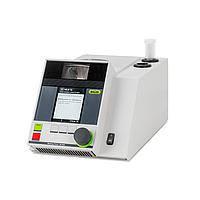
Melted Index Machine Inspection Service
Consistent melt flow data is critical when evaluating polymer quality, comparing material batches, or verifying processing behavior. When results begin to drift, the issue is not always the resin itself; it can also come from the condition of the test equipment. A professional Melted Index Machine Inspection Service helps confirm that the instrument is operating correctly and that test results remain reliable for production, QC, and laboratory work.
In plastics testing environments, melt index equipment is used to assess how a thermoplastic material flows under specified conditions. Because the method depends on controlled temperature, load application, timing, and mechanical condition, regular inspection plays an important role in reducing measurement uncertainty and preventing avoidable errors.
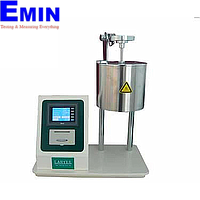
Why inspection matters for melt flow index equipment
Melt flow index testing is often used as a reference point for incoming material checks, process validation, and product consistency. If the tester is not functioning properly, small deviations in heating performance, piston movement, timing, or specimen handling can influence the final result and lead to incorrect decisions in manufacturing or R&D.
A structured inspection service focuses on the overall condition of the machine rather than only obvious failures. This includes verifying whether key operating functions remain stable, whether wear or contamination may affect the test, and whether the equipment is still suitable for routine use. For companies that rely on traceable and repeatable data, equipment inspection is a practical part of risk control.
What is typically checked during a Melted Index Machine Inspection Service
The exact inspection scope can vary depending on the equipment design and service procedure, but the main goal is to review the tester’s functional status and identify issues that may affect measurement quality. In many cases, this includes checking the thermal section, load application components, moving parts, operational controls, and the general condition of the test area.
Attention is also given to signs of mechanical wear, residue buildup, alignment concerns, or irregular operation during use. These points are especially important for melt index testing because the method depends on stable test conditions and repeatable material flow behavior. Inspection helps users detect problems early, before they lead to inconsistent laboratory records or production disputes.
- Review of overall machine condition and visible damage
- Inspection of heating and temperature-related performance
- Checking movement and mechanical condition of test components
- Functional review of controls, operation, and test readiness
- Identification of maintenance needs or abnormalities affecting use
Suitable applications and user environments
This service is relevant for plastics manufacturers, compounders, packaging companies, material testing laboratories, and quality departments that use melt flow data as part of product release or process verification. It is also useful for facilities that handle multiple resin grades and need dependable comparison data across batches.
Regular inspection is especially valuable where the tester is used frequently, where internal quality systems require documented equipment review, or where test results are linked to customer specifications. In these environments, the condition of the instrument can directly affect confidence in the data and the speed of technical decision-making.
Representative service options from key manufacturers
This category includes inspection support for equipment from established brands used in materials testing. Examples include the Cometech ecosystem, as well as solutions associated with Buchi and Yasuda. Choosing a service aligned with the instrument brand can help ensure that the inspection approach matches the equipment’s intended operating structure and use case.
Representative listings in this category include Cometech Melt Flow Index Tester Inspection Service, Yasuda Melt Flow Index Tester Inspection Service, and Buchi Melt Flow Index Tester Inspection Service. These examples help illustrate the type of equipment covered, while the actual service selection should still be based on the installed machine, its usage condition, and the inspection objective.
How to choose the right inspection service
When selecting a service, it is useful to start with the role of the tester in your workflow. Some users need routine condition assessment for preventive maintenance planning, while others need inspection support because of unstable readings, suspected temperature issues, or concerns after long-term operation. Defining the problem clearly helps narrow the most appropriate service scope.
It is also worth considering the equipment brand, service history, operating frequency, and whether the machine is used in a production support lab or a formal testing environment. If your lab also operates related test systems, reviewing complementary services such as oxygen permeation system inspection or water vapor transmission rate test system inspection may help create a more complete equipment management plan.
Inspection as part of broader laboratory reliability
In many material testing facilities, melt flow index equipment is only one part of a wider testing workflow. Reliable results depend not only on operator skill and test method control, but also on the condition of each instrument involved in quality evaluation. A well-maintained inspection schedule supports consistency across departments and reduces the chance of hidden equipment-related variation.
Where laboratories handle thermal, barrier, and physical performance testing together, it can be useful to coordinate inspection intervals across different instruments. For example, facilities that also use heat-processing equipment may review services such as furnace inspection service to keep related testing and preparation equipment in suitable condition.
When to consider scheduling an inspection
Several situations can indicate that an inspection is worth arranging. Examples include inconsistent test results between runs, unexplained variation between operators, visible wear on critical parts, unstable heating behavior, or a long period since the last documented equipment review. Inspection is also sensible after heavy use, relocation, or maintenance work that may affect machine condition.
Even when no obvious problem is present, scheduled inspection can support preventive maintenance and improve confidence in routine testing. For organizations working under strict quality procedures, this can also help demonstrate that key testing equipment receives appropriate attention over time.
Supporting dependable polymer testing results
A melt flow tester is often used to make decisions that affect material approval, processing settings, and product consistency. For that reason, inspection should be viewed as more than a service task; it is part of maintaining measurement confidence in daily operations. Reviewing the condition of the equipment at the right time can help reduce troubleshooting effort later and keep testing workflows more predictable.
If your facility depends on repeatable polymer flow data, this category provides a focused starting point for finding the right inspection service for your equipment. By matching the service to the instrument brand, usage pattern, and testing environment, you can support more stable operation and more trustworthy results over the long term.
Get exclusive volume discounts, bulk pricing updates, and new product alerts delivered directly to your inbox.
By subscribing, you agree to our Terms of Service and Privacy Policy.
Direct access to our certified experts