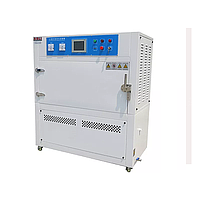
Solar Simulation Test Chamber Inspection Service
Reliable accelerated weathering and photovoltaic material testing depend on more than the chamber itself. When a solar simulation system begins to drift in irradiance, temperature control, or exposure uniformity, test results can become difficult to compare and harder to trust. A professional Solar Simulation Test Chamber Inspection Service helps verify that the equipment is operating as intended and supports consistent test conditions for laboratories, quality teams, and manufacturers.
This service is relevant for organizations that use solar simulation chambers in material evaluation, durability studies, product validation, and environmental testing workflows. Whether the chamber is used for routine inspection or as part of a broader maintenance program, a structured inspection can help identify deviations early, reduce unplanned downtime, and improve confidence in test data.
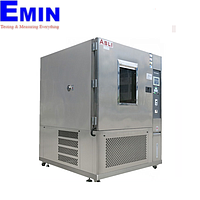
Why inspection matters for solar simulation chambers
Solar simulation chambers combine light exposure with controlled environmental conditions, so their performance depends on several subsystems working together. In practice, even small changes in lamp output, chamber sealing, thermal stability, or control response may affect repeatability over time. Inspection is therefore not only about fault finding, but also about maintaining measurement reliability and process consistency.
For B2B users, this is especially important when test results are used for internal quality decisions, supplier evaluation, or product development milestones. A chamber that appears to run normally may still show gradual performance drift. Periodic inspection provides a clearer picture of operating condition and helps teams plan corrective action before problems become more serious.
What is typically reviewed during the service
A solar simulation test chamber inspection usually focuses on the overall condition of the equipment and the functional performance of major assemblies. This may include the chamber structure, control system behavior, exposure system operation, and the response of temperature-related components within the test environment. The goal is to evaluate whether the chamber can continue supporting stable and repeatable testing.
Depending on the system design and service scope, inspection may also help reveal signs of wear, abnormal operation, or conditions that could influence test quality. This is particularly useful for facilities that rely on scheduled maintenance rather than waiting for a visible failure. For equipment from ASLI, users may also want service support aligned with the manufacturer ecosystem and chamber application requirements.
Typical use cases in testing and quality environments
Organizations use solar simulation chambers in a range of testing scenarios where controlled light exposure is essential. These systems may support studies related to aging behavior, coating performance, material comparison, product screening, or laboratory-based simulation of sunlight effects. In these environments, inspection helps confirm that the chamber remains suitable for ongoing technical work.
The service can also be valuable after relocation, after extended operation, or before an important validation program. If your team depends on traceable and repeatable test conditions, inspecting the chamber at regular intervals is a practical way to reduce uncertainty. The listed ASLI Solar simulation test chamber Inspection Service is especially relevant for users operating this type of equipment in industrial or laboratory settings.
How inspection supports maintenance planning
Inspection plays an important role in preventive maintenance because it turns hidden equipment condition into visible information. Instead of reacting only when alarms, unstable readings, or inconsistent test outcomes appear, maintenance teams can use inspection findings to prioritize service actions and manage equipment lifecycle more effectively. This approach often helps reduce disruption to testing schedules.
It is also common for facilities to manage several types of laboratory and physical testing equipment together. In that context, inspection planning may be coordinated with related services such as furnace inspection or abrasion tester inspection, depending on the test methods used in the same facility.
Points to consider when selecting an inspection service
When choosing a service for this category of equipment, it is useful to consider the chamber application, operating intensity, and the level of confidence required for your testing process. Some users need routine condition checks, while others may need more detailed review before audits, qualification activities, or major product testing programs. The right service should match how the chamber is actually used in your operation.
It also helps to work with a provider familiar with environmental and physical testing systems rather than treating the chamber as a generic enclosure. Solar simulation equipment involves interactions between light generation and chamber control, so the inspection should reflect that complexity. A well-scoped service can support both immediate troubleshooting and longer-term equipment management.
Related inspection services in the same testing workflow
Many laboratories do not operate a solar simulation chamber in isolation. Material and packaging evaluation workflows may also involve barrier testing, thermal processing, or appearance analysis, so it can be useful to review adjacent services when planning annual maintenance and inspection activities. For example, facilities working across environmental exposure and packaging performance may also need water vapor transmission rate test system inspection or oxygen permeation system inspection.
Looking at related inspection categories can help standardize service intervals across different instruments and improve overall equipment readiness. This is especially useful for centralized labs, quality control departments, and contract testing environments that need dependable operation across multiple test platforms.
Choosing the right time for inspection
There is no single schedule that fits every chamber, because inspection frequency depends on usage, test criticality, and operating conditions. Equipment used heavily in production support or continuous development programs may need more frequent attention than systems used occasionally for comparative studies. The key is to align inspection timing with risk, workload, and the importance of repeatable results.
If the chamber shows unstable performance, inconsistent exposure behavior, or signs of aging, an earlier inspection may be appropriate. Likewise, inspection is a sensible step after maintenance work, before important qualification runs, or when comparing current chamber behavior against previous test trends. In each case, the objective is the same: keep the equipment dependable for technical decision-making.
Summary
A well-executed solar simulation chamber inspection helps protect the value of your testing process by supporting stable operation, early issue detection, and better maintenance planning. For laboratories and industrial users, this service is not just about checking equipment condition; it also supports confidence in the results generated by the chamber.
If your organization uses this type of system for environmental exposure or material performance evaluation, a structured inspection service is a practical step toward more consistent operation and better control of testing risk. Reviewing the chamber regularly, especially alongside other relevant laboratory equipment, can help maintain a more reliable and efficient testing environment.
Get exclusive volume discounts, bulk pricing updates, and new product alerts delivered directly to your inbox.
By subscribing, you agree to our Terms of Service and Privacy Policy.
Direct access to our certified experts