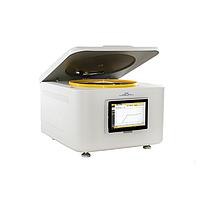
Water Vapor Transmission Rate Test System Inspection Service
Accurate barrier-property testing depends not only on the test method, but also on the condition of the instrument itself. When a water vapor transmission setup drifts, suffers from leaks, or develops sensor-related errors, the results can become difficult to trust for quality control, product development, or compliance work. A professional Water Vapor Transmission Rate Test System Inspection Service helps verify that the equipment is operating as expected and supports more reliable day-to-day testing.

This service is relevant for laboratories, packaging test facilities, material evaluation teams, and manufacturers working with films, sheets, barrier layers, and related products. Regular inspection can reduce unexpected downtime, identify developing faults earlier, and provide a clearer basis for maintenance or service planning.
Why inspection matters for water vapor transmission testing
Water vapor transmission rate systems are used where moisture barrier performance is a critical property. In practical terms, even small issues in the instrument can influence chamber conditions, measurement stability, or repeatability between tests. That can affect decision-making in both R&D and production environments.
An inspection service is therefore useful not just when a system fails completely, but also when results seem inconsistent, setup takes longer than usual, or operators notice abnormal behavior. In many facilities, inspection is part of a broader equipment reliability program alongside calibration, preventive maintenance, and application review.
What an inspection service typically helps evaluate
Although the exact inspection scope depends on the instrument and service workflow, the main objective is to assess the overall operating condition of the test system. This may involve checking core functions, reviewing measurement-related behavior, and identifying visible or functional issues that could influence test performance.
For a water vapor transmission rate system, common concerns often include sealing integrity, environmental stability, data consistency, and the general condition of test-related components. Inspection can also help determine whether the system is ready for continued use, requires adjustment, or should move to deeper repair or maintenance steps.
- Verification of basic system operation and response
- Review of condition factors that may affect repeatability
- Identification of wear, leakage, instability, or abnormal behavior
- Support for maintenance planning and service decisions
Suitable applications and users
This type of inspection is especially relevant in sectors where packaging and material protection are closely linked to shelf life, storage stability, or process performance. Teams working with polymer films, coated materials, laminates, flexible packaging, and barrier structures often rely on stable moisture transmission testing as part of product qualification.
It is also valuable for organizations that run routine comparison tests across batches, suppliers, or development samples. If consistent data is important for process control or customer reporting, periodic inspection can help maintain confidence in the measurement chain. For related service needs in the same testing environment, users may also review oxygen permeation system inspection service options where gas barrier evaluation is part of the workflow.
Representative systems and brands in this category
This category includes inspection support for systems such as the Uby Tech platform represented by the Uby Tech Water Vapor Transmission Rate Test System Inspection Service. It may also be relevant in facilities that operate broader physical testing equipment portfolios from manufacturers such as HST, especially where multiple material test systems need coordinated service planning.
In mixed test laboratories, moisture transmission equipment is often managed alongside other specialized instruments. For example, teams handling barrier-property testing may also work with services for abrasion tester inspection when packaging durability or surface performance is also under evaluation.
When to consider scheduling an inspection
Inspection is often scheduled after prolonged use, before critical project work, or when operators notice a change in instrument behavior. Warning signs can include unstable readings, longer setup time, unexpected test interruptions, poor repeatability, or suspected chamber and sealing issues. Even when the system still powers on and completes a test, those symptoms can indicate a developing performance problem.
Many organizations also plan inspections around internal quality schedules, annual maintenance routines, or after relocation of the instrument. If a system is used for customer-facing reports or qualification work, a proactive inspection can help reduce uncertainty before important testing campaigns begin.
How this service supports maintenance and test reliability
A good inspection process does more than identify faults. It helps build a practical understanding of the instrument’s current condition and whether the system can continue operating within the user’s expected testing workflow. That is especially important for labs that need dependable turnaround and want to avoid reactive service only after failures occur.
Inspection findings can also support better planning for follow-up actions such as repair, replacement of worn parts, or additional service steps. In facilities where thermal conditioning or material pre-treatment is part of the broader process, related support such as furnace inspection service may also be relevant for maintaining an efficient test environment.
Choosing the right service approach
When selecting a service for this category, it is useful to consider the instrument type, how frequently it is used, the criticality of the test data, and whether the system supports production release, development work, or research. A service approach should match the role of the equipment in the lab rather than treating every instrument the same way.
It is also helpful to review whether the inspection is intended as a routine condition check, part of a wider maintenance plan, or a response to a known issue. For facilities operating multiple physical testing platforms, combining inspections across related equipment categories can improve service efficiency and reduce disruption to the laboratory schedule.
Final considerations
Reliable moisture barrier testing starts with equipment that is in sound operating condition. A structured inspection service for water vapor transmission rate systems helps users identify performance concerns early, support more stable measurement results, and make better maintenance decisions over time.
If your laboratory depends on repeatable barrier-property data, this category provides a practical starting point for evaluating the condition of the system and planning the next service step with greater confidence.
Get exclusive volume discounts, bulk pricing updates, and new product alerts delivered directly to your inbox.
By subscribing, you agree to our Terms of Service and Privacy Policy.
Direct access to our certified experts