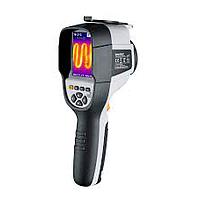
Thermal Imaging Camera Inspection Service
Accurate thermal images are only useful when the camera behind them is performing correctly. In maintenance, electrical inspection, HVAC diagnostics, building surveys, and process monitoring, even small measurement deviations can affect troubleshooting decisions, reporting quality, and maintenance planning. That is why a professional Thermal Imaging Camera Inspection Service plays an important role in keeping infrared instruments dependable in daily field use.
This service category is intended for organizations that rely on thermal cameras to detect hot spots, compare temperature patterns, document equipment condition, or support preventive maintenance programs. Whether the instrument is used occasionally for inspections or as part of a regular reliability workflow, periodic inspection helps confirm that the device remains suitable for its intended application.
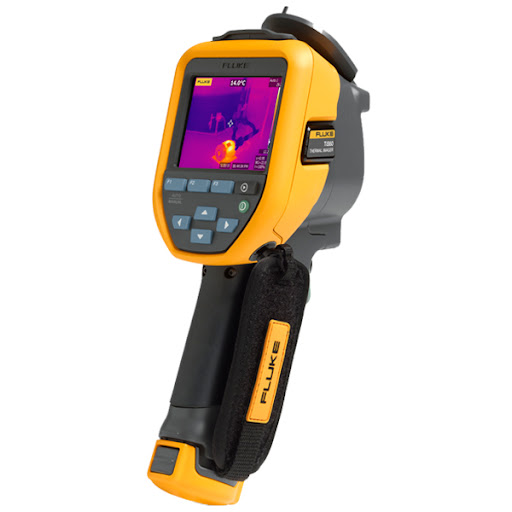
Why thermal imaging camera inspection matters
A thermal camera does more than produce a color image. It is a measurement tool that interprets infrared radiation and converts it into temperature-related data and thermal contrast. If the instrument is not checked regularly, issues such as inaccurate readings, unstable imaging behavior, or reduced confidence in inspection results may go unnoticed.
For B2B users, this matters in practical ways. Electrical maintenance teams depend on thermal images to identify abnormal heating in panels, connections, and rotating equipment. Facility and building professionals use them to locate insulation defects, air leakage, and moisture-related thermal anomalies. In these scenarios, a properly inspected device supports consistent diagnostics and more reliable documentation.
What this service is typically used for
Thermal imaging camera inspection is relevant across many industrial and commercial environments. It is commonly selected by factories, utilities, M&E contractors, building maintenance providers, energy service companies, and technical service teams that need confidence in infrared-based condition assessment.
Compared with single-point temperature tools, a thermal camera is often used when users need full-scene visualization rather than only one surface reading. In workflows where both equipment condition and temperature distribution are important, this service complements other temperature-related categories such as infrared thermometer inspection service and contact temperature meter inspection service.
Common points users consider before booking inspection
When selecting a service for a thermal camera, most buyers are not only comparing brands. They are usually trying to match the inspection scope with how the instrument is used in the field. A camera used for routine electrical scans may require different attention from one used for building diagnostics or research-related thermal observation.
It is also helpful to consider the camera’s operating environment, frequency of use, handling conditions, and reporting requirements. Organizations with formal maintenance systems or audit-driven processes often schedule inspection at planned intervals to support traceability and equipment readiness. In broader temperature and environmental monitoring workflows, users may also review related services for temperature, humidity, air pressure meter and datalogger inspection.
Brand coverage and typical equipment examples
This category includes inspection service options for many widely used thermal imaging brands in industrial measurement and diagnostics. Examples within the range include services for FLIR, FLUKE, TESTO, KEYSIGHT, Chauvin Arnoux, PCE, SEEK, HT, LaserLiner, and Advanced Energy. Mentioning these brands is useful because many organizations standardize by manufacturer across maintenance teams or project sites.
Representative service entries in this category include Flir Thermal Imaging Camera Inspection Service, Fluke Thermal Imaging Camera Inspection Service, Testo Thermal Imaging Camera Inspection Service, Keysight Thermal Imaging Camera Inspection Service, and Chauvin Arnoux Thermal Imaging Camera Inspection Service. There are also options such as Advanced Energy Thermal Imaging Camera Inspection Service, Seek Thermal Imaging Camera Inspection Service, HT Instruments Thermal Imaging Camera Inspection Service, PCE Thermal Imaging Camera Inspection Service, and Laserliner Thermal Imaging Camera Inspection Service. These examples help buyers quickly identify service availability aligned with their installed equipment base.
How thermal camera inspection fits into a maintenance workflow
In many plants and technical service environments, thermal inspection is not an isolated activity. It is part of a larger reliability or condition-monitoring process that may also involve electrical testing, vibration checks, visual inspection, and temperature verification. Ensuring that the thermal camera itself is properly inspected helps maintain confidence in the findings generated during these routines.
This is especially relevant when thermal images are used in reports for maintenance decisions, energy assessments, or safety-related reviews. If the inspection workflow also includes viewing energized electrical assets through protective access points, users may find it useful to review the related IR windows inspection service category as part of a broader infrared inspection setup.
Choosing the right service option for your application
The right choice depends on more than brand compatibility. Buyers should think about the type of thermal work being performed, the importance of reporting accuracy, the criticality of the inspected assets, and the frequency with which the camera is used. A facility that performs occasional building envelope checks may prioritize different service timing than a maintenance department scanning production equipment on a routine basis.
It is also sensible to align service planning with internal asset management practices. Companies operating multiple thermal cameras across departments often benefit from a structured approach that keeps instruments inspected on schedule and easier to track. This can reduce downtime, support quality systems, and improve confidence when comparing thermal data over time.
Who benefits most from this category
This category is especially relevant for maintenance managers, reliability engineers, utilities, field service contractors, energy auditors, MRO teams, and technical procurement specialists. Any organization that depends on thermal imaging for fault detection or condition-based monitoring can benefit from a service path designed around these instruments.
It is also a practical resource for procurement teams that need to source support for mixed-brand fleets. Because service options are available for multiple established manufacturers, buyers can review suitable entries without having to search brand by brand across unrelated product groups.
Final considerations
A thermal camera is often used to make fast decisions about equipment condition, heat distribution, and developing faults. Keeping that instrument properly inspected helps protect the value of every scan, every report, and every maintenance action based on infrared evidence. For organizations using thermal imaging in industrial, commercial, or technical service settings, this category provides a focused starting point for selecting the right inspection support for their equipment.
If your team works with different temperature measurement methods, it is also worth reviewing related inspection services across the wider thermometers and thermal tools ecosystem so that all critical instruments remain aligned with operational requirements.
Get exclusive volume discounts, bulk pricing updates, and new product alerts delivered directly to your inbox.
By subscribing, you agree to our Terms of Service and Privacy Policy.
Direct access to our certified experts