Chamfering Machine Repair Service
Stable edge quality depends heavily on the condition of the machine behind the process. When a chamfering system starts producing inconsistent bevels, excessive vibration, poor feed performance, or surface defects, timely service can help restore machining accuracy and reduce unnecessary downtime. Chamfering Machine Repair Service is intended for industrial users who need dependable maintenance and repair support for equipment used in edge preparation, deburring, and beveling operations.
In production environments, chamfering machines are often part of a broader machining or fabrication workflow. That means even small mechanical or control-related issues can affect downstream assembly, finishing, or inspection steps. A focused repair approach helps identify the actual fault source, whether it comes from wear, alignment problems, drive issues, or functional degradation in key machine components.
Why chamfering machine repair matters in industrial production
Chamfering equipment is used to create clean edges, remove sharp corners, and prepare parts for welding, fitting, coating, or final assembly. Because the process directly influences part geometry and finish quality, machine condition has a measurable impact on both product consistency and operator efficiency. Repair service is therefore not only about fixing breakdowns, but also about maintaining process reliability.
Common service needs may arise after long operating cycles, irregular maintenance, or demanding production conditions. In many cases, symptoms appear gradually: unstable cutting results, unusual noise, reduced throughput, or difficulty holding repeatable edge profiles. Addressing these problems early can help prevent larger failures and support more predictable machine performance.
Typical repair scope for chamfering machines
A repair service for this type of machinery generally starts with fault assessment and condition checking. Depending on the machine design and the actual issue observed in production, the service scope may involve mechanical inspection, alignment review, troubleshooting of motion-related parts, and functional checks of the operating system. The goal is to bring the equipment back to a usable and stable working condition rather than applying a superficial fix.
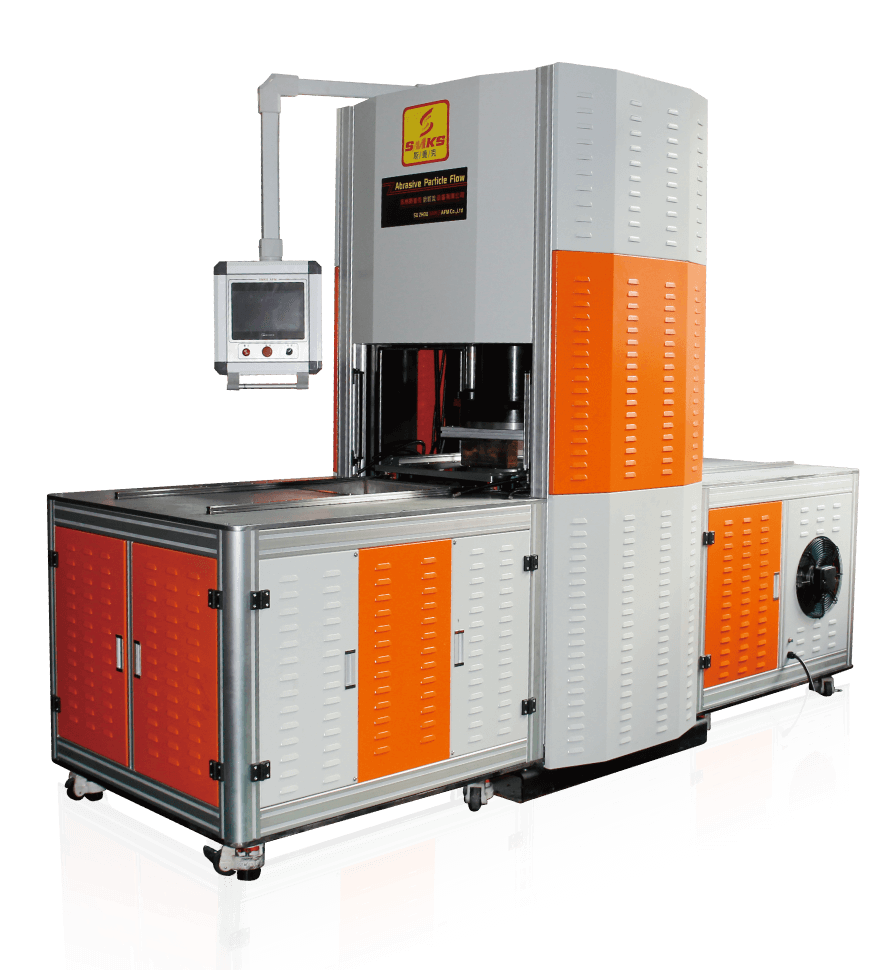
For users operating SMAC equipment, service demand may include support for brand-specific systems already installed on the shop floor. The listed SMAC Chamfering Machine Repair service is relevant for facilities looking for repair support centered on this application. In practice, repair planning should still consider machine age, usage intensity, operating symptoms, and the production requirements tied to the equipment.
Signs your machine may need professional attention
Not every issue presents as a complete stoppage. Many chamfering machines continue running while quality slowly deteriorates, which can make fault detection more difficult during busy production periods. A professional repair review is worth considering when the machine shows recurring quality variation, visible chatter marks, inconsistent edge angles, or reduced feed smoothness.
Other warning signs include repeated operator adjustments, abnormal heat, vibration, or difficulty maintaining normal cycle behavior. When these symptoms appear together, they often point to deeper mechanical wear or functional imbalance inside the machine. A structured repair process helps separate minor adjustments from issues that actually require part replacement, recalibration, or broader servicing.
How to evaluate the right repair service
Choosing a service for industrial machinery should start with the machine’s role in your production line. If the chamfering station is part of a high-throughput process, response time, troubleshooting depth, and the ability to diagnose root causes become especially important. The best fit is usually a service approach that looks at machine condition in context rather than treating every failure as an isolated event.
It is also useful to compare repair needs across neighboring machine types. For example, facilities that also run metalworking or fabrication equipment may want to review related support options such as cutting machine repair service or shear machine repair service. This broader view can help maintenance teams align service planning across multiple assets with similar wear patterns or production dependencies.
Repair service in the context of machine lifecycle management
Repair is most valuable when it fits into a wider maintenance strategy. For many plants, chamfering machines are expected to run continuously with limited interruption, so repair work often supports preventive maintenance goals as well. Instead of waiting for total failure, companies can use repair interventions as a point to review machine condition, operating habits, and recurring fault history.
This lifecycle perspective is especially relevant where dimensional quality and edge consistency influence final product acceptance. Restoring machine condition can help reduce scrap, improve repeatability, and support more stable production scheduling. Even when a single fault triggers the service request, the repair outcome is often strongest when it addresses both the immediate issue and the underlying causes of wear or instability.
When specialized support is useful
Chamfering machines can vary by layout, feed mechanism, tooling arrangement, and level of control integration. Because of that, service requirements are not always identical from one installation to another. Specialized support becomes more important when the machine performs a critical operation, has recurring faults, or must meet tight process tolerances within a larger production system.
In these cases, a repair service should help users move beyond temporary workarounds. A more thorough review can improve fault isolation, reduce repeated stoppages, and provide clearer guidance for future maintenance decisions. That is particularly useful for B2B buyers, maintenance teams, and production managers who need repair activity to support uptime, quality, and operating continuity.
Finding a suitable chamfering machine repair solution
This category is intended to help industrial buyers explore service options for chamfering equipment with a clearer understanding of what repair work can involve. Whether the issue is related to output quality, machine stability, or functional wear, the right repair path should support practical recovery of performance without unnecessary guesswork.
If your facility relies on edge preparation equipment as part of machining or fabrication, reviewing available repair services early can help reduce prolonged downtime and protect production consistency. A well-matched repair service should ultimately support safer operation, steadier output, and better long-term use of the machine already installed in your process.
Get exclusive volume discounts, bulk pricing updates, and new product alerts delivered directly to your inbox.
By subscribing, you agree to our Terms of Service and Privacy Policy.
Direct access to our certified experts