
Shear Machine Repair Service
Unexpected blade wear, uneven cuts, excessive vibration, or repeated downtime can quickly disrupt production in metal fabrication and sheet processing environments. When a shearing system starts losing accuracy or reliability, timely Shear Machine Repair Service helps restore safe operation, improve cut quality, and reduce the risk of larger mechanical or electrical failures.
For maintenance teams, plant managers, and service buyers, repair work is rarely just about replacing a damaged part. It usually involves diagnosing the source of the problem, checking alignment and drive performance, reviewing control behavior, and verifying that the machine can return to stable day-to-day use under real operating conditions.
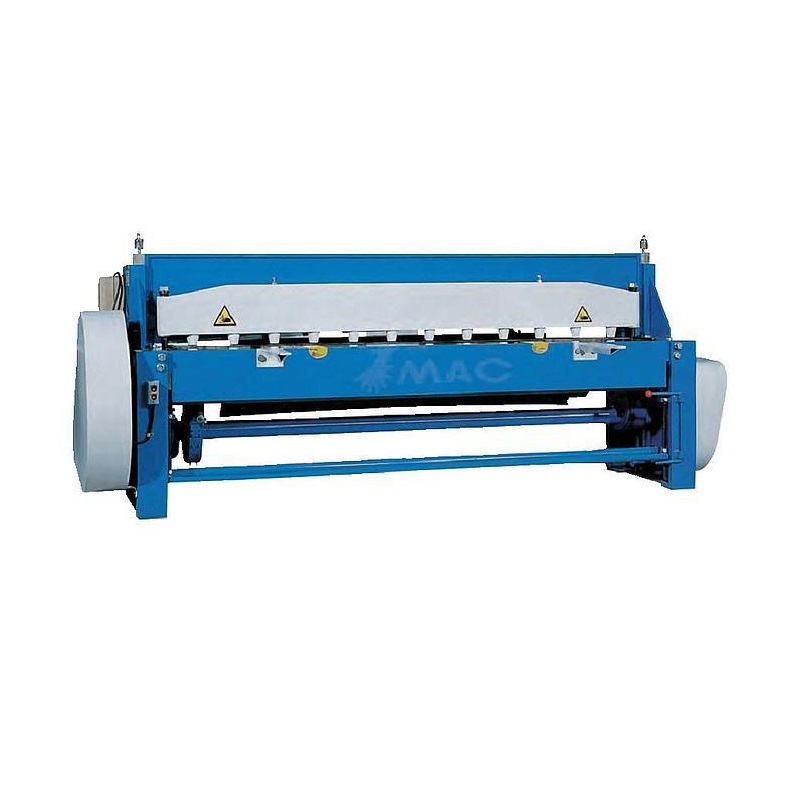
Why shear machine repair matters in production
Shear machines are often expected to deliver consistent cutting performance over long operating cycles. Even small issues in the frame, blade setup, hold-down mechanism, drive section, or control components can affect straightness, edge quality, repeatability, and operator safety. Repair service becomes especially important when the machine still has strong production value but can no longer perform as expected.
In many facilities, a properly planned repair can be more practical than extended downtime or premature replacement. A structured service approach helps identify whether the main issue comes from mechanical wear, hydraulic instability, electrical faults, or a combination of several factors that have built up over time.
Common issues addressed during shear machine repair
Service requirements vary by machine design and operating history, but several failure patterns appear frequently. These include inaccurate cutting results, abnormal noise, blade clearance problems, inconsistent stroke motion, oil leakage, overheating, and faults in switches, relays, or control circuits. In older equipment, the root cause may be gradual wear rather than a single obvious breakdown.
Repair work may also be needed after overload events, poor maintenance routines, or extended use in harsh industrial environments. When troubleshooting is done carefully, it becomes easier to separate surface symptoms from the actual source of the failure and avoid repeated stoppages after restart.
- Cutting inaccuracy or burr formation
- Blade alignment or clearance issues
- Hydraulic pressure instability or leakage
- Motor, drive, or power transmission problems
- Control, wiring, or sensor-related faults
- Excessive vibration, noise, or abnormal machine movement
What a professional repair process typically involves
A reliable repair process usually starts with machine condition assessment. This may include checking the machine structure, drive response, lubrication condition, hydraulic behavior, blade-related wear points, and overall operating sequence. The goal is to understand not only what failed, but also what surrounding components may have contributed to the failure.
After diagnosis, the service scope can be defined more clearly. Depending on the condition of the equipment, this may involve adjustment, part replacement, sealing work, electrical repair, re-alignment, or functional testing. A good repair process should end with performance verification so the machine can return to production with improved stability and a lower risk of immediate recurring issues.
Key factors when choosing a shear machine repair service
Not all repair needs are the same. Some sites need urgent corrective work to restart production, while others need planned intervention to restore accuracy and extend service life. When evaluating a service option, it is useful to look at the provider’s ability to diagnose faults systematically, work across mechanical and electrical systems, and communicate clearly about the likely repair scope.
It is also worth considering whether the service approach fits the actual production environment. For example, facilities with multiple machine types may benefit from support that aligns with broader maintenance planning across fabrication equipment. In that context, related services such as cutting machine repair support can be relevant when several process stages are connected.
Repair, maintenance, and long-term machine reliability
Repair should not be viewed in isolation. In many cases, recurring faults are linked to missed inspection intervals, poor lubrication, contaminated hydraulic systems, loose electrical connections, or worn consumable elements that were not addressed early enough. Combining repair with a more disciplined maintenance routine can improve uptime and reduce emergency interventions.
For production lines that use several forming and processing machines together, maintenance planning often needs a broader view. Businesses managing related equipment may also review services such as mechanical power presser repair or hydraulic stamping machine repair when coordinating downtime across the workshop.
When to schedule repair instead of waiting for failure
Many major breakdowns are preceded by warning signs that are easy to overlook during busy production periods. A drop in cut consistency, rising cycle irregularity, oil seepage, unusual impact sounds, or repeated operator adjustments can all indicate that the machine is moving away from normal condition. Early intervention is often more manageable than waiting for a complete stoppage.
Scheduling repair at the right time can also support safer operation. This is especially important in machines where force, motion control, and blade action must remain predictable. Addressing problems early may help reduce secondary damage to connected assemblies and shorten the total recovery time.
Suitable applications and service context
This category is relevant for manufacturers, fabrication shops, processing plants, and industrial users that rely on shearing equipment for routine production. Service needs may range from isolated fault correction to broader restoration work intended to bring aging machines back into dependable operating condition.
In facilities with a wider range of industrial assets, repair planning may extend beyond one machine category. For example, plants with specialized processing lines sometimes also require food machinery repair services or other equipment support depending on their production setup. The right service decision depends on machine criticality, downtime cost, and the technical condition of the asset.
Conclusion
A well-executed shear machine repair service helps restore cutting performance, improve operational consistency, and support safer production. Whether the issue involves mechanical wear, hydraulic behavior, or electrical control faults, a structured repair approach can provide a practical path back to reliable operation.
If your equipment is showing signs of instability or declining performance, reviewing the machine condition early is often the most effective next step. Clear diagnosis, relevant repair action, and attention to long-term reliability are what make industrial service work truly valuable.
Get exclusive volume discounts, bulk pricing updates, and new product alerts delivered directly to your inbox.
By subscribing, you agree to our Terms of Service and Privacy Policy.
Direct access to our certified experts