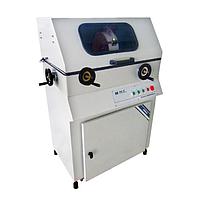
Cutting Machine Repair Service
Unexpected downtime in a cutting line can quickly affect output, material usage, and delivery schedules. When a machine starts showing unstable motion, inaccurate cuts, feed errors, or control faults, a structured Cutting Machine Repair Service helps restore reliable operation while reducing the risk of repeated breakdowns.
This category is intended for businesses that need repair support for industrial cutting equipment, especially where precision, repeatability, and production continuity matter. Whether the issue involves mechanical wear, drive behavior, control response, or cutting accuracy, the goal is to identify the real cause and return the machine to stable working condition.
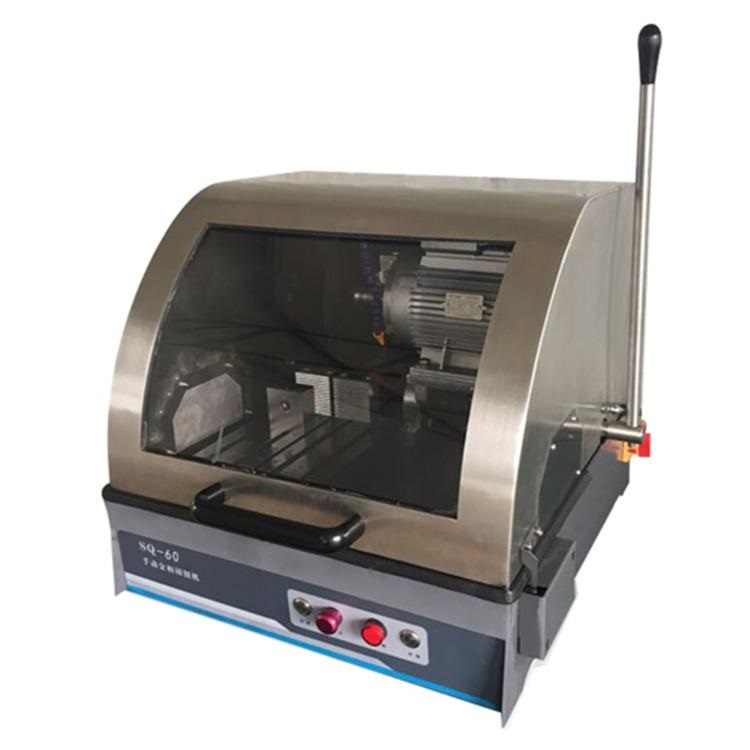
Why repair quality matters in cutting equipment
Cutting machines operate as a combination of motion components, control electronics, and application-specific tooling or heads. A fault in one area can appear as a problem somewhere else, such as poor edge quality caused by feed instability, positioning drift, or an intermittent control issue. For that reason, effective repair work is not only about replacing damaged parts, but also about checking how the full system behaves under real operating conditions.
In industrial environments, even small deviations can create waste, rework, or unplanned stops. A repair service that focuses on diagnosis, functional recovery, and performance verification is especially important for machines used in repetitive production or detail-sensitive cutting tasks.
Typical issues addressed by a cutting machine repair service
The service scope may include troubleshooting of mechanical, electrical, and control-related problems that affect machine operation. Common symptoms include inconsistent cutting paths, feed misalignment, reduced response, abnormal vibration, communication faults, sensor-related errors, and unstable startup or runtime behavior.
In many cases, machines do not fail all at once. Performance may gradually degrade through wear, contamination, cable fatigue, connector issues, or control drift. Early repair intervention can help prevent secondary damage and reduce the chance that a minor issue develops into a longer and more expensive shutdown.
For facilities operating several types of production equipment, it can also be useful to review related service categories such as shear machine repair support when the line includes multiple cutting processes.
Equipment context and example service focus
Some applications require attention to machine-specific cutting logic, motion control, and operator workflow rather than generic repair steps. One example in this category is the KINGCUT cutting plotter repair service, which is relevant for users working with plotter-based cutting systems where accurate tracking, feed control, and command execution are essential to output quality.
For businesses using KINGCUT equipment, repair needs may involve restoring stable cutting performance, resolving control issues, or addressing failures that interrupt design-to-output processes. The exact work required will depend on the machine condition and the fault pattern observed during inspection.
What to consider when selecting a repair service
A suitable repair approach should match the actual role of the machine in production. For some operations, rapid recovery is the priority because the equipment is a bottleneck in the process. In other cases, repeatable precision is more important than simple restart, especially when the machine is used for detailed shapes, batch consistency, or material-sensitive cutting.
It is helpful to evaluate repair support based on several practical points:
- Clarity of fault assessment and troubleshooting process
- Ability to address both mechanical and control-related faults
- Attention to positioning accuracy, feed behavior, and operating stability
- Suitability for the machine type and production environment
- Whether post-repair verification is included before return to service
These points matter because a machine that powers on is not necessarily ready for production. A proper repair outcome should support dependable operation under normal workload, not only a temporary recovery.
How cutting machine repair fits into a broader maintenance strategy
Repair work is often one part of a wider reliability plan. Facilities that manage several categories of machinery may need support across different assets depending on the production process. For example, sites with mixed fabrication equipment sometimes review hydraulic stamping machine repair services alongside cutting equipment maintenance to improve uptime across the line.
When recurring faults appear, repair findings can also help guide preventive actions such as inspection intervals, cleaning practices, cable checks, drive monitoring, or operator-side error tracking. This makes the repair process useful not only for immediate recovery, but also for improving long-term equipment stability.
When to arrange service
It is usually best to schedule repair support when the machine begins showing repeatable abnormal behavior rather than waiting for complete failure. Signs such as inconsistent cut quality, irregular movement, unexpected alarms, startup issues, or reduced throughput often indicate that service is needed before the problem spreads to other assemblies.
Businesses working with other production equipment may also compare adjacent service categories, including mechanical power presser repair, if maintenance planning is being organized at the plant level rather than by individual machine only.
Support for restoring reliable cutting performance
A well-targeted repair service helps bring cutting equipment back to usable, stable, and production-ready condition. For buyers and maintenance teams, the key is to focus on the nature of the fault, the machine’s role in the process, and the level of performance required after repair.
This category is designed to support that search with a clear focus on industrial cutting equipment repair needs. If your operation depends on accurate motion, consistent cutting results, and reduced downtime, choosing the right service path can make a meaningful difference in both recovery speed and ongoing equipment reliability.
Get exclusive volume discounts, bulk pricing updates, and new product alerts delivered directly to your inbox.
By subscribing, you agree to our Terms of Service and Privacy Policy.
Direct access to our certified experts