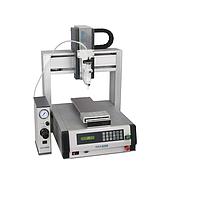
Glue Dispensing Machine Repair Service
Unexpected dispensing faults can interrupt PCB assembly, affect adhesive consistency, and slow down production planning. When a dispensing system starts showing unstable flow, timing errors, pressure irregularities, or motion issues, a focused Glue Dispensing Machine Repair Service helps restore stable operation and reduce unnecessary downtime in electronics manufacturing and SMT-related processes.
This service category is intended for businesses that rely on controlled adhesive application in assembly, bonding, sealing, or component fixing tasks. Whether the issue is mechanical, pneumatic, electronic, or control-related, repair work should be approached with an understanding of how dispensing equipment interacts with the wider production line.
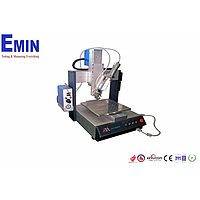
Why glue dispensing equipment needs specialized repair support
Dispensing machines work in a process environment where repeatability matters. Even small deviations in dispensing volume, line width, dot size, or response timing can lead to assembly defects, rework, or inconsistent product quality. For that reason, repair is not only about getting the machine to power on again, but also about recovering process stability.
In many workshops, these systems operate alongside soldering, assembly, and inspection equipment. A fault in one dispensing unit can create a bottleneck for downstream operations, especially where adhesive curing or component positioning depends on accurate application. Repair service is therefore closely tied to productivity, yield, and maintenance planning.
Common issues seen in dispensing machine repair
Glue dispensing machines can develop problems across several parts of the system. Typical concerns include poor adhesive output, irregular dispensing patterns, clogged flow paths, unstable pressure behavior, controller errors, worn moving parts, or failures in the drive and actuation system. In some cases, the machine may still run, but no longer dispense with the consistency required for production use.
Another common scenario is intermittent performance. The unit may function correctly during setup, then drift during longer runs due to wear, contamination, calibration loss, or unstable control response. A proper repair process should therefore consider both the visible fault and the underlying cause, rather than only addressing the symptom.
Repair scope in an SMT and electronics assembly environment
Within electronics production, dispensing equipment is often part of a broader equipment ecosystem. Adhesive application may support board assembly, component securing, sealing, or pre-process material handling. Because of this, repair work should take into account how the machine fits into existing operating routines, operator workflow, and maintenance schedules.
For facilities that also maintain related tools, it can be useful to review services for nearby process equipment such as soldering station repair or desoldering station repair. This can help maintenance teams manage service decisions more efficiently across interconnected assembly workstations.
QUICK repair support within this category
This category includes support related to QUICK equipment, including the QUICK Glue Dispensing Machine Repair Service. For users operating QUICK systems in production or service environments, model-specific familiarity can be valuable when diagnosing dispensing instability, control faults, or handling-related wear.
When discussing a repair requirement, it is often helpful to describe the operating condition in practical terms: whether the issue affects startup, continuous dispensing, positioning, output consistency, or operator control. That kind of information usually supports faster fault isolation than a simple “machine not working” report.
How to evaluate when repair is the right option
Not every machine issue has the same operational impact. Some faults create a complete stoppage, while others gradually reduce quality over time. A good evaluation usually starts with the production symptom: inconsistent adhesive application, increased rejects, missed cycles, unstable operation, or repeated operator intervention. From there, maintenance teams can determine whether the machine should be repaired immediately, scheduled for service, or reviewed together with other equipment on the same line.
It may also be worth comparing service needs across adjacent equipment groups. For example, facilities handling automated joining or assembly may also look into welding robot repair services when broader process continuity is a concern. This kind of maintenance view is especially useful in mixed production environments where multiple station types influence throughput.
What to prepare before requesting repair service
To make the repair process more efficient, it helps to collect a few basic details before sending equipment for service or requesting support. Useful information may include the machine brand, visible fault behavior, alarm condition if present, adhesive type in use, recent maintenance history, and whether the issue is constant or intermittent. Photos or videos of the fault can also improve communication during initial review.
Production teams should also note whether the problem appeared after cleaning, part replacement, setup changes, transport, or prolonged operation. These details can provide context for diagnosing faults related to contamination, wear, adjustment drift, or handling damage. In B2B environments, clearer fault descriptions often save time and reduce back-and-forth during the service intake stage.
Choosing a repair service that supports long-term operation
A useful repair outcome is not limited to restoring basic function. In industrial and electronics assembly settings, the more important objective is to bring the machine back to a condition that supports repeatable daily use. That means looking beyond immediate failure points and considering the stability of the dispensing process after repair.
If your operation depends on adhesive application accuracy, a structured repair service for glue dispensing equipment can help reduce disruption and support more reliable production. For businesses working with QUICK systems or similar SMT-related equipment, selecting the right service path can make maintenance planning more predictable and easier to align with real manufacturing demands.
Get exclusive volume discounts, bulk pricing updates, and new product alerts delivered directly to your inbox.
By subscribing, you agree to our Terms of Service and Privacy Policy.
Direct access to our certified experts