Grounding resistance measurement is an important part of evaluating a grounding system. A grounding arrangement provides a conductive path between an installation and the surrounding soil, so its condition can affect both equipment operation and electrical safety practices. Testing provides a recorded basis for assessing the system, identifying changes over time, and planning maintenance where needed.
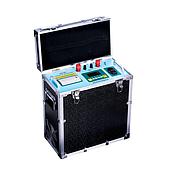
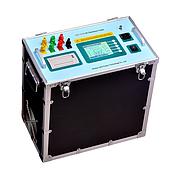
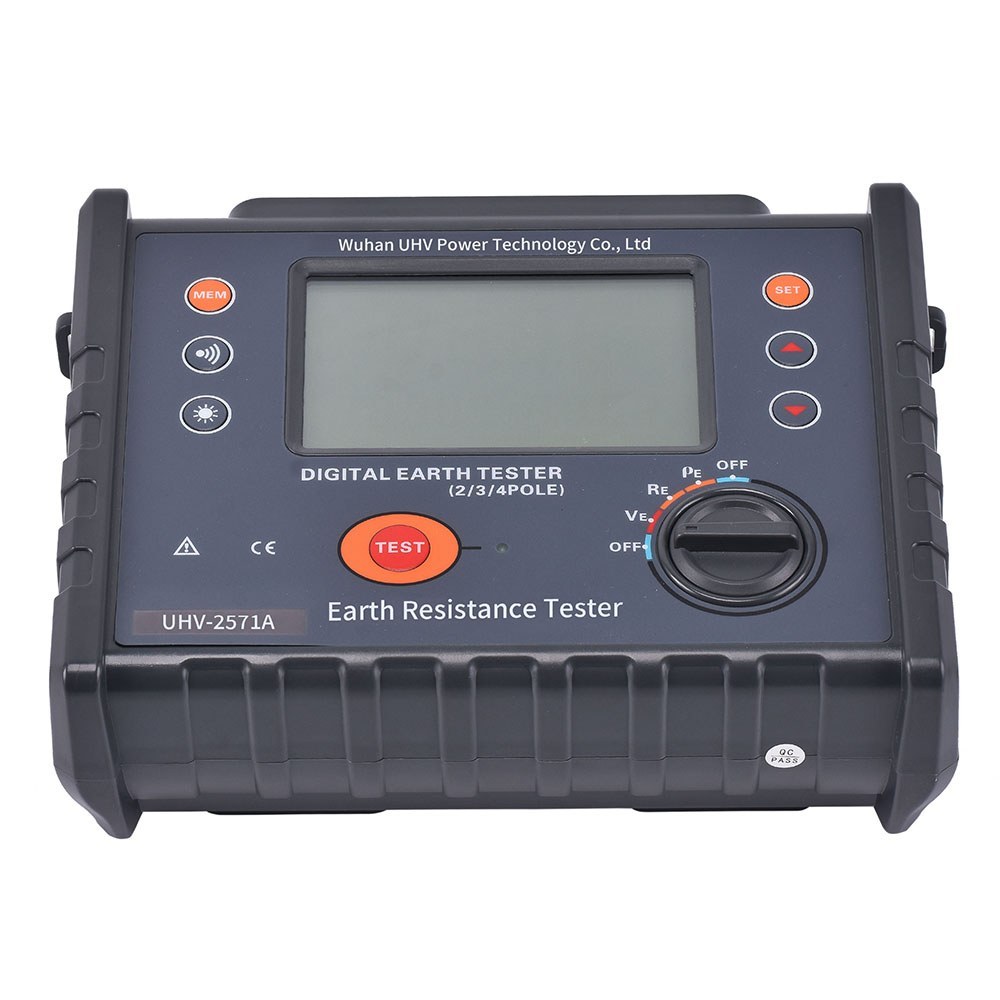
A programmable grounding resistance meter is designed to measure the resistance of a grounding device using defined test procedures. Compared with a manual approach, an instrument with automated test functions, clear readings, data recording, or multiple measurement modes can help make repeated work more consistent. The appropriate instrument and method should always be selected according to the grounding arrangement and site conditions.
What Does Grounding Resistance Measurement Evaluate?
Grounding resistance describes how the grounding device and surrounding soil conduct electrical current. It is not a fixed value. A single reading should therefore be interpreted in context, including the test method used, the condition of the installation, and the environment at the time of measurement.
Many grounding resistance meters use a current-voltage approach. The instrument applies a test current, measures the resulting voltage drop, and determines resistance in accordance with Ohm's law. Common field approaches mentioned for grounding work include three-point and four-point measurement methods. A double-clamp method may also be considered where it suits the grounding system and the measurement conditions.
Key Factors That Influence Test Results
Understanding the factors behind a reading is essential before drawing conclusions. The following conditions can influence grounding resistance measurement results.
Soil Resistivity
Soil resistivity is a major influence on grounding performance. Moisture content, salinity, temperature, and soil composition can all change how readily the soil conducts. In general, changes in soil moisture can change resistivity and, in turn, the measured grounding resistance. Dry and humid periods may therefore produce different readings at the same location.
Grounding Electrode Design
The size, shape, length, diameter, burial depth, and layout of the grounding body affect its contact with the soil. These physical characteristics influence the conductive path between the grounding device and the surrounding environment. When a grounding system is being designed or modified, its geometry and installation depth are relevant considerations.
Contact Condition Between Soil and Grounding Body
Conditions at the interface between the grounding body and soil also matter. Soil compaction around the grounding body and corrosion can affect contact resistance. A higher-than-expected result may be associated with high soil resistivity, poor contact, corrosion, or unsuitable measurement-point selection. Testing should be combined with an appropriate inspection of the installation where practical.
Seasonal and Local Conditions
Seasonal variation and climate can affect soil conditions. Comparing new readings with historical records is more useful when test conditions are documented consistently. Recording the method, measurement locations, and notable environmental conditions helps establish a clearer trend instead of relying only on an isolated result.
Choosing a Suitable Measurement Method
The test method should match the grounding system being assessed. Three-point and four-point methods are used to evaluate grounding resistance through defined electrode arrangements. The four-point method can be useful where the grounding system is large or complex, or where conditions call for reducing the influence of contact resistance in the measurement setup.
Before testing, review the system layout and identify a method that suits the site. Follow the operating instructions for the selected grounding resistance meter and applicable safety requirements. Consistent placement of test points and a repeatable procedure support meaningful comparison between measurement sessions.
Improving the Quality of a Testing Program
A reliable testing program is more than obtaining a number from an instrument. It combines suitable equipment, a suitable method, clear records, and periodic review.
- Select the method carefully: Consider the grounding arrangement, site complexity, and measurement objective before starting.
- Document each test: Record readings together with the test method and relevant site conditions for future comparison.
- Review grounding design when needed: Grounding body size, depth, and layout may be examined when improvements are being considered.
- Consider soil conditions: Soil characteristics and seasonal changes should be considered when interpreting results.
- Maintain a regular schedule: Periodic testing helps reveal developing changes in the grounding system.
For important electrical equipment or locations with specific requirements, the testing frequency may need to be higher. The appropriate schedule should be determined by the applicable requirements and the importance of the installation.
Frequently Asked Questions
Why can a grounding resistance reading increase?
A higher reading may be linked to soil conditions, corrosion, poor soil contact around the grounding body, or the selection of measurement points. Reviewing the test setup and site conditions helps place the reading in context.
Does humid weather affect readings?
It can. Increased soil moisture can reduce soil resistivity, which may lead to a lower grounding resistance reading. Results should be compared with awareness of changing weather and seasonal conditions.
Why keep historical test records?
Historical records make it easier to identify trends, compare results obtained under similar conditions, and investigate changes that may require attention. Instruments with data recording and analysis functions can support this process.
When is a programmable grounding resistance meter useful?
It is useful when a testing program benefits from automated procedures, intuitive readings, multiple measurement modes, or stored data. These functions can support consistent measurement work across routine inspections and complex sites.