Textile materials may encounter ozone alongside other environmental influences during storage, transport, and everyday use. Ozone exposure can contribute to changes in a material’s appearance or physical properties over time. For manufacturers, laboratories, and quality teams, evaluating this potential change is an important part of building a more complete view of textile durability.
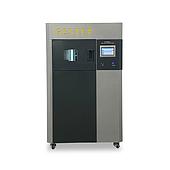
The GT-D01B ozone test machine is presented as colorfastness to ozone testing equipment for assessing textile resistance in a controlled ozone atmosphere. Rather than waiting for long-term natural exposure, an ozone ageing test chamber provides a defined test environment in which samples can be exposed and then examined. This approach supports repeatable evaluation during product development and routine quality control.
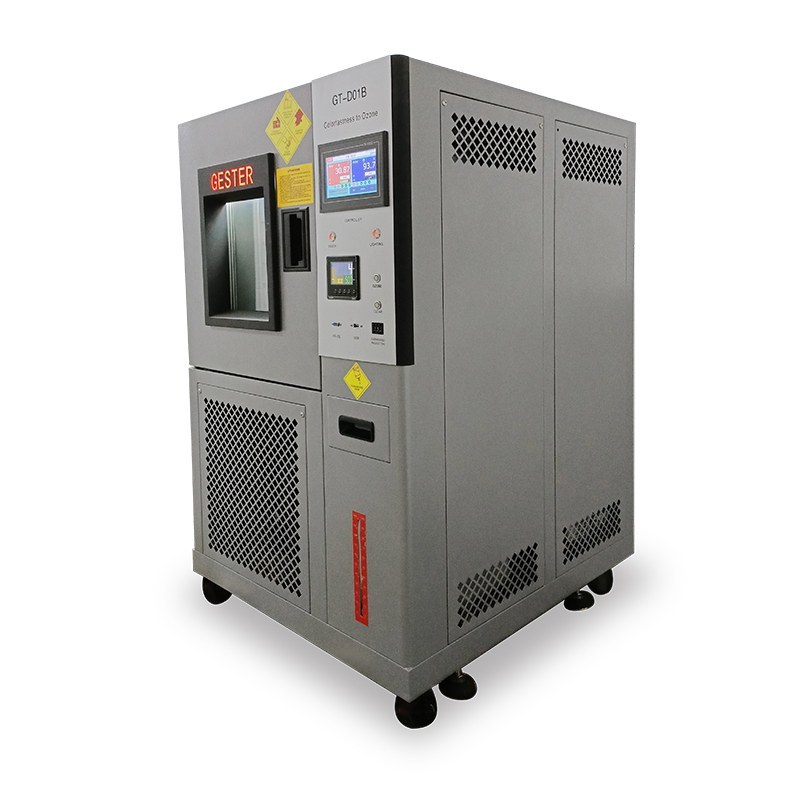
What Is an Ozone Ageing Test Chamber?
An ozone ageing test chamber is a specialized testing device used to expose material samples to ozone at a specified concentration for a defined period. Test conditions can include controlled temperature and humidity, allowing the laboratory to assess textiles under a managed atmospheric environment.
Following exposure, the sample can be inspected for relevant changes. Depending on the testing objective, this may include reviewing color change or considering whether the material shows signs of reduced performance. The results help teams compare materials, constructions, or product versions using the same testing approach.
Why Ozone Testing Matters for Textiles
Environmental durability is rarely determined by one factor alone. Temperature, humidity, ultraviolet radiation, and ozone can all be relevant considerations for textile products. Ozone testing specifically addresses how a textile responds when it is exposed to an ozone-containing atmosphere.
For quality control, this evaluation can help create a clearer basis for accepting incoming materials, checking production consistency, or investigating differences between samples. For development work, it can help inform material selection and product design decisions before a textile moves further through the production process.
Typical Uses of the GT-D01B Ozone Test Machine
Material comparison
Laboratories can expose different textile samples under equivalent controlled conditions and compare the observed outcomes. This can be useful when selecting among candidate materials or evaluating design alternatives.
Colorfastness evaluation
Colorfastness to ozone testing focuses on whether a textile’s color changes after ozone exposure. A structured chamber test gives the evaluator a controlled setting for conducting this type of assessment.
Production quality checks
During manufacturing, representative samples can be tested to support internal quality review. Repeating the same defined procedure helps teams assess whether tested materials continue to align with their intended quality requirements.
Durability assessment
Ozone exposure testing may also contribute to an overall durability assessment. Results from this test should be considered alongside other relevant material evaluations rather than viewed as the only measure of product life.
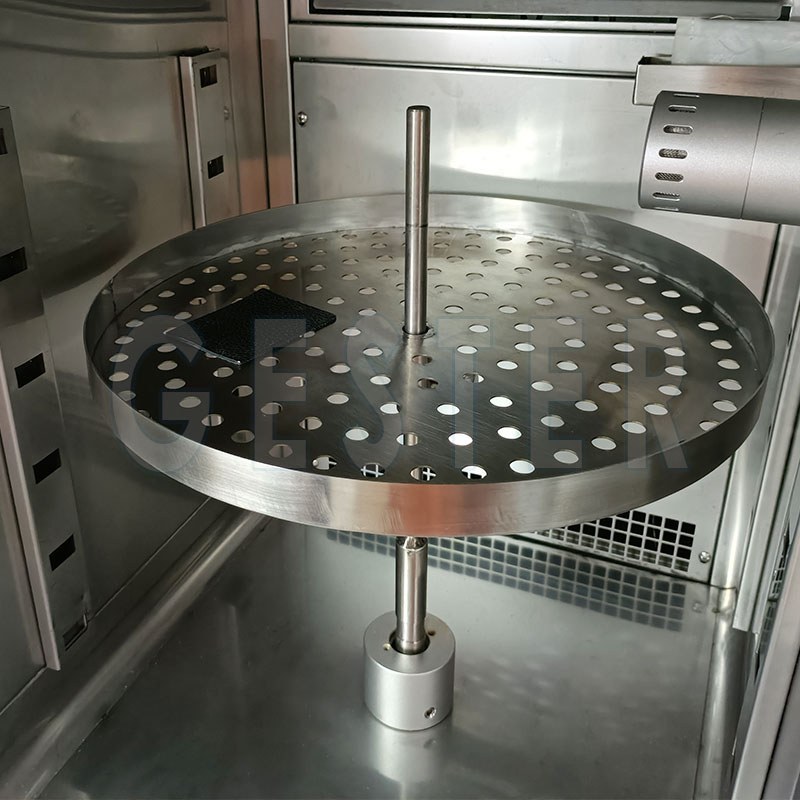
Controlled Conditions Support Meaningful Comparison
The value of an ozone test chamber lies in its ability to establish an organized exposure process. Controlling ozone concentration, exposure duration, temperature, and humidity helps reduce variation between comparable tests. This is particularly helpful when a laboratory needs to evaluate multiple samples using a consistent method.
The source information identifies GB/T 11041, ISO 105-G03, and AATCC 109 in connection with ozone colorfastness testing. The applicable method and acceptance criteria should be selected according to the laboratory’s own testing requirements and the product being evaluated.
Integrating Ozone Testing into Quality Control
A practical workflow begins with selecting representative samples and defining the intended evaluation criteria. Samples are placed in the chamber, exposed under the chosen conditions, and reviewed after the test period. Results can then be documented and compared with internal specifications or the selected test method.
When used as part of a broader inspection program, the GT-D01B ozone test machine can support more informed decisions about textile ozone resistance. It provides a controlled route for examining material behavior, helping quality teams turn environmental exposure concerns into a repeatable laboratory evaluation.