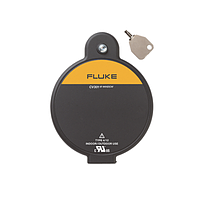
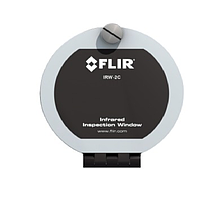
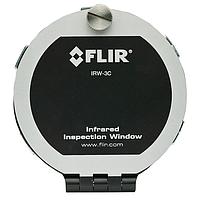
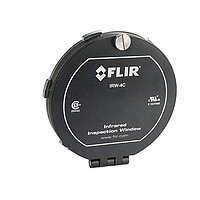
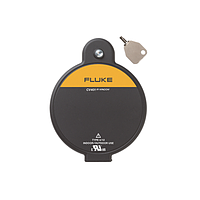
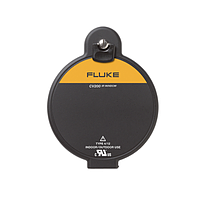
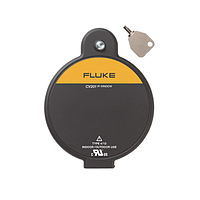
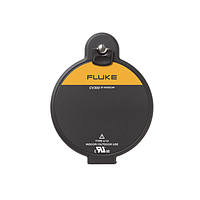
Infrared window
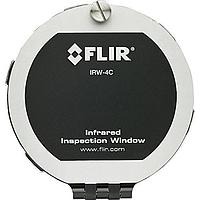
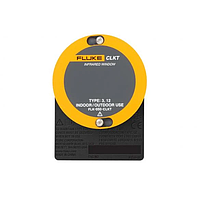
When thermographic inspection is part of routine maintenance, one challenge appears quickly: how to capture accurate thermal data from energized electrical equipment without opening panels and exposing personnel to unnecessary risk. That is where infrared windows become practical. They create a dedicated viewing point that supports non-contact thermal inspection while helping teams maintain safer inspection procedures in switchgear, motor control centers, and other enclosed assets.
For maintenance, reliability, and facility teams, this category is relevant whenever regular thermal imaging is needed on live equipment. Instead of removing covers each time an inspection is performed, an infrared window allows the thermal camera to view internal components through a purpose-built opening, improving inspection consistency and supporting predictive maintenance workflows.
Why infrared windows matter in electrical maintenance
Electrical systems often develop heat patterns before a failure becomes visible. Loose connections, overloaded circuits, imbalance, and component degradation can all appear as abnormal temperature differences. A thermal inspection program is useful only when access is practical, repeatable, and aligned with safety procedures.
An infrared inspection window helps address that need by providing a permanent access point for thermal imaging. In many industrial and commercial environments, this supports faster routine checks and reduces the need to disturb panel covers during inspections. It also helps standardize inspection routes because technicians can assess the same equipment under similar conditions over time.
Typical applications and installation environments
Infrared windows are commonly used on electrical panels, switchboards, switchgear lineups, motor control centers, and distribution equipment where internal heat signatures need to be observed from the outside. They are especially relevant in facilities with critical uptime requirements, such as manufacturing plants, utilities, process industries, data infrastructure, and large commercial buildings.
In these environments, the goal is not just to “see inside” an enclosure, but to create a more efficient path for condition monitoring. Facilities that already rely on industrial camera systems for monitoring may use infrared windows as part of a broader inspection strategy, especially where electrical diagnostics and preventive maintenance need to work alongside automation and asset management programs.
How infrared windows fit into a thermal imaging workflow
An infrared window is only one part of the inspection chain, but it plays an important role in data quality and repeatability. A technician still needs the right thermal imaging device, an inspection plan, and a clear understanding of the equipment being observed. The window acts as the interface between the camera and the enclosed asset.
In practice, users often pair these windows with thermal imaging solutions from manufacturers such as FLIR or FLUKE, depending on their maintenance standards and preferred diagnostic tools. The key point is that the window should support reliable thermal observation in the actual installation environment, including the required viewing position and inspection frequency.
Key selection factors before ordering
Choosing the right model depends on the enclosure, the inspection objective, and the site conditions. A suitable selection should consider the type of equipment being monitored, where the hot spots are likely to appear, and how technicians will approach the panel during inspections.
- Application location: indoor or outdoor installation, exposure conditions, and panel layout.
- Viewing requirement: whether the inspection needs a focused line of sight or a broader field of view across multiple components.
- Mechanical fit: compatibility with the enclosure door or panel construction.
- Inspection method: how the thermal camera will be positioned and how frequently inspections will be performed.
- Program consistency: whether the same assets will be trended over time as part of a predictive maintenance routine.
Where a wider thermal inspection ecosystem is being built, it is also useful to review related equipment such as cameras and camera modules or optical components like camera lenses if the maintenance team works across both visual and thermal imaging tasks.
Benefits for maintenance teams and reliability programs
The most immediate advantage of infrared windows is procedural efficiency. They can make routine thermal surveys easier to schedule and execute, especially in facilities with a large number of panels. By reducing the effort required to access inspection points, teams are more likely to perform checks at the intervals defined by their maintenance strategy.
There is also a reliability benefit. Consistent thermal inspection supports earlier detection of abnormal heating, which can help teams prioritize corrective action before faults lead to downtime. Over time, this improves the value of trend-based analysis because similar assets can be inspected in a more repeatable way.
Integration with broader inspection and safety practices
Infrared windows should be viewed as part of a structured maintenance process, not as a standalone solution. Good results still depend on proper installation, clear labeling, defined inspection routes, and trained personnel who understand both thermal imaging and the equipment under inspection.
They are particularly useful in organizations that combine thermography with visual inspection, electrical testing, and reliability-centered maintenance. In that context, the window supports a safer observation point while the thermal camera and the technician’s interpretation provide the diagnostic value. This makes infrared windows a practical addition to facilities where uptime, documentation, and inspection repeatability all matter.
Choosing the right category for your application
If your main objective is thermal access to energized enclosures, this category is the most direct place to start. If you are still defining the full inspection setup, it may also help to compare related camera hardware, mounting options, and accessories based on the way your team performs site surveys and diagnostic work.
Infrared windows are most valuable when they are selected with the inspection process in mind rather than treated as a generic panel accessory. By matching the window to the enclosure, the camera workflow, and the maintenance plan, you can build a more practical and consistent thermal inspection program for critical electrical assets.
Get exclusive volume discounts, bulk pricing updates, and new product alerts delivered directly to your inbox.
By subscribing, you agree to our Terms of Service and Privacy Policy.
Direct access to our certified experts