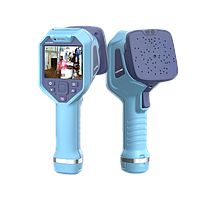
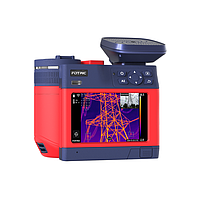
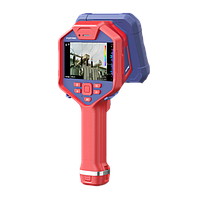
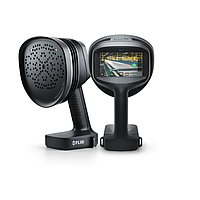
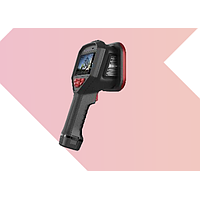
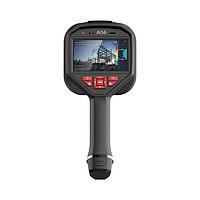
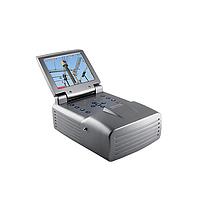
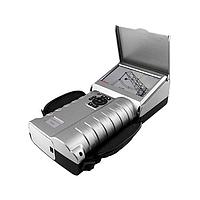
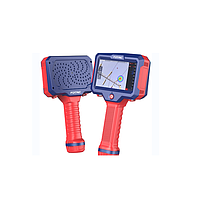
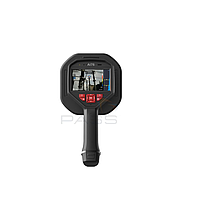
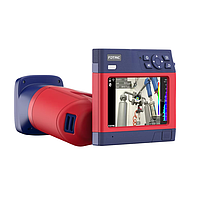
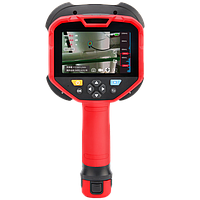
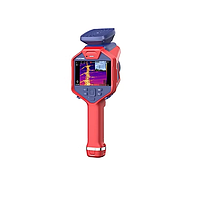
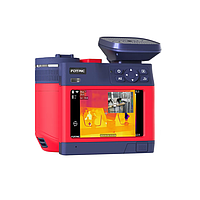
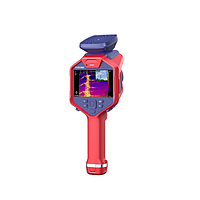
PD gas detector, partial discharge acoustic imaging
In electrical maintenance and asset inspection, seeing a problem before it becomes a failure can make a major difference in safety, uptime, and repair planning. That is where PD gas detector, partial discharge acoustic imaging solutions are especially valuable. These instruments help maintenance teams identify abnormal discharge activity and gas-related issues in substations, switchgear, power distribution assets, and other high-voltage environments without relying only on traditional point-by-point checks.
For B2B users, this category is relevant when the goal is faster fault screening, clearer visualization of developing insulation problems, and more efficient field diagnostics. It sits within a broader inspection ecosystem that may also include infrared windows, standard imaging devices, and other camera-based tools used for predictive maintenance.
Where these instruments fit in modern maintenance workflows
Partial discharge is often an early warning sign of insulation degradation, contamination, voids, or other electrical defects. Acoustic imaging tools are designed to locate the sound signatures associated with these events, helping technicians detect issues from a safer distance and with greater spatial awareness than methods that depend only on contact-based measurements.
Gas detection adds another layer of condition monitoring in environments where leaks or gas-related hazards must be identified quickly. In practice, organizations often use these technologies as part of a broader reliability program alongside thermal inspection, visual verification, and electrical testing. Brands such as FLIR, FLUKE, and MEGGER are commonly considered when buyers are comparing inspection platforms for industrial and utility applications.
Typical applications in power and industrial environments
This category is particularly relevant for users working with medium- and high-voltage assets, including switchgear rooms, substations, transformers, cable terminations, and other critical electrical infrastructure. In these settings, a developing partial discharge problem may not be visible during a routine visual inspection, but it can still create detectable acoustic or ultrasonic patterns that support early intervention.
Gas detection use cases may include inspection of sealed systems, leak localization, and condition checks in facilities where process continuity and operator safety are priorities. Depending on the inspection program, these tools may be used during commissioning, periodic maintenance, troubleshooting, or after an abnormal event has been reported.
Why acoustic imaging is useful for partial discharge detection
The key advantage of acoustic imaging is that it turns otherwise hard-to-interpret sound information into a visual map that is easier to understand in the field. Instead of depending only on a raw signal or a listening device, the operator can see where suspicious activity is concentrated and compare that location with the physical layout of the equipment.
This approach can improve inspection speed when surveying larger installations or multiple panels in a limited time window. It can also help teams prioritize follow-up work by separating likely problem areas from background noise. When combined with thermal tools or standard industrial camera systems, acoustic imaging becomes part of a more complete asset assessment process.
What to consider when selecting a solution
Choosing the right device depends on the inspection environment, the type of assets being evaluated, and the level of detail required by the maintenance team. Some buyers focus on routine screening and want a portable instrument for rapid surveys, while others need tools that support more structured diagnostics, reporting, and long-term condition monitoring workflows.
It is also worth considering how the instrument will fit into existing maintenance practices. Important factors may include ease of use in the field, visibility of results, suitability for indoor or outdoor inspections, and compatibility with other inspection methods. In many cases, companies compare acoustic imaging devices with related categories such as camera modules and imaging systems when building a broader inspection setup.
How this category connects with other inspection tools
PD and gas detection tools are rarely used in isolation in professional maintenance programs. A common workflow starts with a broad scan to identify suspicious assets, followed by additional verification using thermal imaging, visual inspection, or electrical test equipment. This layered approach helps reduce uncertainty and supports better maintenance decisions.
Optics and field setup can also matter depending on the site and viewing distance. In some cases, users evaluating their wider imaging toolkit may also review related options such as camera lenses or mounting and support components. The goal is not simply to collect more images, but to create a reliable inspection process that can be repeated across assets and over time.
Common buyer priorities in B2B procurement
For industrial buyers, procurement decisions are usually based on application fit rather than feature lists alone. Maintenance contractors may prioritize portability and rapid deployment, while utilities and large plants often look for devices that support standardized inspections across multiple sites. Safety considerations, operator training requirements, and data clarity also influence the final choice.
Manufacturer familiarity can be an important factor as well, especially for teams already using equipment from FLUKE, MEGGER, or FLIR in adjacent workflows. Even so, the most effective selection process is usually the one that starts from the actual inspection task: what type of discharge or gas issue needs to be found, in what environment, and by which users.
Supporting predictive maintenance with clearer diagnostics
As facilities move toward more condition-based maintenance, tools that help reveal hidden electrical and gas-related issues become more valuable. Acoustic imaging can make early-stage faults easier to localize, while gas detection supports faster response to leak-related concerns and operational anomalies. Together, they help maintenance teams move from reactive repair toward more informed planning.
For organizations evaluating this category, the main objective is practical: shorten inspection time, improve fault visibility, and support safer decision-making around critical assets. A well-chosen PD gas detector or partial discharge acoustic imaging solution can play an important role in that workflow, especially when integrated with the wider camera and inspection ecosystem used across industrial and utility operations.
Get exclusive volume discounts, bulk pricing updates, and new product alerts delivered directly to your inbox.
By subscribing, you agree to our Terms of Service and Privacy Policy.
Direct access to our certified experts