Smoke Detectors
Early fire detection depends on choosing sensing technology that matches the environment, power design, and alarm architecture of the system. In industrial equipment, building safety products, and embedded electronics, Smoke Detectors can refer to both complete detector devices and the IC-level building blocks used to develop detection and alarm solutions.
This category brings together photoelectric and ionization-based options for different design approaches. It includes finished detector hardware such as the AMSECO 1430036 conventional photoelectric smoke detector, as well as smoke detector ICs from manufacturers such as Microchip Technology and Allegro MicroSystems for integration into broader alarm or sensing systems.
Where this category fits in practical system design
Smoke detection is used across commercial safety systems, residential alarm products, control panels, and embedded monitoring designs that require an early warning signal when airborne combustion particles are present. Depending on the application, buyers may be looking for a ready-to-install detector head or for an ASIC that supports a custom smoke alarm design.
That distinction matters during sourcing. A complete device simplifies deployment in conventional alarm systems, while detector ICs provide more flexibility for OEM development, especially when low power consumption, interconnect behavior, timer modes, or alarm memory functions are part of the design requirement.
Photoelectric and ionization sensing options
Two sensing approaches appear in this category: photoelectric detection and ionization detection. Photoelectric designs are commonly selected when the system is intended to detect smoke through light scattering principles, while ionization designs are used in products built around ionization chamber circuitry and related analog front-end functions.
Examples of photoelectric options in this range include the AMSECO 1430036 detector and several Microchip Technology ICs such as RE46C140SW16F, RE46C143S16F, RE46C144S16F, RE46C166S16F, RE46C190S16F, RE46C194S16, and RE46C194S16T. Ionization-oriented examples include Microchip Technology RE46C112E8F and RE46C129E16F, along with Allegro MicroSystems parts such as A5348CA-T and A5367CA-T.
Complete detectors versus smoke detector ICs
One useful way to navigate this category is to separate finished smoke detectors from semiconductor devices intended for product development. The AMSECO 1430036 is a conventional photoelectric smoke detector with a magnetic test feature, making it relevant for users who need an installable field device rather than a component for board-level design.
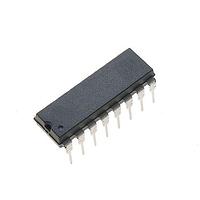
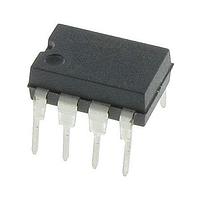
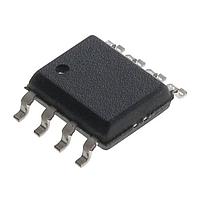
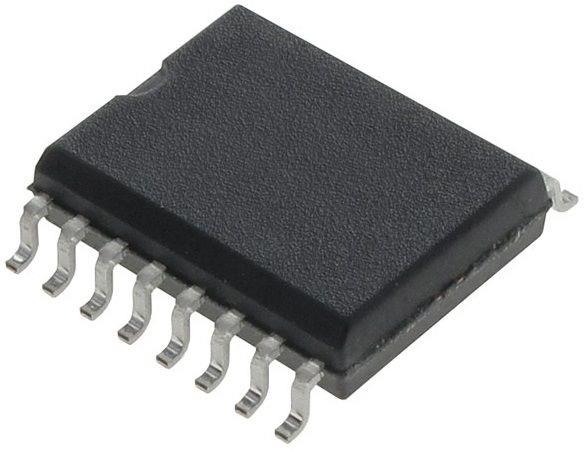
By contrast, many of the Microchip Technology and Allegro MicroSystems items listed here are smoke detector ICs or ASICs. These parts are typically used by OEMs, design engineers, and safety equipment manufacturers building detector electronics, alarm signaling logic, or interconnected smoke alarm platforms. If your project is at PCB level, these ICs are generally the more relevant path than a standalone detector housing.
What to evaluate before selecting a part
Selection should start with the intended sensing method, then move to electrical and integration requirements. Power rail compatibility is important because this category includes low-voltage 3 V devices as well as parts intended for higher operating voltages such as 9 V or 12 V designs. Mounting style also varies, with both SMD/SMT and through-hole options present.
It is also worth checking how the output and alarm behavior fit the final system. Some devices in this category reference temporal tone behavior, while others support continuous tone or analog output. Features such as interconnect, timer mode, hush-related functions, or alarm memory can affect not only the detector electronics but also how multiple alarms behave together in a completed safety product.
Environmental limits should be reviewed as part of qualification. The available parts span different operating temperature ranges, so the final choice should reflect the enclosure, installation conditions, and compliance requirements of the end product rather than relying only on sensing type.
Representative products in this category
For buyers seeking a conventional field device, the AMSECO 1430036 offers a straightforward example of a photoelectric smoke detector. For embedded development, Microchip Technology provides a broad range of photoelectric detector ASICs, including RE46C140SW16F for timer-based designs and RE46C166S16F for applications where alarm memory may be relevant.
Low-voltage design work may lead engineers toward parts such as RE46C190S16F, RE46C194S16, or RE46C194S16T, which align with 3 V smoke detection architectures. On the ionization side, RE46C112E8F and RE46C129E16F illustrate options for analog front-end or interconnect-based ionization designs, while Allegro MicroSystems A5348CA-T and A5367CA-T provide additional choices for ionization smoke detector circuitry.
How smoke detection relates to other sensing categories
Although smoke detection serves a very specific safety purpose, it often sits within a wider sensing ecosystem in industrial and commercial equipment. Projects that monitor environmental conditions may also use air quality sensors when the goal is broader particulate or air-condition tracking rather than dedicated fire alarm detection.
In integrated machine or building systems, smoke sensing may also appear alongside other sensor types used for process visibility and equipment feedback. Depending on the application, related categories such as flow sensors & pitot tubes or ambient light sensors can be relevant in the overall control architecture, even though their operating principles and use cases are different.
Who typically buys from this category
This category is relevant to several buyer profiles. Maintenance teams and fire system integrators may look for complete replacement detectors for conventional systems. OEM buyers and electronics engineers are more likely to focus on ASICs and detector ICs for smoke alarm product development, evaluation, or lifecycle sourcing.
Procurement teams should also pay attention to packaging style, assembly method, and long-term product fit. A detector IC chosen for a new design should match the intended sensing topology, board technology, and alarm behavior from the start, helping reduce redesign risk later in the development cycle.
Choosing the right smoke detection option
The best starting point is to define whether you need a deployable detector or a component for a custom design. From there, compare sensing method, supply voltage range, mounting style, output behavior, and any required system-level functions such as interconnect or timer support.
With a mix of complete devices and semiconductor solutions from established manufacturers, this Smoke Detectors category supports both replacement needs and new product development. A clear understanding of the application environment and system architecture will make it easier to narrow the range and select a part that fits the intended safety design.
Get exclusive volume discounts, bulk pricing updates, and new product alerts delivered directly to your inbox.
By subscribing, you agree to our Terms of Service and Privacy Policy.
Direct access to our certified experts