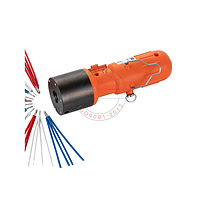
Wire Twist & Untwist Machine
Consistent twisting and controlled untwisting are critical steps in many wire and cable assembly processes. When operators need stable pitch, repeatable cycle time, and cleaner preparation for downstream termination, a Wire Twist & Untwist Machine helps reduce manual variation and improve workflow across harness production, networking cable preparation, and general cable processing.
This category covers equipment for twisting wire pairs, handling stranded conductors, preparing braided shielding, and untwisting twisted-pair cable sections before further assembly. Depending on the task, users may choose a compact handheld tool for short repetitive work, a benchtop unit for flexible shop-floor use, or a programmable machine for higher-volume production with tighter process control.
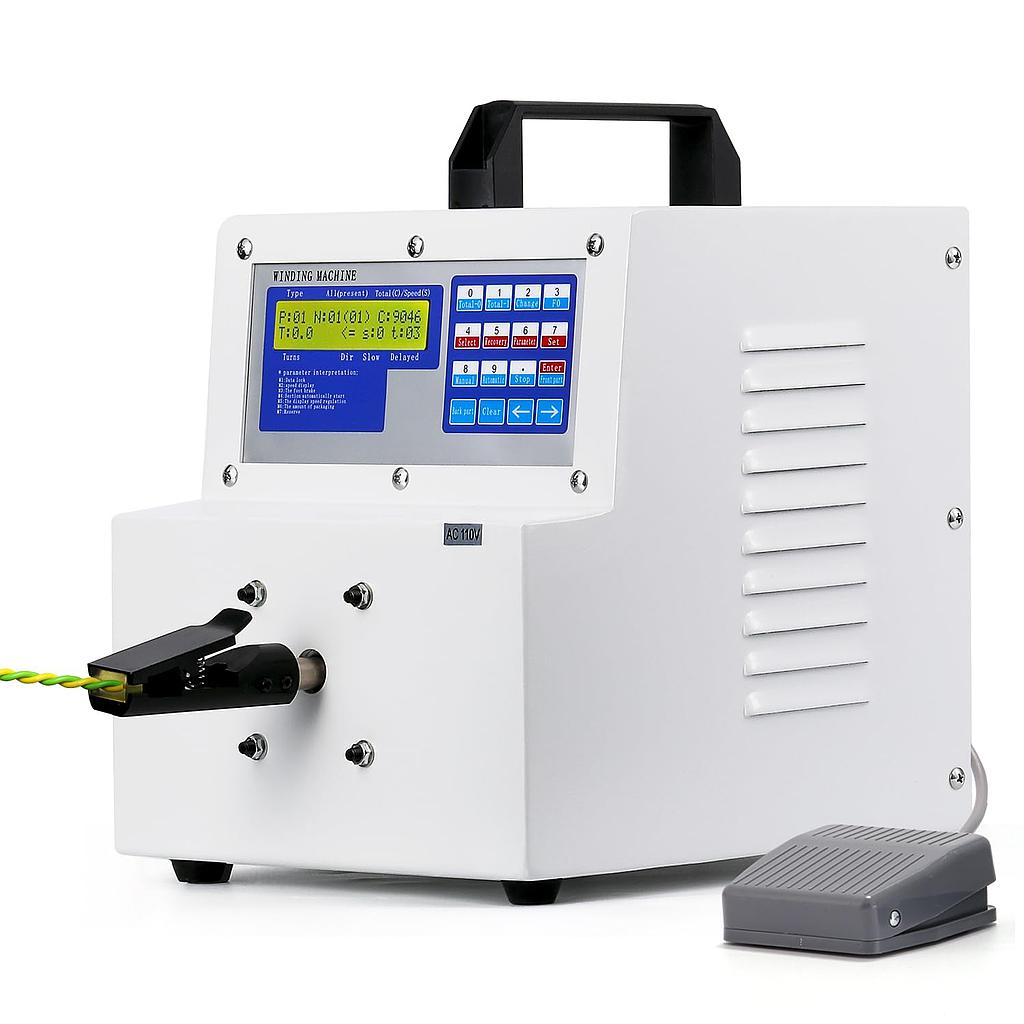
Where wire twist and untwist machines fit in cable processing
Twisting is commonly used to join conductors into pairs or controlled bundles, while untwisting is needed when cable ends must be opened, separated, or straightened before connector assembly. In practical production environments, these operations often sit between cutting, stripping, and termination stages, so machine selection should consider the full process rather than the twisting step alone.
For example, cable preparation may start with a wire and cable cutting machine, then move to stripping, twisting, untwisting, or crimping based on the final assembly requirement. Looking at the equipment as part of a connected production flow helps avoid mismatches in cycle time and handling capacity.
Typical machine types in this category
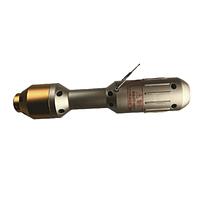
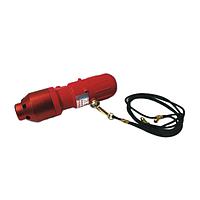
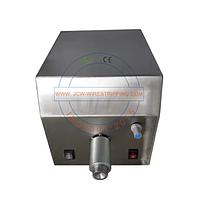
This category includes both manual-assist tools and more automated systems. Handheld models are useful for short twisting lengths and repetitive bench work, especially where portability matters. Examples include the JCW JCW-323 Versatile Handheld Wire Twisting Tool and the JCW JCW-323R Handheld Wire Twisting Tool, both suited to compact, operator-controlled tasks.
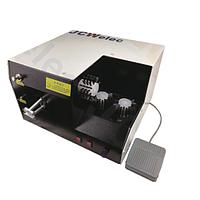
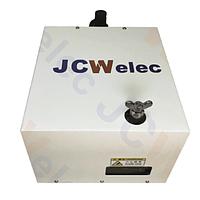
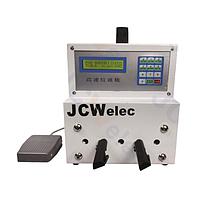
Benchtop and programmable machines are better suited to higher throughput or applications that need adjustable speed, stored programs, or multi-section processing. Models such as the JCW JCW-323B Benchtop Wire Twist Machine, JCW JCW-325A Electric Wire Twisting Machine, and Sedeke ET-12 Wire Twisting Machine illustrate the move from basic twisting into more controlled production-oriented operation.
Applications covered by twisting and untwisting equipment
Wire twisting machines are used in harness assembly, lead preparation, paired-wire production, and cable finishing where conductors must be twisted to a defined length or cycle. Some machines also support braided shielding work or two-way rotation, which can be relevant in more specialized cable constructions.
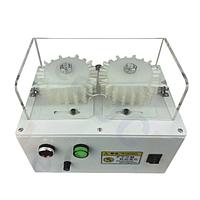
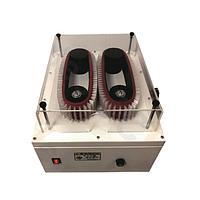
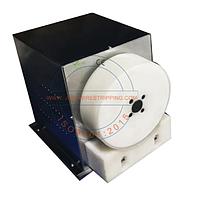
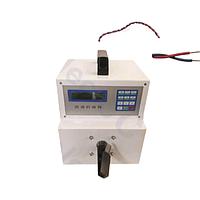
Untwisting equipment serves a different but equally important role. Machines such as the JCW JCW-322E Twisted Pair Cable Untwist Machine and the JCW JCW-322C RJ45 Cat5E/6 Twisted-pair Cable Untwist and Straighten Machine are designed for cable-end preparation where networking or communication cable pairs must be opened and aligned before connector termination. In shielded cable work, the JCW JCW-322D Cable Braid Shielding Brushing & Twisting Machine supports handling of braided metal shielding and related finishing operations.
How to choose the right machine
The first selection factor is the wire size and cable structure. Some tools are intended for small conductor cross-sections and short twist lengths, while others are built for larger wire ranges, longer guided twisting paths, or paired-wire processing. If your products vary often, adjustable speed and broader wire compatibility may be more important than maximum output alone.
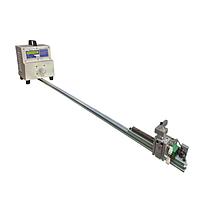
The second factor is process control. For low-mix, repetitive work, a simple handheld or benchtop machine may be enough. For production lines handling multiple SKUs, programmable models with stored recipes and segmented operation can make changeovers more efficient. The JCW JCW-325B High-speed Two Grippers Wire Twister and JCW JCW-325D Guide Rail Wires Twisting Machine are examples of equipment aimed at more controlled and repeatable twisting tasks.
It is also important to consider actuation method and installation conditions. Some machines are fully electric, while others use electro-pneumatic operation and require air supply. That difference affects layout, maintenance planning, and utility availability on the shop floor.
Comparing handheld, benchtop, and programmable systems
Handheld tools are often the most practical option when operators need mobility, fast repetitive twisting, and minimal setup. They can be a good fit for repair benches, small-batch assembly, or stations where short conductors are processed one at a time. Models like the JCW JCW-323S Wire Twist Tool are suitable when compact form factor is a priority.
Benchtop machines provide a better balance of stability and productivity. They are typically easier to position consistently and can support more standardized processing than handheld tools. When output volume increases further, programmable systems with adjustable RPM, cycle settings, and recipe storage become more useful for reducing operator dependency and maintaining uniform results across batches.
Related equipment for a complete cable assembly workflow
Twisting and untwisting rarely happen in isolation. In many cable shops, these machines work alongside wire stripping machines and wire crimping machines to complete conductor preparation and termination. If the process also includes harness finishing, a tape wrapping machine may be relevant for insulation support and bundle organization.
Thinking in terms of upstream and downstream operations helps buyers select equipment that fits actual production requirements. A machine with suitable twist speed but poor compatibility with cutting, stripping, or crimping stages can create bottlenecks, even if it performs well as a standalone unit.
Featured manufacturers and example solutions
JCW is strongly represented in this category, with options ranging from handheld twisting tools to benchtop units, guide rail machines, high-speed twisters, untwist machines, and shielding-related equipment. That breadth is useful for buyers who need to compare different machine styles within one brand ecosystem.
Sedeke also appears in this category through the Sedeke ET-12 Wire Twisting Machine, which is relevant for users looking for adjustable-speed twisting with program-oriented operation. Rather than choosing by brand name alone, it is usually more effective to compare machine type, wire capacity, twist length, speed range, and whether the application requires twisting, untwisting, or both.
Practical buying considerations for B2B users
Before ordering, it is worth clarifying a few process details: conductor size range, required twist or untwist length, expected daily throughput, power availability, and whether compressed air is available. Buyers should also check how often product changeovers happen, since recipe storage and adjustable settings can matter more in mixed production than in a fixed, repetitive job.
For engineering, maintenance, and procurement teams, the best choice is usually the one that matches the actual cable type and workflow with the least unnecessary complexity. A compact handheld machine may be ideal for short-run assembly, while a programmable or guide-rail model may be more appropriate where repeatability, longer working length, or higher output is required.
Conclusion
Choosing the right wire twisting or untwisting equipment starts with understanding the cable structure, production volume, and the next step in the assembly process. This category brings together tools and machines for paired-wire twisting, stranded conductor handling, twisted-pair opening, and braided shielding preparation, making it easier to match equipment to real production needs.
If you are comparing options, focus on operating method, wire range, speed control, and how the machine will integrate with the rest of your cable processing line. A well-matched solution can improve consistency, reduce manual handling, and support a smoother assembly workflow from preparation to termination.
Get exclusive volume discounts, bulk pricing updates, and new product alerts delivered directly to your inbox.
By subscribing, you agree to our Terms of Service and Privacy Policy.
Direct access to our certified experts