Laboratory equipment
Reliable results in research, quality control, and routine testing depend on using the right instruments for the job. This Laboratory equipment category brings together a broad range of systems used for sample preparation, thermal control, measurement, documentation, and analytical workflows across industrial, academic, pharmaceutical, and life science environments.
Instead of treating lab tools as isolated items, it is often more useful to view them as part of a complete workflow. A lab may need temperature control for sample conditioning, imaging equipment for gel analysis, and viscosity measurement for product development or process validation. This page is designed to help buyers and engineers navigate those needs with clearer context and practical selection criteria.
Equipment that supports everyday laboratory workflows
Laboratory operations typically combine several functions: heating or cooling, mixing or preparation, measurement, observation, and data recording. In many facilities, the required setup depends on whether the lab is focused on materials testing, chemical analysis, biology, formulation work, or quality assurance.
Within this category, buyers may encounter instruments used for thermal regulation, sample handling, and analytical evaluation. For example, viscosity testing often works closely with temperature management, while electrophoresis imaging depends on controlled illumination and safe sample observation. If your process centers on rheology or fluid behavior, the dedicated viscosity meter range may also be useful for narrowing specifications faster.
Representative instrument types in this category
Several highlighted products illustrate the breadth of laboratory applications covered here. For imaging and molecular biology workflows, the Corning GD-1000 Gel documentation system with software represents the type of equipment used to capture gel images with controlled illumination and built-in safety considerations around UV exposure.
For fluid characterization and formulation control, rotational viscometers are a key part of many laboratory setups. The Anton Paar ViscoQC series shown in this category covers different viscosity ranges, from lower-viscosity samples to much heavier materials, making them relevant in coatings, chemicals, food, cosmetics, and related industries.
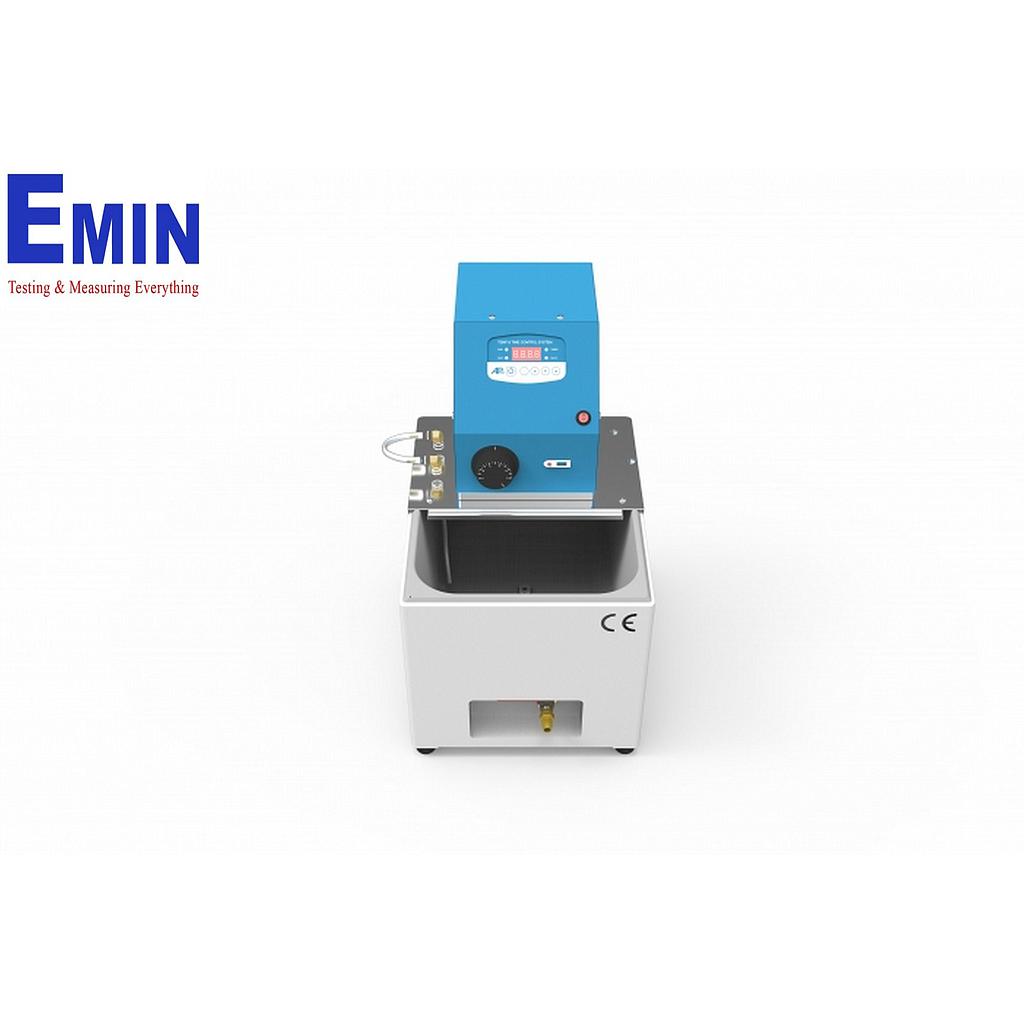
Temperature control is another essential area. BROOKFIELD temperature control baths in this category demonstrate how labs can stabilize samples, support method repeatability, or pair thermal control with other measurement equipment. In applications where heat transfer and sample conditioning matter, users may also want to review the heating and water bath options available elsewhere in the laboratory range.
How to choose laboratory equipment more effectively
A good starting point is the application requirement. Ask whether the equipment will be used for research, incoming inspection, batch release, product development, or routine QC. The answer influences the level of automation, interface complexity, throughput, and documentation features you may need.
The second factor is the sample and operating range. In viscosity testing, for example, low-viscosity liquids and highly viscous materials can require different instrument configurations. In imaging applications, illumination type, viewing area, and safety mechanisms matter more than generic product descriptions. Matching the equipment to the actual sample matrix is usually more important than choosing by price or brand alone.
It is also important to consider integration with the broader lab environment. Some instruments are used as standalone units, while others benefit from compatible accessories, software control, or companion equipment such as baths, pumps, or documentation systems. This is particularly relevant when building a repeatable workflow rather than purchasing a single replacement unit.
Examples of selection logic for common lab tasks
For viscosity measurement, the choice often comes down to expected viscosity range, whether you need single-point or multi-point testing, and how tightly temperature must be controlled during the measurement. The Anton Paar ViscoQC 300 L, 300 R, and 300 H models illustrate how different ranges can be addressed within one instrument family, while the ViscoQC 100 versions suit users who need a simpler single-point approach.
For temperature control, buyers usually compare cooling or heating range, stability, reservoir size, and pumping capability. Products such as the Brookfield TC-150AP, TC-250AP, TC-550AP, TC-550SD, and TC-650SD show why this matters: different lab setups may prioritize compact footprint, refrigerated operation, or a wider upper temperature limit depending on the method.
For gel imaging and documentation, selection should focus on illumination type, field of view, filter arrangement, image capture quality, and operator safety. The Corning GD-1000 is a useful example of how these systems support documentation tasks in electrophoresis workflows rather than acting as a generic camera device.
Why manufacturer ecosystems matter in B2B purchasing
In technical procurement, the manufacturer matters not just for the product itself, but for platform consistency, accessories, user familiarity, and long-term support. Well-established laboratory brands often provide more predictable operating logic across product families, which can simplify training and reduce setup time in multi-instrument environments.
Brands featured in this category include Anton Paar, BROOKFIELD, and Corning, with additional laboratory-focused manufacturers such as Agilent, Analytik Jena, Buchi, and Buehler also represented in the wider catalog. When buyers standardize on a known supplier for specific workflows, it can become easier to align methods, documentation practices, and maintenance planning across departments.
Use cases across research, production, and quality control
This category is relevant for laboratories serving different sectors. In R&D environments, the focus is often flexibility: testing multiple sample types, changing methods, and comparing formulations. In production support and QC labs, repeatability, operating speed, and straightforward user interaction usually become more important.
Life science labs may prioritize imaging systems and electrophoresis-related tools. Chemical and materials labs may focus more on thermal equipment, viscometers, and sample preparation systems. Pharmaceutical and regulated settings often look for equipment that supports consistent operation and clear documentation. If your workflow includes nucleic acid or gel-based analysis, related electrophoresis systems can help complete the setup.
Building a practical laboratory equipment shortlist
When comparing options in a broad category like this, it helps to create a shortlist based on a few non-negotiable criteria: sample type, measurement or control range, required throughput, available bench space, and whether the instrument will operate alone or as part of a larger method. This approach prevents overbuying while still protecting future usability.
It is also worth checking whether your application may eventually expand into adjacent tasks such as filtration, evaporation, controlled heating, or refrigerated storage. Many purchasing teams begin with one urgent requirement and then discover that the best value comes from planning around the full laboratory process rather than a single instrument line.
Find the right fit for your laboratory workflow
Choosing laboratory equipment is ultimately about method suitability, operational consistency, and how well the instrument fits into the real working conditions of your lab. From gel documentation and thermal control to rotational viscosity measurement, this category brings together tools that support both specialized analysis and everyday routine testing.
Use the available product information to compare operating range, control features, and intended application, then narrow your options based on the workflow you need to support. A well-matched instrument will do more than complete a task; it will help improve repeatability, usability, and confidence in laboratory results over time.
Get exclusive volume discounts, bulk pricing updates, and new product alerts delivered directly to your inbox.
By subscribing, you agree to our Terms of Service and Privacy Policy.
Direct access to our certified experts